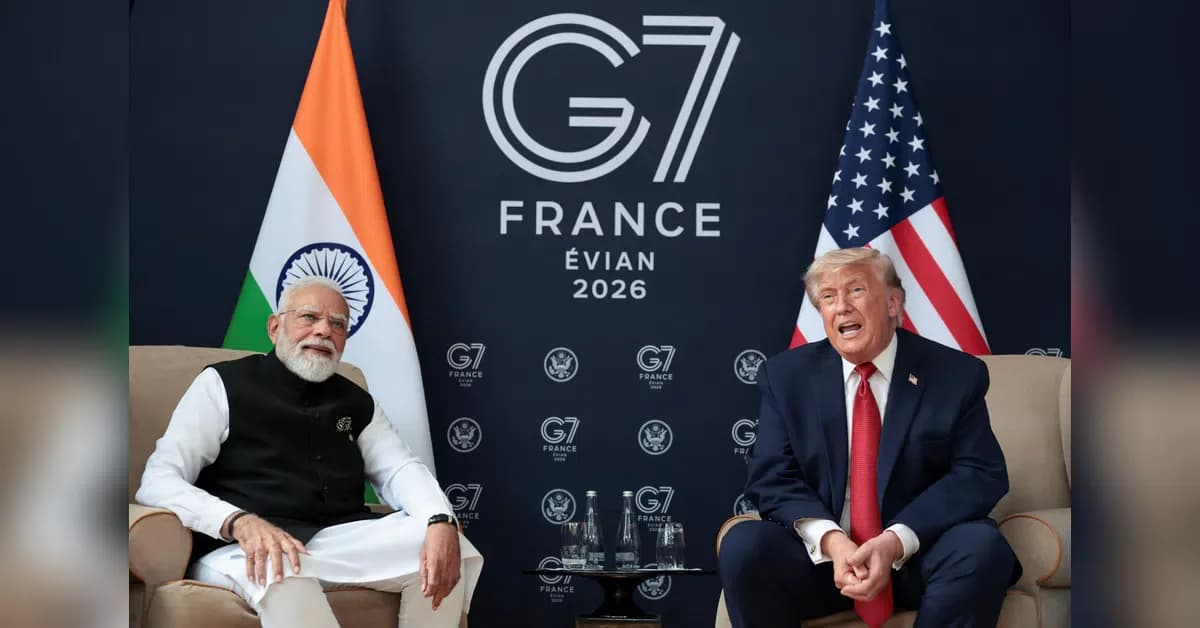
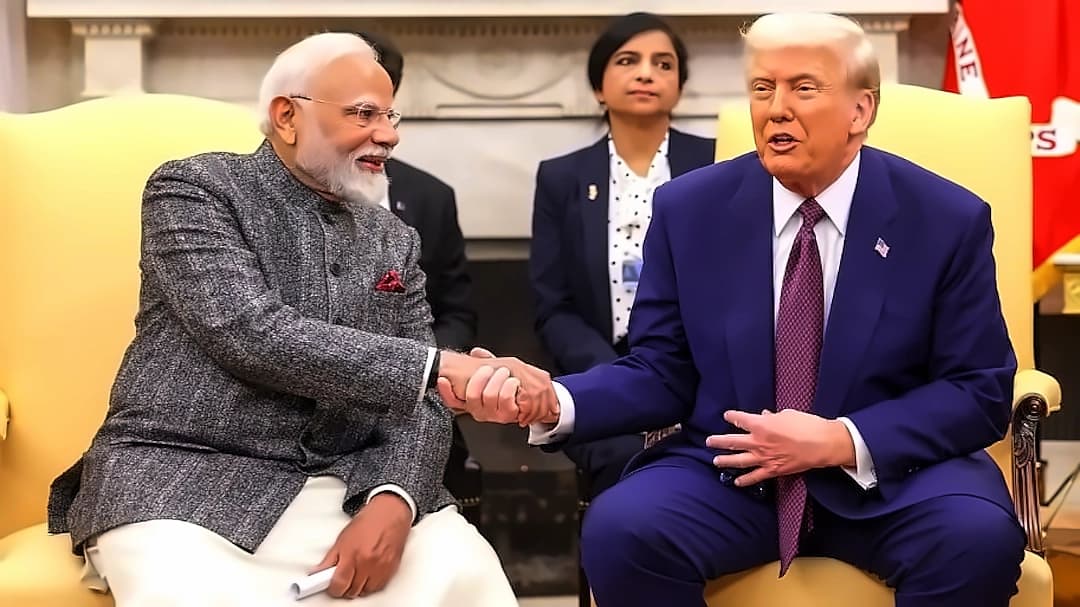
The United States and India are significantly expanding their defence and civil nuclear cooperation under the Trump administration, according to US Assistant Secretary of State S Paul Kapur. Speaking at a roundtable on India at the Hoover Institution, Kapur highlighted that this enhanced engagement is creating jobs at home and strengthening supply chains that are critical to both the United States and the region. The senior US official emphasized the focus on trusted AI and other emerging technologies powering the economy as key areas of collaboration between the two nations. As per X, Kapur made these remarks at a roundtable that saw participation of former Secretary of State Condoleezza Rice and former US Ambassador to India David C Mulford. The US official noted that under this (Trump) Administration, US engagement with India is creating jobs at home and strengthening supply chains that are critical to both the United States and the region.
The expansion builds on the major defence partnership framework signed last year between India and the US to strengthen interoperability across all domains including land, sea, air, space, and cyberspace. Since 2002, India has procured a wide range of US defence platforms, including Apache and Chinook helicopters, C-17 Globemaster III and C-130J Super Hercules transport aircraft, P-8I maritime patrol aircraft and M777 ultra-light howitzers. This established foundation provides the basis for the current enhanced cooperation initiatives, as reported by X.
American nuclear power companies are actively exploring opportunities in India's civil nuclear sector, with a delegation of top nuclear sector executives visiting India earlier this year to explore collaboration with the private sector. This increased interest comes in the wake of New Delhi's decision to ease civil nuclear liability norms through the enactment of the SHANTI law, which has created a more favorable regulatory environment for nuclear energy projects. The civil nuclear cooperation represents a significant component of the broader bilateral energy partnership between the two nations, as confirmed by X.
The renewed focus on defence, nuclear energy and advanced technologies reflects the broader effort by both countries to strengthen economic resilience, secure critical supply chains and expand cooperation in high-tech sectors. As per X, Kapur emphasized that the United States is expanding cooperation with India in defence, civil nuclear energy and emerging technologies, including trusted artificial intelligence. This strategic pivot toward trusted AI and other emerging technologies powering the economy underscores the growing technological partnership between the two nations, building upon the established defence and nuclear cooperation frameworks.
Despite the expanded cooperation, recent trade tensions have emerged as US President Donald Trump imposed a 10 per cent tariff on imports from India and 16 other nations as part of a global crackdown on goods produced using forced labour. India was initially bracketed among countries to face a higher 12.5 per cent levy, but Washington reduced the rate to 10 per cent after taking note of New Delhi's recent amendment to its Foreign Trade Policy, which explicitly banned the import of products made through forced or compulsory labour. The US remains India's largest export destination and second-largest overall trading partner, with bilateral goods trade hitting roughly USD 141 billion in 2025, where Indian exports made up USD 87.3 billion of that figure, as reported by X.