Scotch whisky prices in India have reportedly dropped by around 10-15% following the India-UK trade deal that cut tariffs on British whisky. According to reports from The Times of India, Johnnie Walker Black Label is now priced at roughly ₹3,800, compared with ₹4,250 previously, while J&B is retailing at around ₹1,700, down from about ₹2,300. The price cuts mark the first major consumer-level response from India's two largest Scotch producers since the trade pact came into effect on July 15. The reductions have been implemented across key markets including Rajasthan, Maharashtra, Goa and Uttar Pradesh, with similar price reductions expected in other states. Pernod Ricard has also applied to the government for price cuts for brands including Chivas, Ballantine's and The Glenlivet, as reported by industry executives.
Under the India-UK trade agreement, the import duty on British whisky has been reduced to 75% from 150%, effectively bringing the tariff rate down by half. As reported by The Times of India, the duty is scheduled to fall further to 40% over the next decade. However, the reduction in import duty does not result in a similar drop in retail prices, as the final price also includes state-level excise duties, taxes, distribution expenses and retailer margins. Diageo had previously projected that prices of its bottled-in-origin Scotch range could decline by around 7-9% on a nationally weighted average. Companies had to submit price-reduction proposals to state excise authorities, along with proof that the whiskies originated in the UK, before revised prices could be approved. Some states have already cleared these proposals, according to people familiar with the matter.
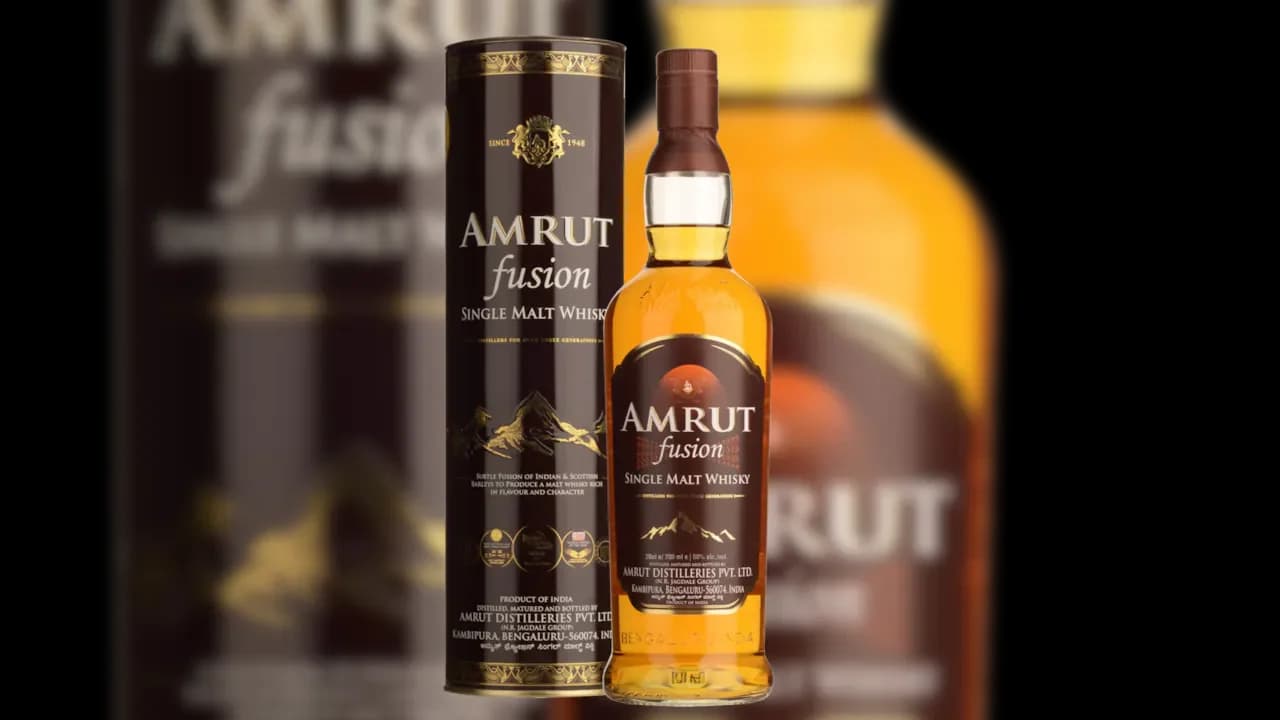
The developments could heighten competition in India's premium whisky segment, including among homegrown single-malt brands such as Amrut, Paul John and Rampur, as the price difference between Indian and imported Scotch shrinks. According to The Times of India, the steeper reductions seen in certain states are linked to differences in local pricing structures and companies' commercial decisions, rather than being a direct reflection of the tariff cut. Amrut Distilleries chief Rakshit Jagdale stated that while the company has considered repricing to compete with these brands, they will have to wait till after the festive season to get a clearer picture of the market. The initial cuts are being rolled out in some of India's biggest whisky markets, with Maharashtra and Uttar Pradesh among the largest whisky-consuming states, while Maharashtra and Haryana are key Scotch markets.
The India-UK trade pact provides zero-duty access on nearly 99% of India's exports, covering almost 100% of the trade value, as stated by the government. For Indian exporters, the agreement provides access to the UK's government procurement market, estimated to be worth around £90 billion a year. The agreement is expected to benefit farmers, fisherfolk, labour-intensive industries, MSMEs and skilled professionals by expanding UK market access, reducing tariffs and easing trade procedures. Sectors such as textiles, leather, footwear, gems and jewellery, food processing and auto components could see higher exports and job creation. The UK FTA will have an impact on the existing prices being offered by bottled-in-origin brands, potentially leading to a shift in competitive dynamics for other whiskies, including Indian single malts, according to industry experts.