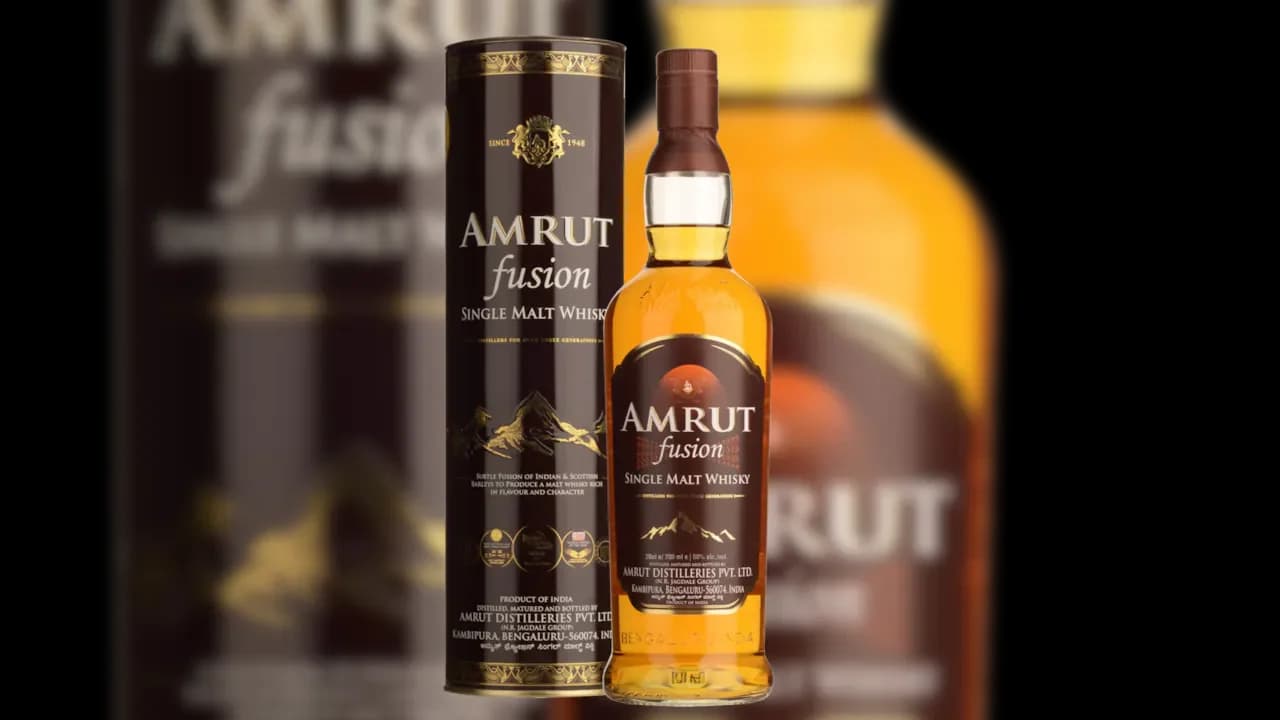
According to reports from The Economic Times, Amrut Distilleries expects its sales to remain largely flat until 2030 as demand for its single malt whisky outpaces production. The Bengaluru-based company currently holds an inventory of around 75,000 nine-litre cases of single malt whisky, but maturation requirements limit its ability to quickly increase supply. Managing Director Rakshit Jagdale stated that the company cannot significantly increase volumes in the coming years because Indian single malt whisky requires at least three years of maturation. This supply constraint is preventing Amrut from capitalizing on the category's growth potential, with Jagdale telling The Economic Times that "Before 2030, we'll see sort of flat sales because that's the quantity that we have. We cannot increase the quantity."
As reported by The Economic Times, Amrut is expanding its portfolio to reduce dependence on single malt sales where supply cannot be increased quickly. The company expanded its distillation capacity to 1.3-1.4 million litres last year, though the additional capacity will take time to translate into finished products. To address supply constraints, Amrut has introduced blended malt whisky to tap the luxury spirits market and is planning a more affordable single malt for North India before December, priced around 15% below its Fusion brand. This strategic diversification allows the company to reach a wider customer base without relying entirely on single malt sales, with Jagdale noting that "Otherwise, you are stuck with single malt. You are saddled with the limited volume that you can supply the market."
According to The Economic Times, the India-UK free trade agreement could intensify competition for domestic whisky makers as cheaper imported Scotch enters the market. Jagdale told The Economic Times that prices of some imported Scotch brands have declined by more than 15%, affecting Amrut's sales in North India. The company is refraining from major price cuts while assessing the agreement's impact, with increased competition particularly affecting newer Indian blended whisky brands. This competitive pressure highlights the challenges domestic producers face in maintaining market share against cheaper international alternatives, with Jagdale stating that "Rising imports of cheaper Scotch are also impacting sales of domestic whisky brands, particularly newer blends."
As reported by The Economic Times, beyond whisky, Amrut sells rum and brandy and is exploring a partnership with Mexican distilleries to develop a tequila brand. The company could initially bottle the product in Mexico before considering a shift to India. Amrut and Paul John were among India's first single malt brands, launched in the 2000s, with the market now attracting newer players including global spirits companies Pernod Ricard and Diageo. The competitive landscape has evolved with newer entrants like Piccadilly Agro's Indri and Kamet, as well as international brands Longitude 77 and Godawan, making market diversification increasingly crucial for Amrut's long-term growth strategy.