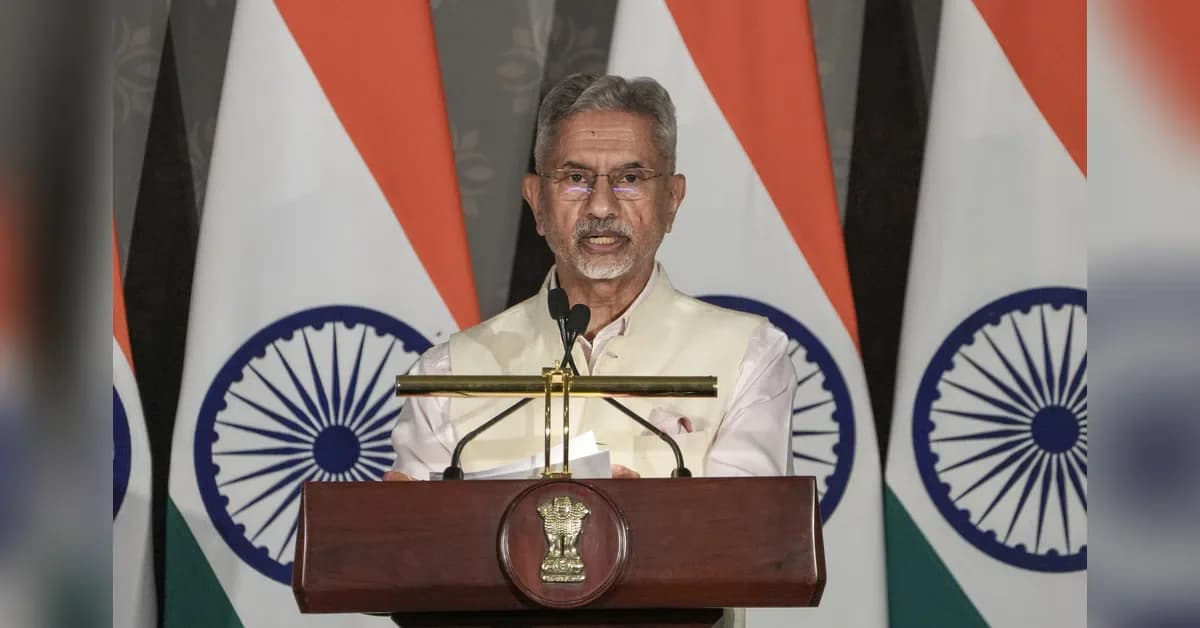
India and Qatar held high-level discussions on Thursday to strengthen bilateral trade and supply chain resilience amid ongoing West Asia crisis disruptions. The meeting was conducted between Commerce and Industry Minister Piyush Goyal and Qatari Minister of State for Foreign Trade Affairs Ahmed bin Mohammed Al Sayed. As reported by The Times of India, Goyal stated on social media that discussions focused on ways to further enhance bilateral trade and investment ties, looking forward to deepening the strategic partnership in the times ahead. These talks come as India seeks to diversify its trade relationships and reduce dependence on traditional markets.
According to reports from The Times of India, Niti Aayog has warned that geopolitical tensions in West Asia pose significant risks to India's trade and macroeconomic stability. The think tank's assessment comes as the region faces ongoing instability that could impact India's economic performance. The warning was issued in the quarterly 'Trade Watch Oct-Dec (Q3) FY 2025-26' report released on Monday. As per The Times of India, Niti Aayog Vice Chairman Suman Bery emphasized that FTAs are not a one-way street, stating that others are seeing them as tools for market access too. Bery highlighted that India's merchandise trade has been resilient in tough environment, and despite many apprehensions, services trade has also been particularly strong in 2025.

As reported by The Times of India, Niti Aayog identified that geopolitical tensions in West Asia have the potential to widen India's current account deficit (CAD). The think tank's analysis suggests that the ongoing instability in the region could create additional pressure on India's external trade balance, potentially affecting the country's overall economic stability. The report further notes that geopolitical instability in West Asia has slowed the India-Gulf Cooperation Council (GCC) Free Trade Agreement (FTA), affecting India's trade diversification efforts and market access opportunities with Gulf countries.
As reported by The Times of India, the war in West Asia broke out on February 28 when the US and Israel launched strikes on Iran, and Iran retaliated. This military escalation has created the geopolitical environment that Niti Aayog identifies as posing risks to India's trade and economic stability. The conflict's impact extends beyond immediate military operations to affect regional trade relationships and economic integration efforts. Iranian Foreign Minister Abbas Araghchi has criticised Washington, alleging "provocative actions and repeated ceasefire violations" by the US. He cited interference with Iranian merchant shipping and contradictory messaging from the White House as major obstacles to peace.