While India's decision to provide duty exemptions for specific sectors is welcomed, the end date for these exemptions highlights the country's inherent reluctance to fully liberalize imports. According to reports from Business Standard, the identified sectors don't necessarily require such policy support due to global supply-chain disruption or geopolitical tensions. The policy may primarily benefit incumbent businesses rather than inspiring new investment in these sectors.
A 2024 NITI Aayog report revealed that approximately 70% of international trade comprises items within global value chains (GVCs), with electronic items reaching 80% of this figure. As reported by Business Standard, India's current tariff structure with multiple slabs often leads to misinterpretation and disputes, while frequent revisions create additional problems. These issues put Indian producers and exporters at a disadvantage compared to competitors.
Despite these challenges, India has demonstrated strong performance in electronics production and exports. According to Business Standard, while India's merchandise exports increased by just 1% in 2025-26, electronics exports surged over 24%. This performance, partly attributed to Apple's iPhone production success, creates clear opportunities for further growth with supportive policies.
India has demonstrated remarkable resilience in maintaining energy security despite global supply chain disruptions. The country successfully navigated the Strait of Hormuz closure, ensuring energy security for its citizens through strategic diversification. As reported by The Economic Times, 30 ships bound for India have successfully navigated the Strait of Hormuz, with an additional 26 vessels awaiting passage. Indian refiners have successfully diversified their crude oil sources to include Russian, Brazilian, West African, and US grades, while government subsidies and excise duty cuts helped mitigate price disruptions.
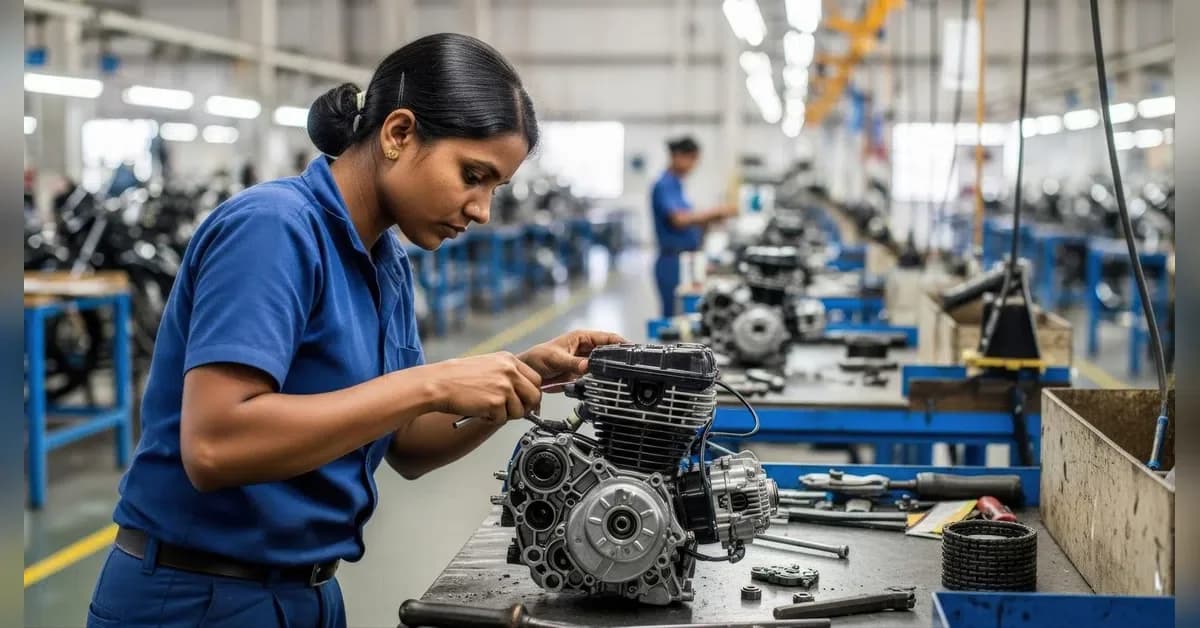
India has successfully signed relatively deep trade agreements with the United Kingdom and European Union in recent years, with an agreement with the United States also on the cards. As reported by Business Standard, deeper integration into value chains will provide longer-term benefits for the country. The success of electronics exports demonstrates that with supportive policies, production and exports can gain scale, encouraging component manufacturers to establish operations in India. The recent energy security achievements further strengthen India's position in global supply chains.