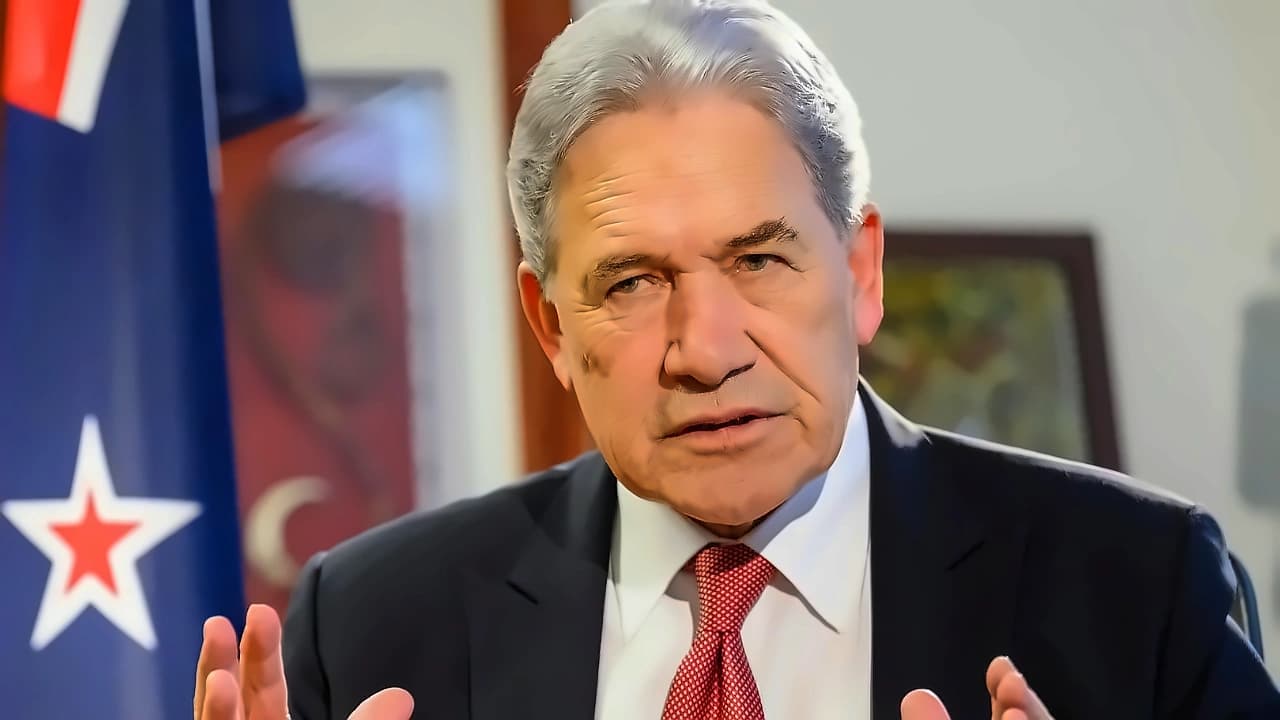
New Zealand Foreign Minister Winston Peters has accused the National Party-led government of introducing 'covert' immigration changes that unfairly target Indian citizens under the proposed India-New Zealand Free Trade Agreement. According to reports from The Times of India, Peters made these allegations during the first reading of the India FTA legislation in Parliament, claiming the government had made an 'abrupt change of course' by introducing immigration settings that 'target Indians and Indians alone'. He alleged that officials had warned ministers the proposed changes could damage New Zealand's bilateral relationship with India, hurt the country's reputation as a place to do business, and expose the government to legal challenges or possible retaliation from New Delhi. As reported by RNZ, Peters claimed his allegations were based on a confidential briefing provided to Immigration Minister Erica Stanford, though he declined to disclose details citing Cabinet confidentiality rules.
As reported by The Times of India, Peters outlined several proposed measures that he claims would discriminate against Indian citizens. These include imposing a labour market and economic needs test for Indian citizens that does not apply to nationals of other FTA partner countries, preventing Indians from applying for temporary employment entry visas from within New Zealand, treating Indian citizens differently regarding partners and children, and restricting them from counting work experience gained on temporary employment visas towards residency requirements. He argued that if such restrictions are imposed, they should apply equally to citizens of all countries covered by New Zealand's free trade agreements, stating 'The Indian Government has the right to know about National's intention to treat Indian citizens in a discriminatory manner relative to citizens of other FTA partners'. According to RNZ, Peters specifically alleged that the National Party was deliberately withholding information from the Indian government and claimed officials had warned ministers that publicly announcing the changes could trigger a negative reaction from New Delhi.
According to The Times of India, Peters further criticised the agreement on Friday and Saturday, claiming the deal would result in '20,000+ more immigrants' rather than the previously cited 5,000 visa holders. He argued that visa holders could bring family members and that uncapped student work rights would further increase migration. During Parliament's first reading of the India-New Zealand FTA Bill, Peters repeated his allegations, saying officials had discussed not announcing the changes publicly 'for fear of the Indian reaction'. The bill passed its first reading by 93 votes to 29, with support from National, Labour and ACT, while other parties opposed it. As reported by RNZ, Trade Minister Todd McClay rejected Peters' allegations, calling them incorrect and accusing his coalition partner of spreading misinformation ahead of the country's general election later this year.
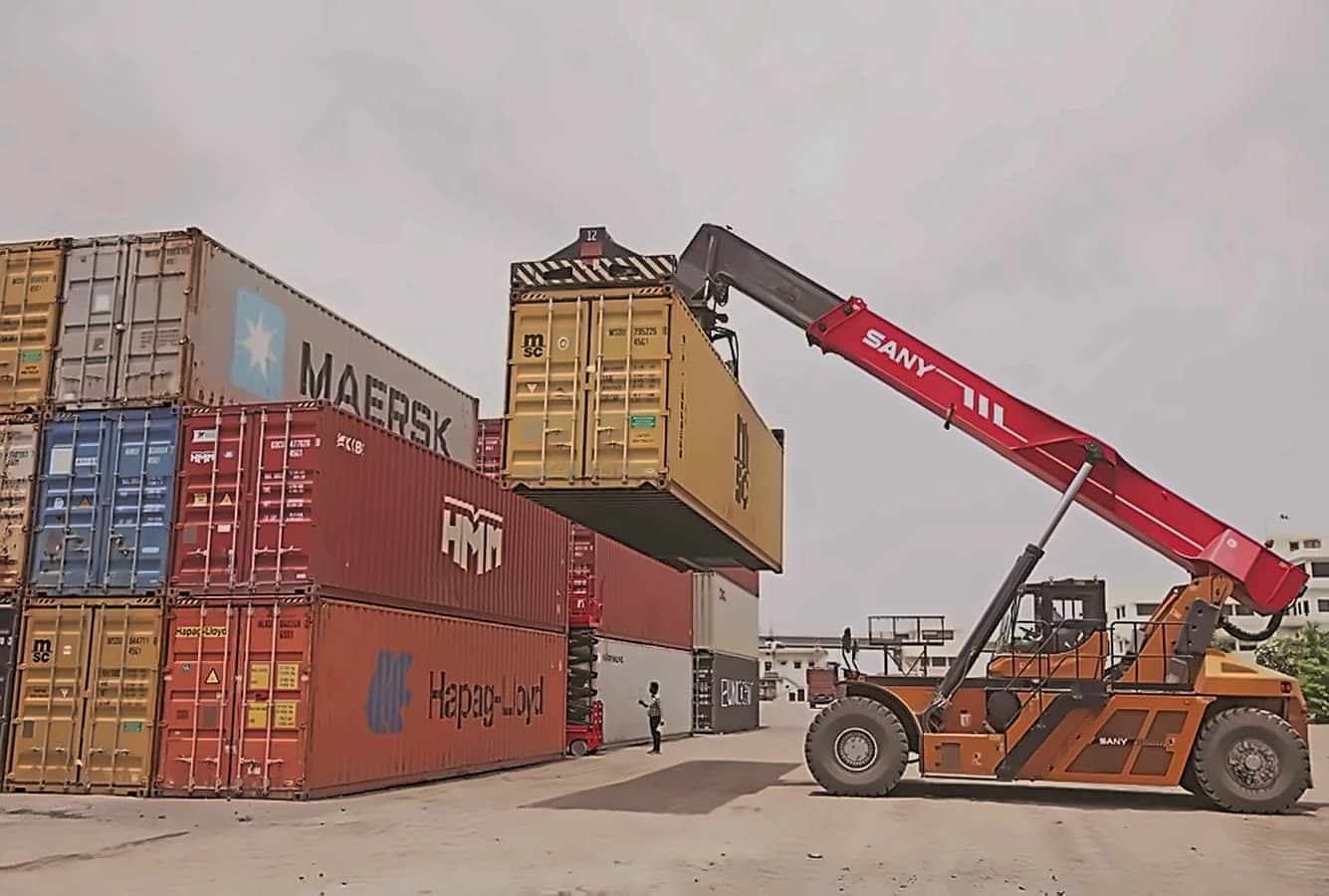
Trade Minister Todd McClay dismissed Peters' claims, saying New Zealand First was 'wrong' about the agreement. As reported by The Times of India, McClay described the agreement as a 'once in a generation' deal that would reduce tariffs on 95 per cent of current exports to India, with 57 per cent becoming duty-free from the first day. He said the pact would strengthen economic ties with India and help diversify New Zealand's export markets. McClay criticised New Zealand First for consistently failing to support important trade agreements, stating 'Whilst they are free to differentiate themselves in respect of the FTA, they should stop promoting misinformation for the sake of gaining votes'. According to RNZ, McClay defended the agreement in Parliament, describing the India-New Zealand FTA as a 'once-in-a-generation' opportunity that would provide exporters access to India's 1.4 billion consumers and help diversify New Zealand's export markets, marking 'the start of a new and exciting chapter' in bilateral relations with India.
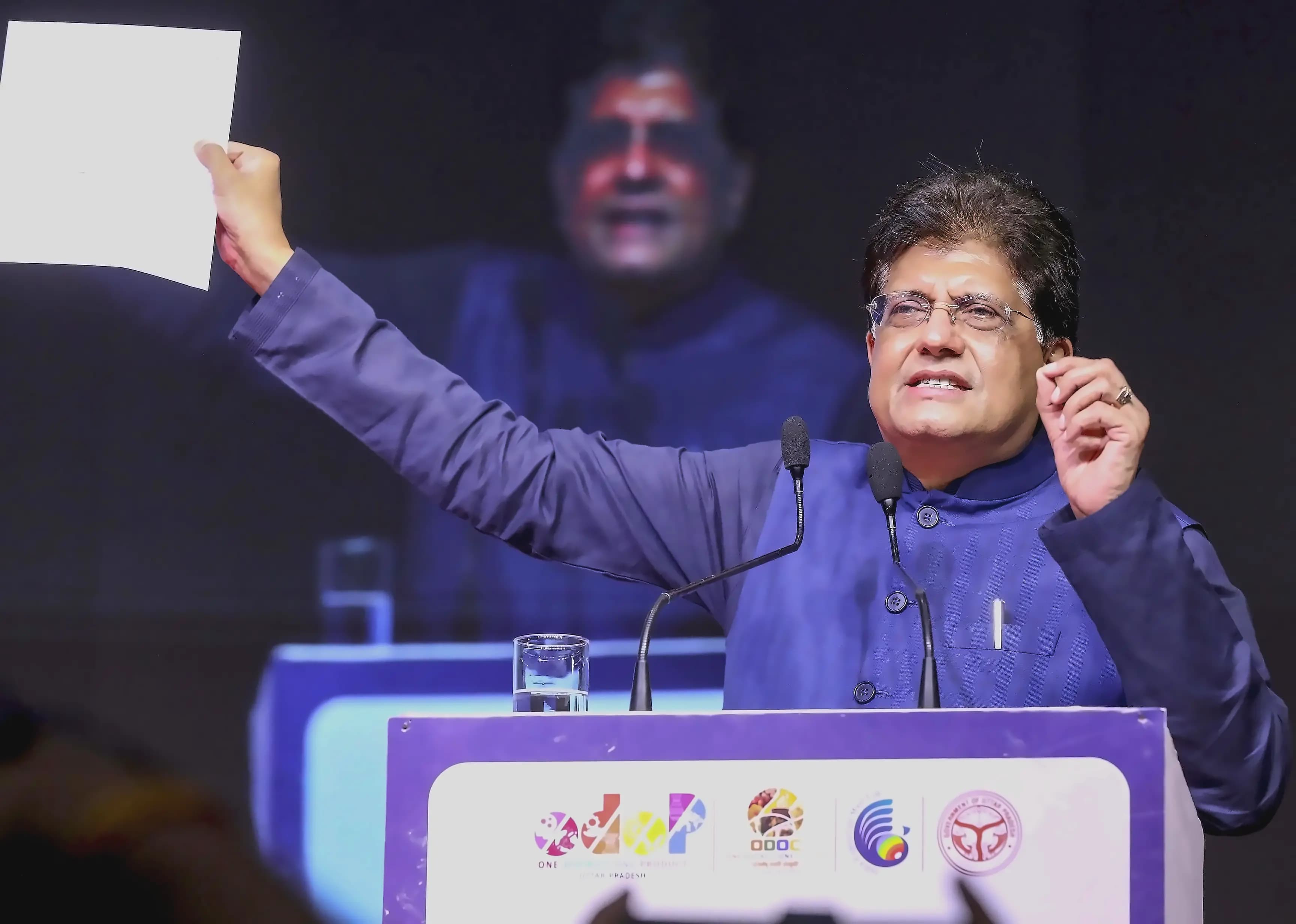
According to The Times of India, the India-New Zealand FTA provides duty-free access for all Indian exports to New Zealand and creates a Temporary Employment Entry Visa pathway allowing up to 5,000 Indian professionals in skilled occupations to work in New Zealand for up to three years at any given time. India and New Zealand signed the FTA in April this year in the presence of Union commerce minister Piyush Goyal and New Zealand Trade and investment minister Todd McClay. The India-New Zealand FTA is currently before the New Zealand Parliament for ratification, with the agreement aiming to significantly expand bilateral trade and includes New Zealand's commitment to invest around $20 billion in India over the next 15 years. Negotiations on the pact originally began in 2010 before being revived in 2025 and successfully concluded later that year.