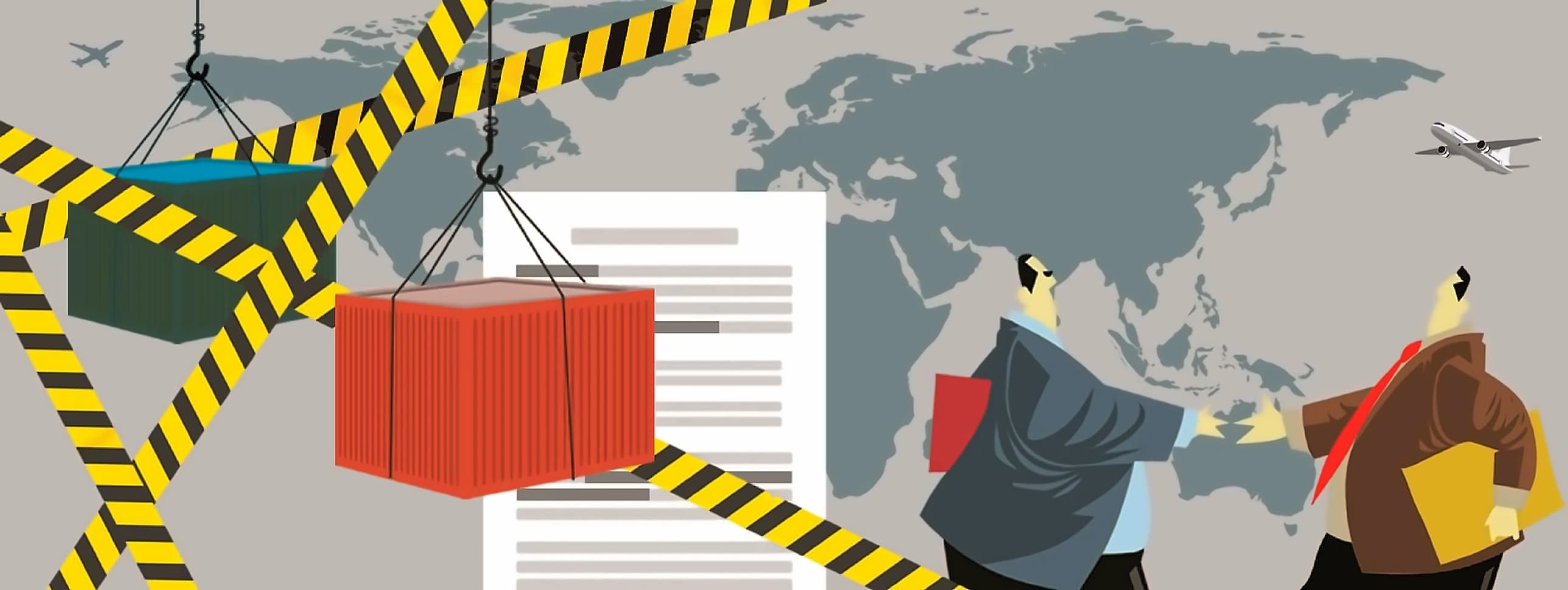
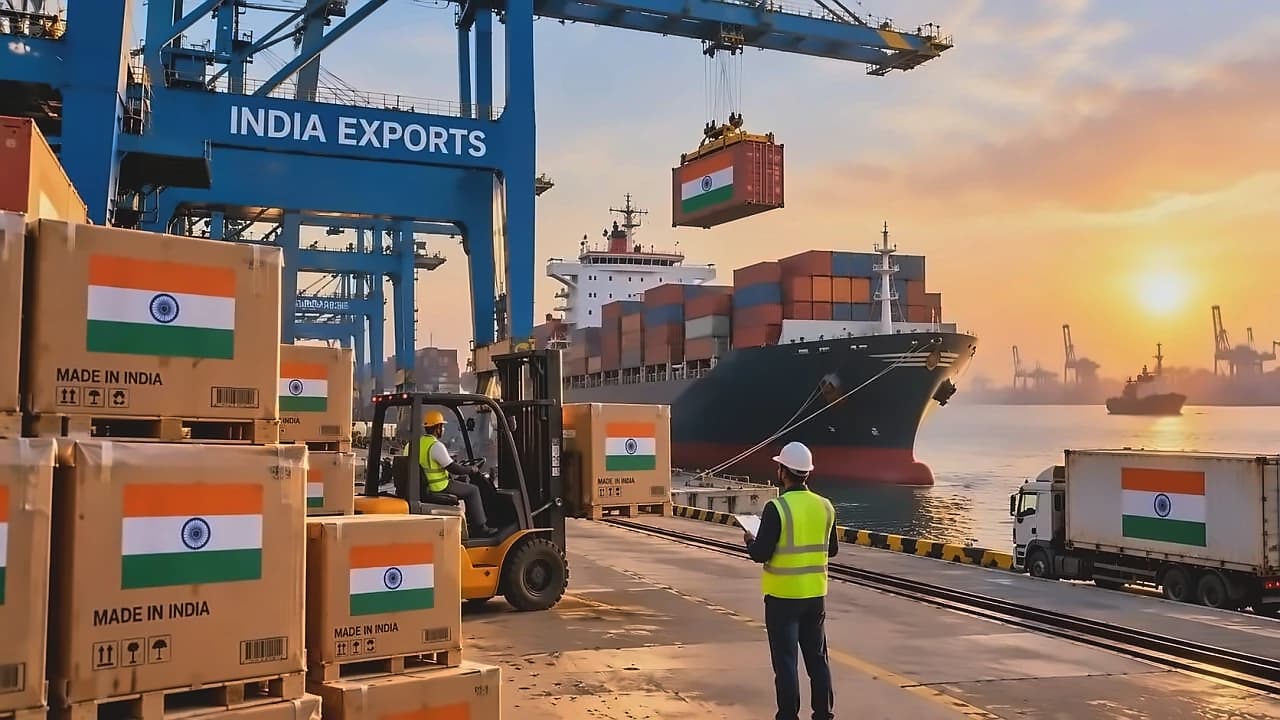
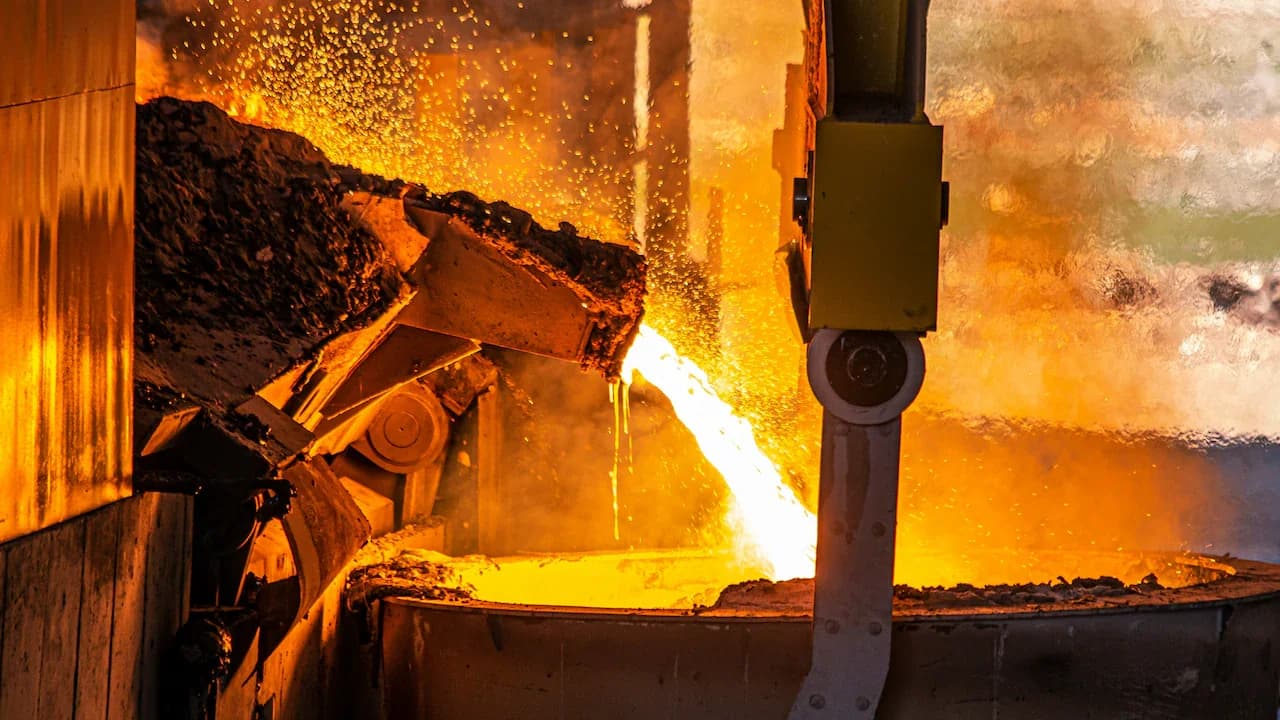
Trade ministers discussed preventing large production capacities, created with government support in some geographies, from hurting manufacturing in countries that follow fair trade practices, including India, the US and Europe, Commerce and Industry Minister Piyush Goyal has said. According to reports from Business Standard, Goyal said the members also discussed the future of several elements of the World Trade Organisation (WTO), which is currently under severe stress, including the fact that many countries are using predatory pricing as they have overcapacity, and are dumping goods, much to the detriment of honest and fair trade. "Issues like this were highlighted by the United States...This G20 was under their presidency. And good discussions were held that we should all collectively work towards ensuring that certain geographies with very large production capacities, created at different points in time with government support, should not be allowed to hurt manufacturing in countries where fair trade and honest business practices are carried out, such as the United States or Europe or India," he noted. However, differences of opinion prevented the release of an outcome document from the G20 Trade Ministers' Meeting in Milwaukee on October 2.
Commerce and Industry Minister Piyush Goyal has reaffirmed India's commitment to eliminating forced labour while warning against blanket trade actions at the G20 Trade Ministers' Meeting in Milwaukee on October 2. According to the Ministry of Commerce and Industry statement, Goyal emphasized that "measures at the border must be based on specific and verifiable evidence rather than presumptions about entire countries, regions or sectors." He stressed that India's trade measures against goods allegedly produced using forced labour must respect due process and WTO rules, while supporting voluntary exchanges of good practices among G20 members. The minister noted that Article 23 of the Indian Constitution prohibits forced labour as a fundamental right enforceable by the Supreme Court, and India has ratified International Labour Organization Conventions 29 and 105. Goyal reiterated that India's commitment to eliminating forced labour is "absolute and unconditional," while cautioning against imposing restrictions based on assumptions about entire countries, regions or sectors.
Commerce and Industry Minister Piyush Goyal has categorically denied that India possesses structural excess manufacturing capacity in sectors identified by the G20 Presidency. According to reports from Business Standard, Goyal emphasized that India's manufacturing capacity serves both domestic and global needs, addressing concerns raised during the G20 Trade Ministers' Meeting in Milwaukee, Wisconsin. The minister clarified that "industrial capacity in itself is not the issue," but distortions can arise when geographical concentration of production is driven by hidden subsidies and support. He shared India's concerns about trade-distorting support leading to dumping and predatory pricing in some countries, stating that such practices should be addressed through WTO-consistent measures, including anti-dumping and countervailing duties based on evidence and subject to judicial review. Goyal noted that trade distortions could emerge when production becomes geographically concentrated because of hidden subsidies and other forms of government support.
These statements come amid significant US trade actions, as reported by Business Standard. The Office of the United States Trade Representative (USTR) launched two separate Section 301 investigations on March 11 and 12, covering 60 economies over concerns related to forced labour and excess industrial capacity. One probe on forced labour concluded, resulting in a 10 per cent duty imposed on countries, including India, while final findings on the other probe are still awaited. The US has flagged excess capacity issues across multiple sectors including steel, textiles, aluminium, automobiles, batteries, cement, chemicals, electronics, energy goods, and transportation equipment. On the sidelines of the G20 meeting, Goyal held discussions with US Trade Representative Jamieson Greer on the India-US trade deal. Greer indicated there was "not something imminent" on the trade deal, adding that the two sides had identified "the universe of items" that remain sticking points in the negotiations.
India has positioned itself as a premier destination for data centre investments, with India receiving nearly USD 200 billion of commitments for investments in data centres, as reported by Business Standard. "India is the world's best location to house data centres...low-cost infrastructure, low-cost energy, low-cost data, a big pool of youthful talent, and finally, for those who are using cloud services or data storage for international purposes, tax-free until 2047, totally tax-free," Goyal said. He emphasized that creating data centre infrastructure in India will not cost more than one-fifth or one-fourth of what it'll cost in America or Europe. The minister highlighted that 60 per cent of the installed capacity of 520 gigawatts is clean energy (solar, wind, hydro, nuclear) in India, with data centres normally preferring to work on clean energy at a lower cost through the life cycle. "If you want 100 per cent clean energy 24 hours, you'll probably get it at 11 or 12 cents," he noted, adding that 14 lakh (1.4 million) STEM graduates emerge from Indian colleges annually, providing a substantial talent pool for the sector.
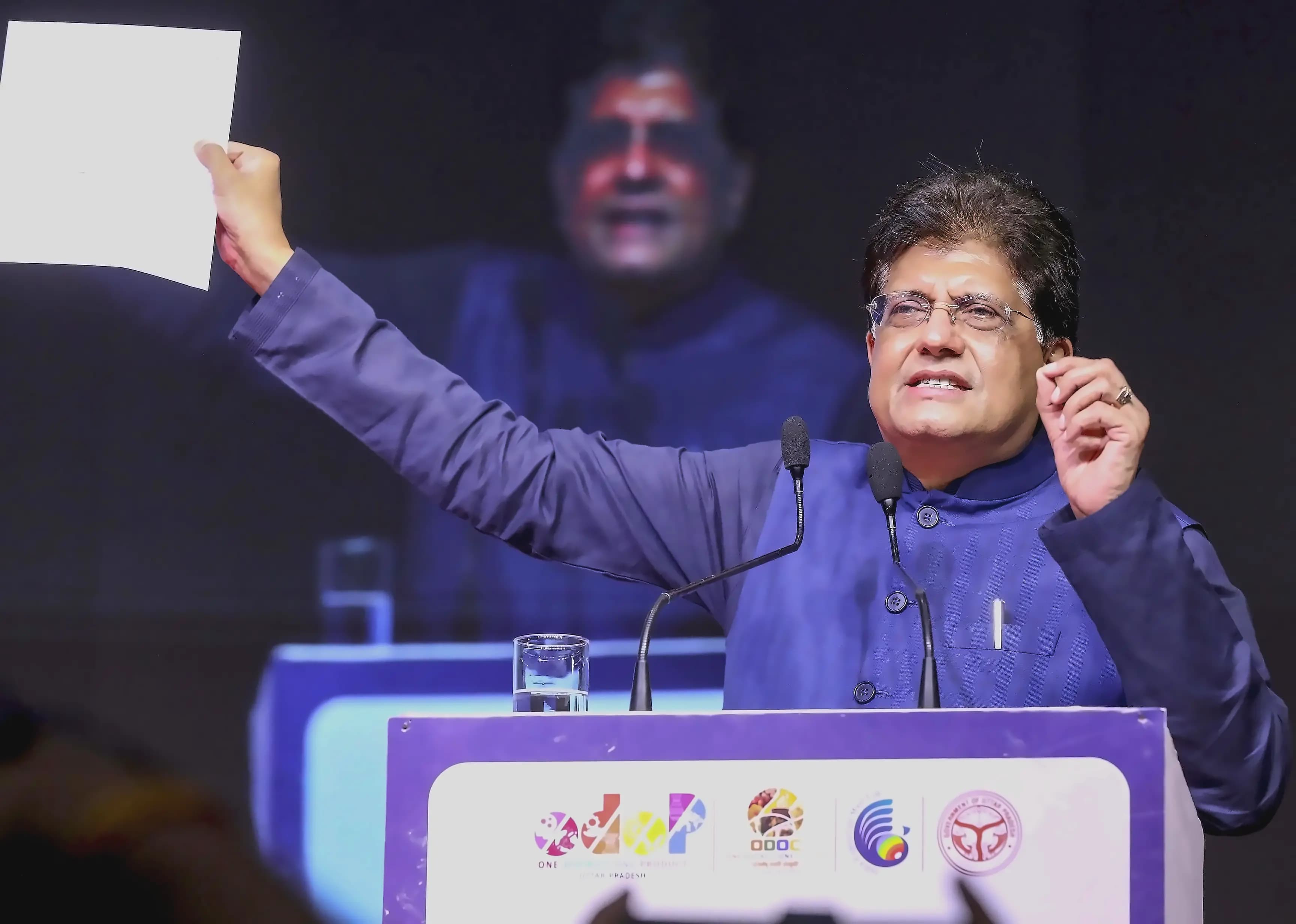
According to the commerce ministry statement, Goyal emphasized that India's trade with G20 members depends on a transparent, non-discriminatory and rules-based trading system. He called for restoration of the two-tier dispute settlement system and preserved special and differential treatment for developing countries. On the Most-Favoured-Nation principle, Goyal described MFN treatment as a key guarantee ensuring the same terms apply to the smallest and largest traders. The minister stressed that "diversification of production and supply chains" was a legitimate objective, but cautioned against using it as a reason to introduce measures outside WTO rules. He emphasized that such efforts should not shift the burden of adjustment to developing countries, which need sufficient policy space to industrialize, while calling for the sharing of statistics and data to continue through existing mechanisms. Goyal also extended India's support to the United Kingdom for its G20 presidency in 2027, reaffirming India's commitment to a rules-based, fair, equitable, transparent, open and inclusive multilateral trading system with the WTO at its core.