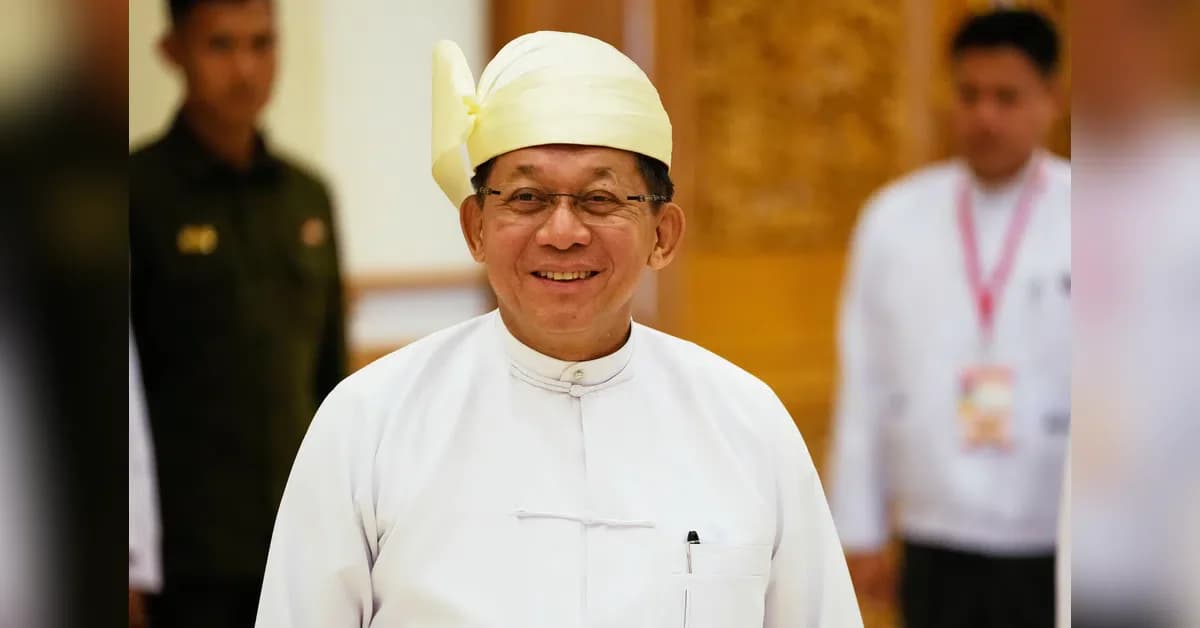
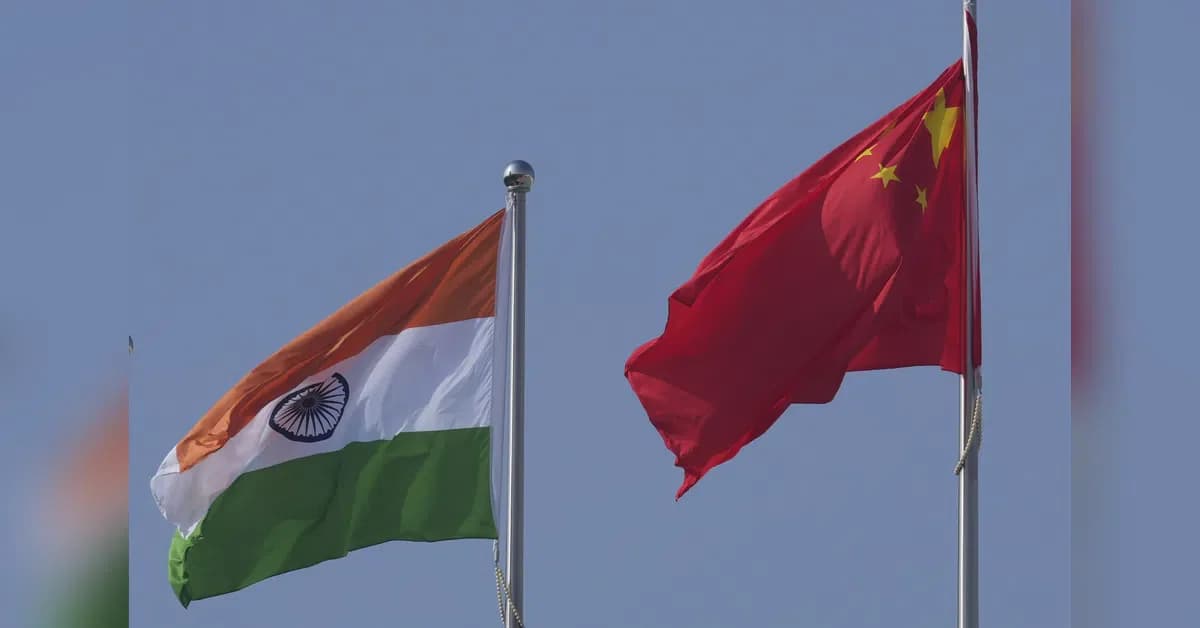
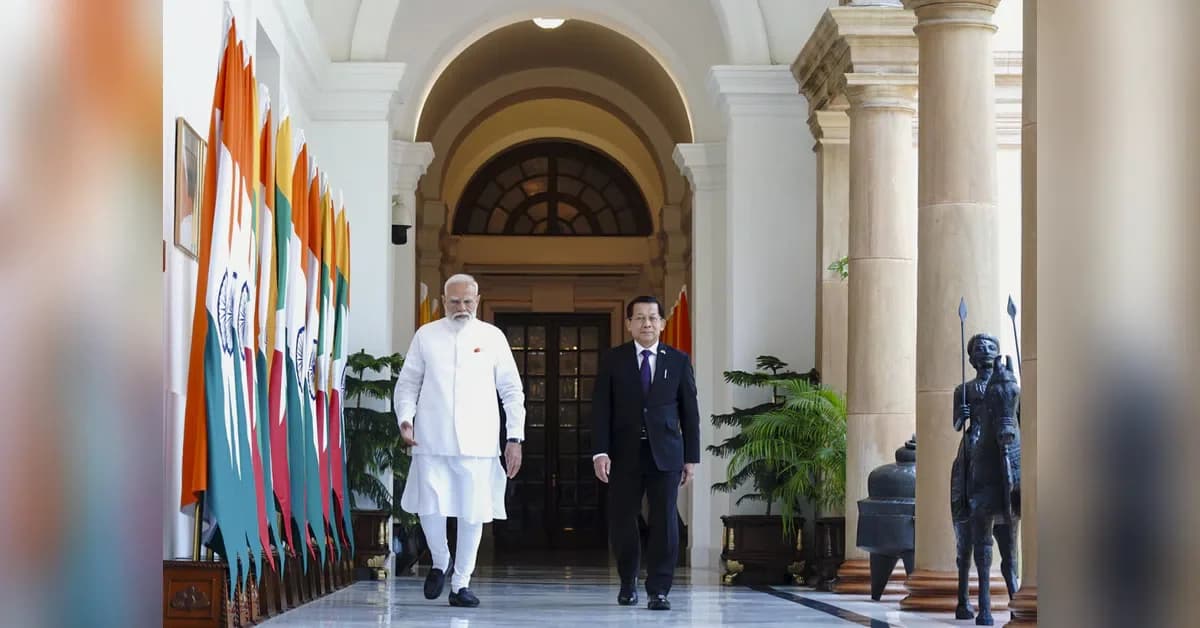
Myanmar President U Min Aung Hlaing began his five-day visit to India on Saturday, offering New Delhi a platform to consolidate bilateral ties with the Southeast Asian nation that is also in the crosshairs of geopolitical rival China. According to reports from Business Standard, the Myanmar president landed in Bodh Gaya, Bihar to visit the Mahabodhi temple before his arrival in Delhi this evening. External Affairs Ministry spokesperson Randhir Jaiswal welcomed the president on social media, stating that his visit reflects the strong spiritual, historical and people-to-people ties between the two countries. The visit, undertaken at the invitation of Prime Minister Narendra Modi, will begin in Bodh Gaya, Bihar, highlighting the cultural and civilisational linkages between the two nations.
Aung Hlaing's visit comes less than two months after he became president following Myanmar's parliamentary elections held in December and January. As reported by Business Standard, the elections were conducted after years of protests against the ruling military junta that seized power in a coup on February 1, 2021, overthrowing the democratically elected government of Aung San Suu Kyi. Minister of State for External Affairs Kirti Vardhan Singh represented India at Aung Hlaing's inauguration as president last month. The visit is particularly significant given India's security concerns along the 1,643-kilometre international boundary that spans across four states, including Arunachal Pradesh (520 km), Mizoram (510 km), Manipur (398 km), and Nagaland (215 km).
Myanmar represents one of India's strategic neighbours, sharing a 1,643-kilometre border with several northeastern states. The visit is particularly significant given India's security concerns along this border region, with diplomats and analysts noting that the timing provides New Delhi an opportunity to strengthen ties with a nation that is also facing geopolitical pressures. Dr Cchavi Vasisht, an associate fellow at the Centre for Geopolitics and Strategic Studies at the Chintan Research Foundation, told NDTV that the visit is critical for managing the border, stating "The most urgent bilateral issue is the management of a 1,643-kilometre border." The NIA's arrest in March 2026 of six Ukrainian nationals and one American allegedly for training Chins and transiting drone consignments through Mizoram confirmed that Myanmar's civil war is generating foreign fighter networks that use Indian territory as a transit corridor.
President Aung Hlaing is scheduled to hold discussions with Prime Minister Narendra Modi on June 1 on further strengthening historical and civilisational ties between the two countries. As reported by Business Standard, he will also participate in a business forum and travel to Mumbai on June 2 for business and industry interactions. The visit was initially scheduled to participate in the International Big Cat Alliance Summit on June 1, but this has been deferred. The Myanmar President will be accompanied by a high-level delegation comprising cabinet ministers, senior officials and business representatives. The MEA said Myanmar holds strategic importance under India's Neighbourhood First, Act East and MAHASAGAR policies, and the visit is expected to further expand multi-dimensional cooperation between the two countries. The visit is expected to advance discussions on enhancing regional stability and Myanmar's stated desire for cooperation to prevent the presence of armed groups along the India-Myanmar border.
Bilateral trade reached about $2.1 billion in 2024-25, with India importing pulses from Myanmar, making India the fourth-largest trading partner of the country. The extension of the black gram and pigeon pea MoU at the inauguration locked in the pulse trade framework until 2030-31. As reported by NDTV, new sectors such as pharmaceutical exports, agricultural machinery, and energy cooperation, including solar technology, are also on the table. The visit may have announcements on expanding the rupee-kyat settlement mechanism, which has been operational since January 2024, reducing dollar exposure for both sides. The Kaladan Multi-Modal Transit Transport Project, which the government had hoped to complete by 2027, remains strategically important for connectivity between India's Northeast and Myanmar.