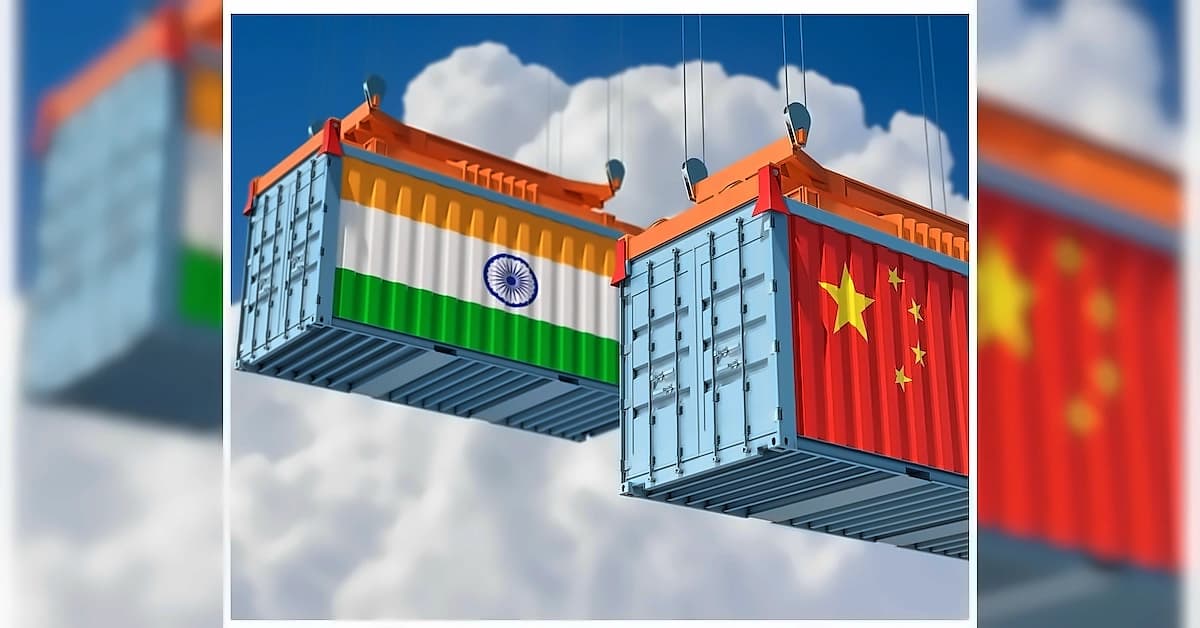
India-China border trade has resumed simultaneously through two key passes - Lipulekh Pass in Uttarakhand and Shipki La Pass in Himachal Pradesh - marking a significant economic and strategic development for India's frontier regions. For the first time, Indian border traders will be able to travel by road in vehicles up to areas close to both Lipulekh and Shipki La Passes, as reported by Dehradun News and The Times of India. The first batch of 26 Indian traders expected to enter Tibet on June 26 via Lipulekh Pass, with 26 trade passes issued, including 17 traders and 9 helpers. Meanwhile, trade between India and China will commence from June 1 through Shipki La Pass in Himachal Pradesh, with significant preparations being undertaken to ensure its success. A customs office has been opened at Gunji to facilitate the trade process at Lipulekh, with traders having already stored their goods in warehouses at villages near the Lipulekh pass.
The administration has received applications from more than 103 traders and is planning to issue trade passes for a second batch of 25-30 traders in the next two to three days. As reported by Dehradun News, Dharachula Sub Divisional Magistrate Ashish Joshi confirmed that ready permits have been issued immediately keeping in mind long-pending trader demands. To assist traders, the administration has designated a spot near Nabhidhang for mules and horses to transport goods to the Lipulekh pass, which is located nearly 600 metres from the site. In Himachal Pradesh, warehouses and shops will be constructed for traders at Namgya Gram Panchayat in the Pooh subdivision to facilitate the Shipki La trade. To ensure smooth operations, better coordination will be established among the Indian Army, the Indo-Tibetan Border Police (ITBP), and the Customs Department, with clear demarcation of responsibilities to prevent difficulties in conducting cross-border trade.
The revival of trade is expected to provide a major boost to the economy of remote border villages, generate local employment and support small businesses. During the prolonged closure, several shops in the old Taklakot market were reportedly allotted to Nepali and other traders, but a new trade mart has been developed for Indian and Nepali traders, where Indian traders will be allotted shops. In 2019, trade through this route was worth nearly ₹3 crore, including exports of around ₹1.25 crore and imports of approximately ₹1.90 crore. With road connectivity and modern facilities now in place, traders expect the volume to rise significantly in the coming years. The reopening will also bring relief to nearly 45 Indian traders whose goods, worth over ₹1 crore, have remained stuck in the Taklakot market for the past six years.
Returning traders face immediate logistical challenges as they assess goods stored for years before seeking government aid for potential losses. Jeewan Singh Rongkali, president of the Bharat-Cheen Vyapar Samiti in Dharchula, stated that upon reaching the Tibetan mart, their immediate priority is to check the condition of goods stored six years ago. Only after assessing the damage will they approach the government for a relief package to help compensate for losses incurred due to delayed storage. The India-Tibet trade pass is different from a regular passport and is issued only to authorised persons involved in border trade, with officials clarifying that the new market is better organised than the earlier one and offers more space for storing goods.