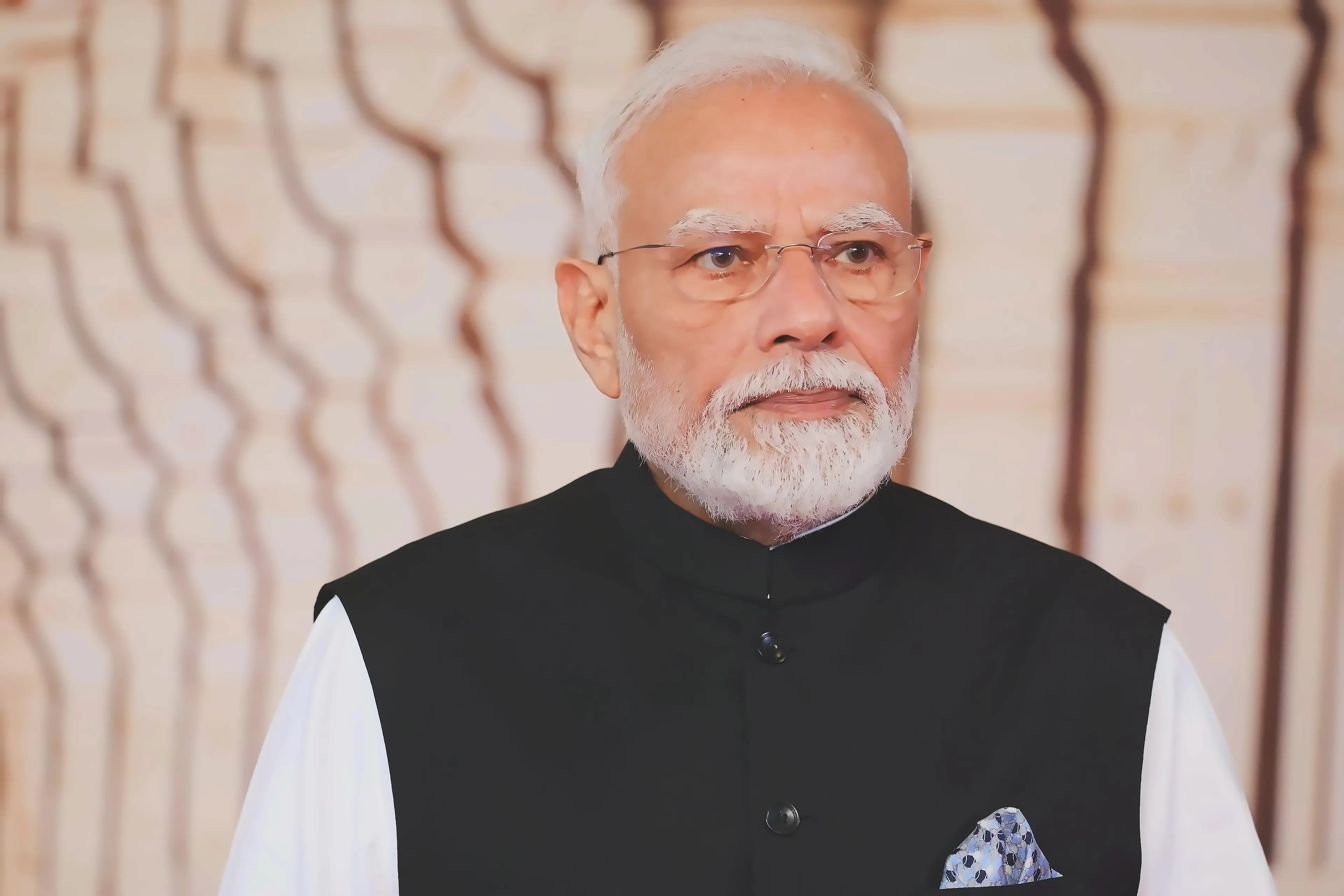
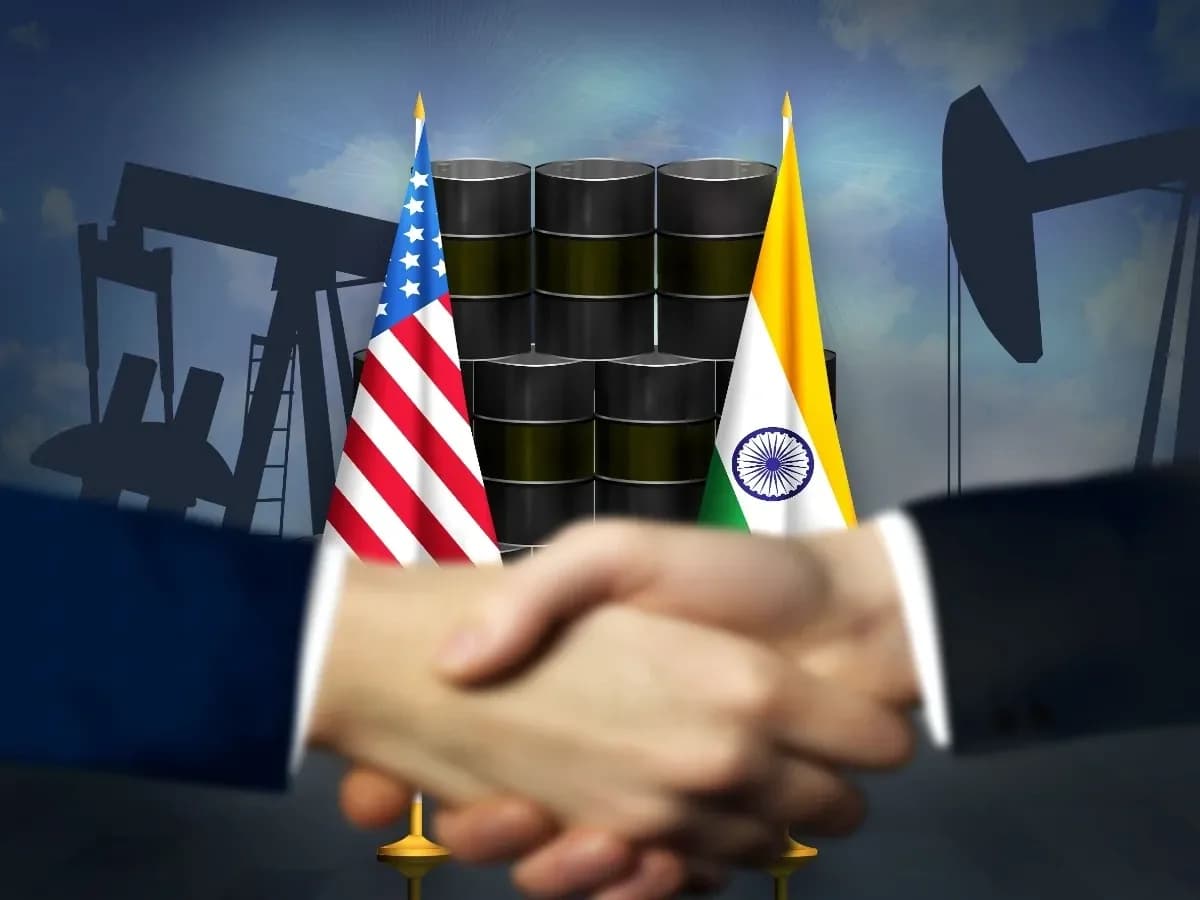
Prime Minister Narendra Modi signed comprehensive agreements spanning defence, uranium, critical minerals and technology with Indonesia, Australia and New Zealand during his recent three-nation tour. According to reports from Business Standard, these deals range from the sale of BrahMos supersonic cruise missiles to Indonesia to defense, energy and critical minerals partnerships with Australia, demonstrating New Delhi's ambition to play a bigger strategic role in the Indo-Pacific region. The agreements came against a backdrop of heightened security tensions, including China testing a nuclear-capable ballistic missile in the Pacific the day before Modi arrived in Indonesia. As reported by The Straits Times, Modi has stepped up engagement across the Indo-Pacific in recent weeks, signing a flurry of agreements that underscore New Delhi's strategic ambitions.
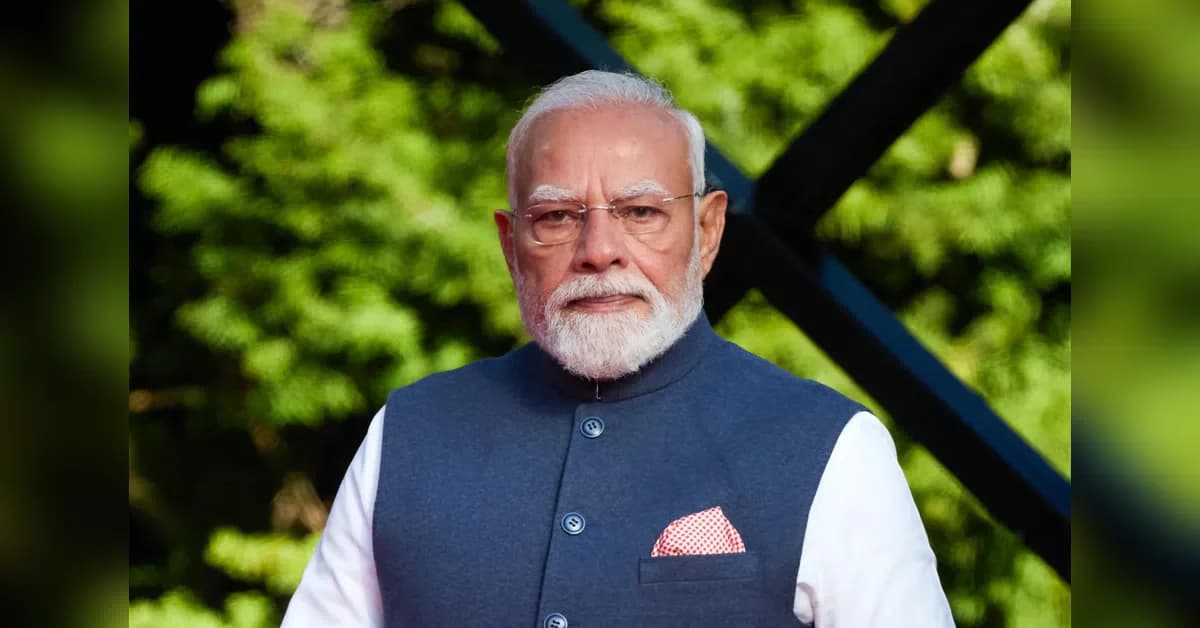
The three-nation visit offered a coherent articulation of New Delhi's geostrategic aims at a time when trade and political relations with the US remain unpredictable, as reported by Business Standard. Variable presidential interest in the Quad urgently demanded an alternative articulation of India's Indo-Pacific doctrine. In that sense, Modi's visits yielded critical momentum for the government's overarching global maritime doctrine of MAHASAGAR, the acronym for the Mutual and Holistic Advancement for Security and Growth Across Regions. Articulated in early 2025 during his visit to Mauritius, MAHASAGAR broadens the original security and trade architecture limited to the Indian maritime landmass (SAGAR) to the broader Indian Ocean geography bordering Africa to the Indo-Pacific. Unlike the Quad, which China derisively described as the 'Asian Nato', MAHASAGAR offers a collaborative capacity-building and security agenda.
The deals reflect a broader effort by Indo-Pacific countries to shoulder more of the region's security and economic burden as Washington presses allies and partners to take on a larger role while China expands its influence. As reported by The Straits Times, Ashok Malik, India chair at the Asia Group, noted that 'The rise of China as a major power in the Indo-Pacific region is leading to a new landscape'. He emphasized that 'Clearly the US footprint is declining in the region and other countries are trying to come together to fill the gap to whatever degree is possible'. New Zealand Prime Minister Christopher Luxon stated after meeting Modi that 'What you're seeing emerge in the region is what we call mini-latticeworks or multilateral arrangements between a small set of countries'. The agreements, including with Japan earlier this month, all point in the same direction: countries are pooling resources on key areas to reduce vulnerabilities as they face pressure from both the US and China.
China's missile launch came up during Modi's bilateral meeting with Australian counterpart Anthony Albanese on July 9, with Foreign Secretary Vikram Misri confirming that 'there was a certain amount of concern expressed about this development'. According to The Straits Times, the rare test drew protests from several countries and renewed concerns over Beijing's expanding military reach. China's missile launch came up during Modi's bilateral meeting with Australian counterpart Anthony Albanese on July 9, according to Indian Foreign Secretary Vikram Misri, who briefed the media in Melbourne. 'There was a certain amount of concern expressed about this development,' Misri said, adding that Australia and India would intensify cooperation to ensure that 'peace and security and stability in the Indo-Pacific area is continued to be maintained'. Modi has used the recent flurry of diplomatic meetings to repeatedly cast India's ties with Indo-Pacific partners as being built on 'mutual trust', calling it the region's 'greatest strategic asset' during meetings with leaders in Japan and Indonesia.
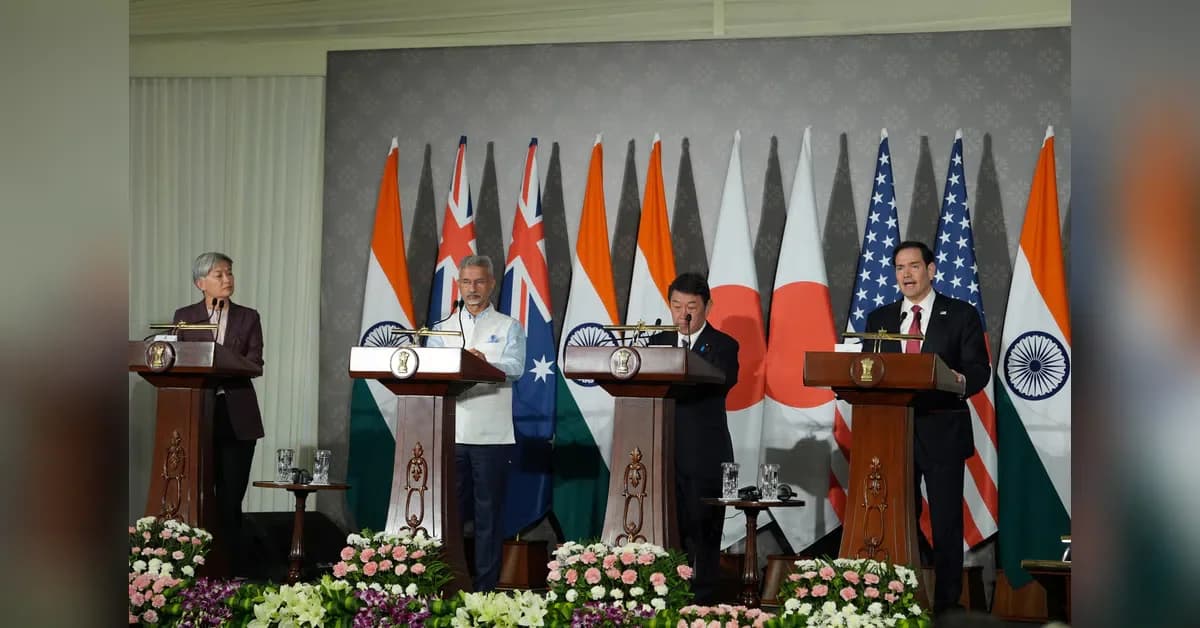
Australia has agreed to supply uranium for India's civil nuclear program and expand energy cooperation, while both countries launched initiatives on critical minerals and technology supply chains. As reported by The Straits Times, Australian Defence Industry Minister Pat Conroy defended the uranium sale decision, stating he's confident it will be used for peaceful energy production. The visit was described as 'a landmark event in the relationship between the two nations' by Conroy, who emphasized that 'India is a rising global power, the biggest democracy in the world, and is a force for good on the international stage'. The push comes as the conflict involving Iran highlights the risks for an economy that depends heavily on the Middle East for its energy needs. India and Australia have steadily expanded cooperation through the Quad grouping with the US and Japan, with defense, maritime security and resilient supply chains becoming central pillars of their relationship.