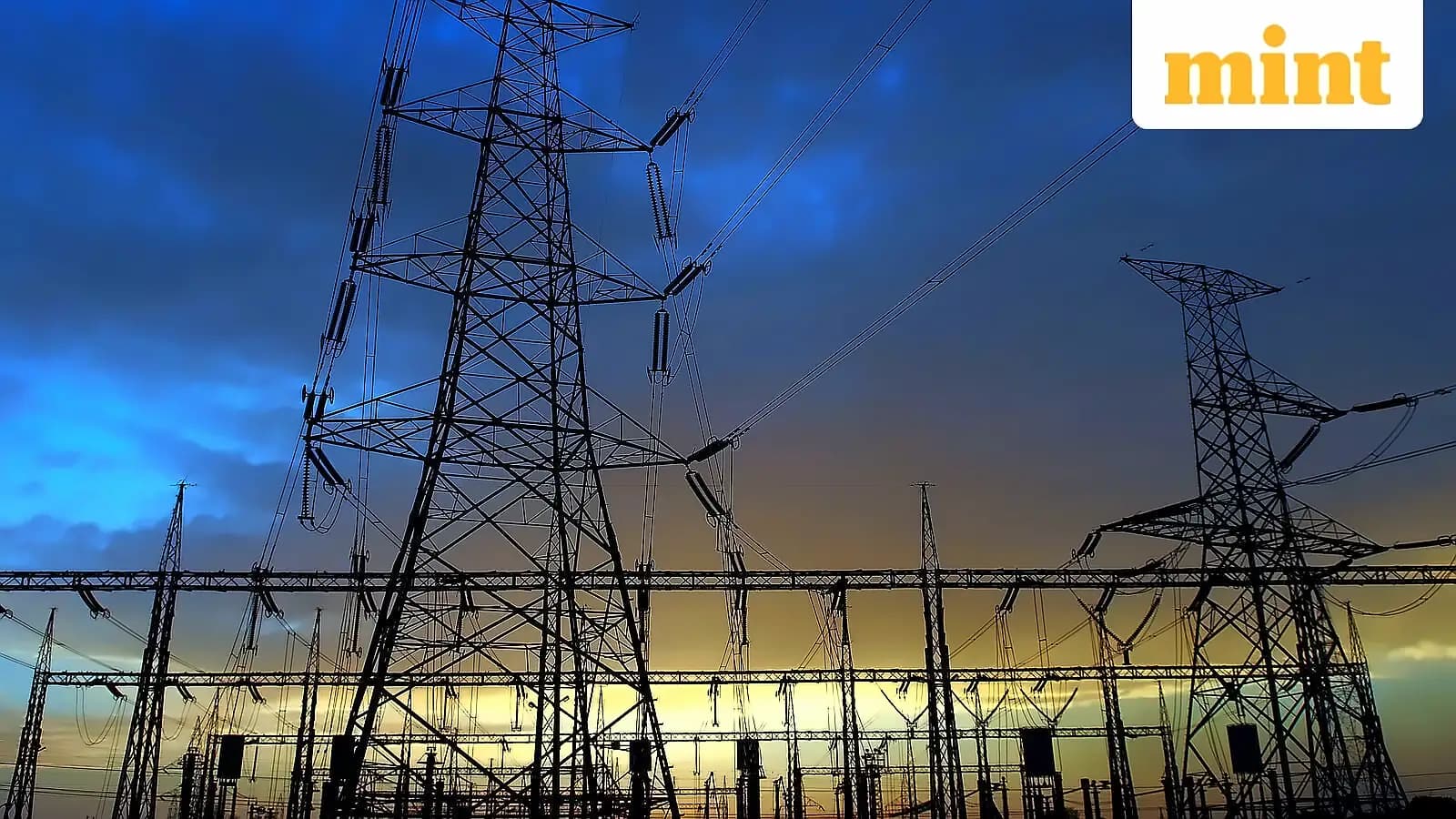
India and Singapore are exploring a 3,000-km land-based cross-border power transmission corridor linking Imphal with Singapore through Myanmar, Thailand and Malaysia, according to Union minister of state for power Shripad Yesso Naik. As reported by IANS, this proposed corridor is one of the options being considered for a 2,000MW cross-border power interconnection between the two countries. The corridor has the potential to facilitate reliable cross-border electricity trade, support clean energy integration and strengthen regional energy security. The proposed interconnection could enable reliable cross-border electricity trade, help integrate clean energy and strengthen energy security in the region.
India welcomed the ASEAN Plan of Action for Energy Cooperation 2026–2030 and assured ASEAN countries of its continued cooperation under the ASEAN-India Plan of Action 2026–2030. The cooperation will cover areas such as the ASEAN Power Grid, regional power transmission, multilateral electricity trade, clean energy and energy security, according to an official statement. Addressing the 20th East Asia Summit Energy Ministers' Meeting in Manila, Naik said India is ready to share its experience in large-scale renewable energy deployment, grid integration, transmission planning, energy storage, green hydrogen and other clean energy technologies with East Asia Summit participating countries.
During the summit, Naik emphasized India's readiness to share expertise with participating countries and called for greater institutional linkages between the ASEAN Centre for Energy and Indian institutions. He highlighted opportunities for cooperation in strategic petroleum reserves, emergency preparedness, electricity system resilience, LNG and gas supply security, renewable energy forecasting, battery energy storage, green hydrogen and other emerging energy technologies. He also expressed India's interest in exchanging knowledge and working with ASEAN partners on carbon capture, utilisation and storage (CCUS) and the Carbon Credit Trading Scheme, while taking into account the priorities and circumstances of participating countries.
India has achieved significant progress in its power sector, with installed electricity generation capacity reaching 558.8 GW as of September 30, including 308 GW of non-fossil capacity. Non-fossil sources now account for 55 per cent of India's total installed power capacity. As of September 29, 2026, around 5.01 million rooftop solar installations had been completed, benefiting 5.95 million households under the PM Surya Ghar scheme. India had achieved 50 per cent of its cumulative installed electricity generation capacity from non-fossil sources in June 2025, five years ahead of its 2030 Nationally Determined Contribution (NDC) target under the Paris Agreement.