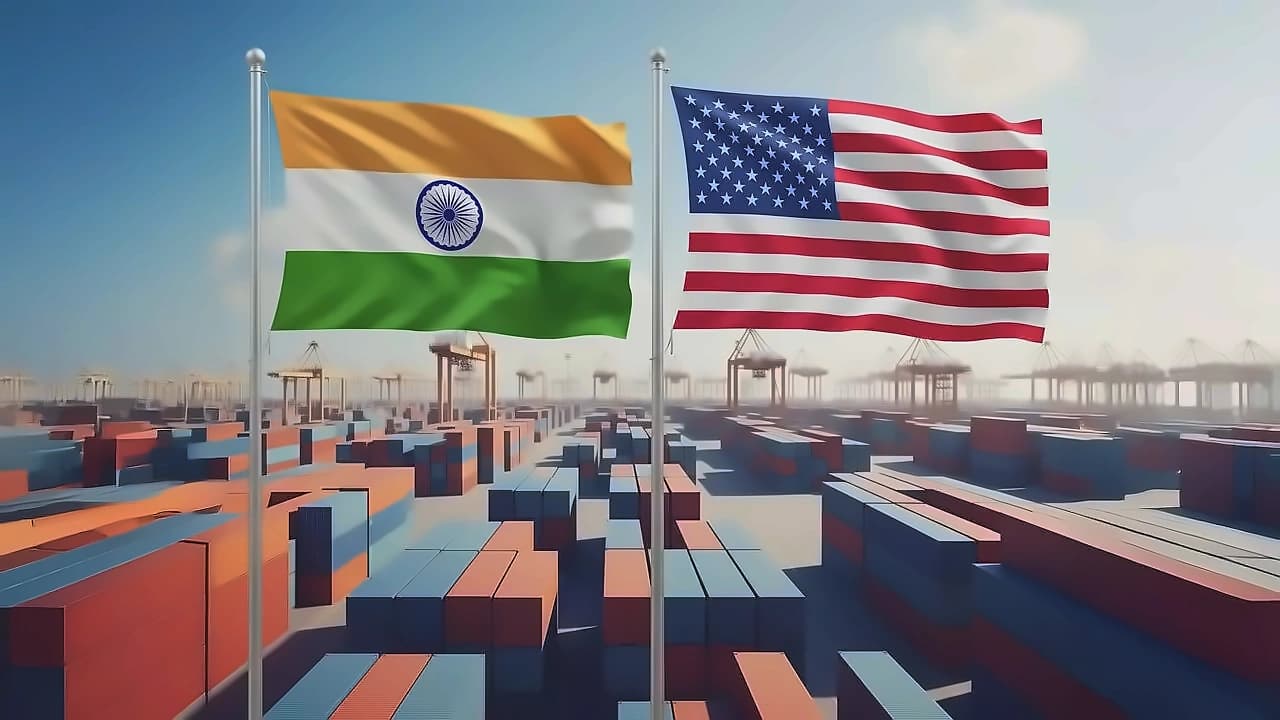
India's trade surplus with the US fell 28% to $31.2 billion in 2025-26 compared to $43.19 billion in 2024-25, according to reports from Business Standard. The decline occurred after US President Donald Trump levied 25% tariffs on India in July 2025, which subsequently rose to 50% in August to limit India's trade with Russia. However, following the US Supreme Court's decision striking down the tariff programme, the tariff rate has now been reduced to 10% temporarily under new Section 122 authority, as confirmed by the White House. This represents a significant shift from the previous 50% rate, though the trade surplus remains substantially lower than pre-tariff levels. The latest developments show that Washington will charge a reduced tariff on New Delhi, lowering it from 25% to 18% under the trade deal, with the new 10% rate replacing earlier International Emergency Economic Powers Act (IEEPA)-based duties that were struck down by the Supreme Court.
The trade surplus narrowed primarily due to higher imports of petroleum, aluminium and copper products, gold, silver, precious stones, and electronic goods, as reported by Business Standard. These increased imports contributed significantly to the overall trade balance shift, reflecting the impact of higher tariff costs on import-dependent sectors in India. The import surge across multiple commodity categories demonstrates the cascading effect of tariff implementation on bilateral trade flows, with the latest 10% rate providing some relief compared to the previous 50% level. The White House clarification indicates that the newly announced 10% global tariff under Section 122 is not in addition to previously imposed IEEPA tariffs on India, but replaces them for now, reflecting both legal constraints imposed by the US court and the administration's stated intent to continue pursuing trade relationships through alternative statutory mechanisms.
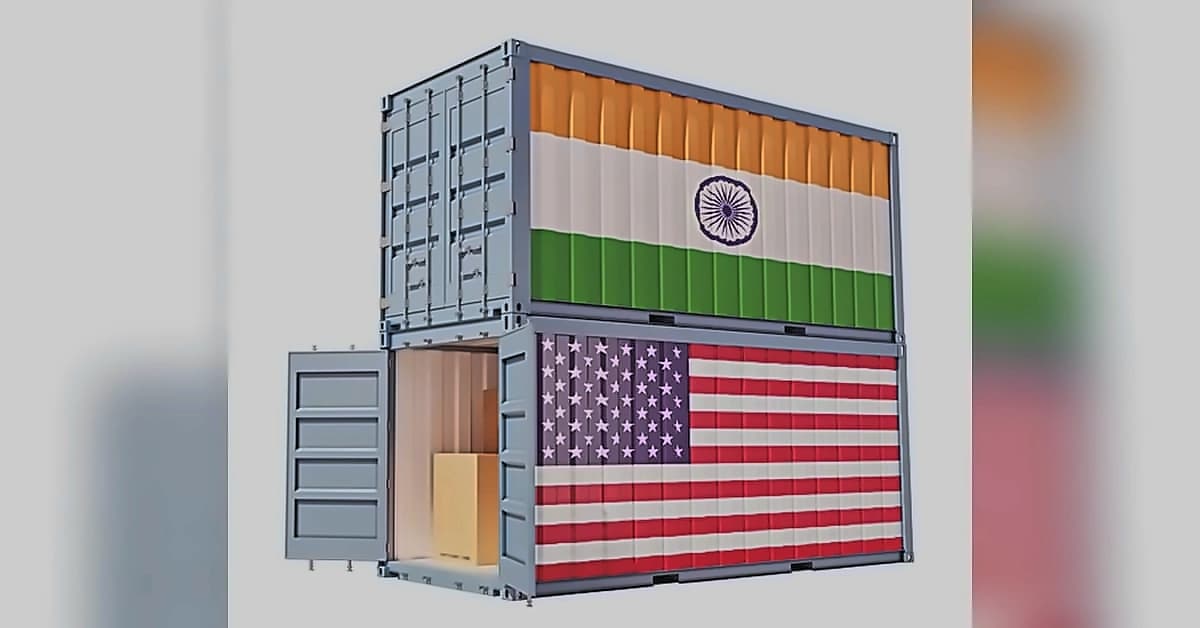
India's outward shipments to the US fell during this period, with the largest declines seen in exports of gems and jewellery, drugs and pharmaceuticals, agricultural goods, and readymade garments, according to Business Standard. These export sectors, which traditionally form a significant portion of India's trade with the US, experienced substantial reductions following the tariff implementation. The decline in these key export categories contributed to the overall reduction in India's trade surplus with the US, though the temporary 10% rate may provide some recovery opportunities for these sectors as trade relations normalize under the new framework.
The US earned record-breaking revenue via Customs from April 2025 through March 2026, as reported by Business Standard. However, after the US started issuing refunds in the latter half of April following the ruling by the US Supreme Court to declare the tariff programme unlawful, net Customs revenue turned negative starting May 2026. The latest 10% rate under Section 122 authority represents a significant reduction from the previous 50% level, though it remains higher than the original 25% rate. This shift in customs revenue patterns reflects the legal and practical challenges faced by the US administration in implementing and maintaining the tariff programme, with the current adjustment reflecting both court-imposed constraints and the administration's stated intent to pursue trade relationships through alternative statutory mechanisms.
Despite the tariff challenges, both countries are working toward a resolution. US President Donald Trump confirmed there is no change in the trade deal with India and emphasized that the India deal is on track, as reported by Business Standard. A White House official clarified that the tariff on India will drop to 10% temporarily following Trump's announcement of a new global tariff. Meanwhile, India's External Affairs Ministry confirmed that both countries are working to finalize the mutually beneficial trade agreement as per the Joint Statement adopted recently. Ministry spokesperson Randhir Jaiswal announced that a delegation from India, led by the chief negotiator, will visit the US next week to advance the trade agreement negotiations, with Trump stating that his relationship with India is fantastic and they are doing trade with India.