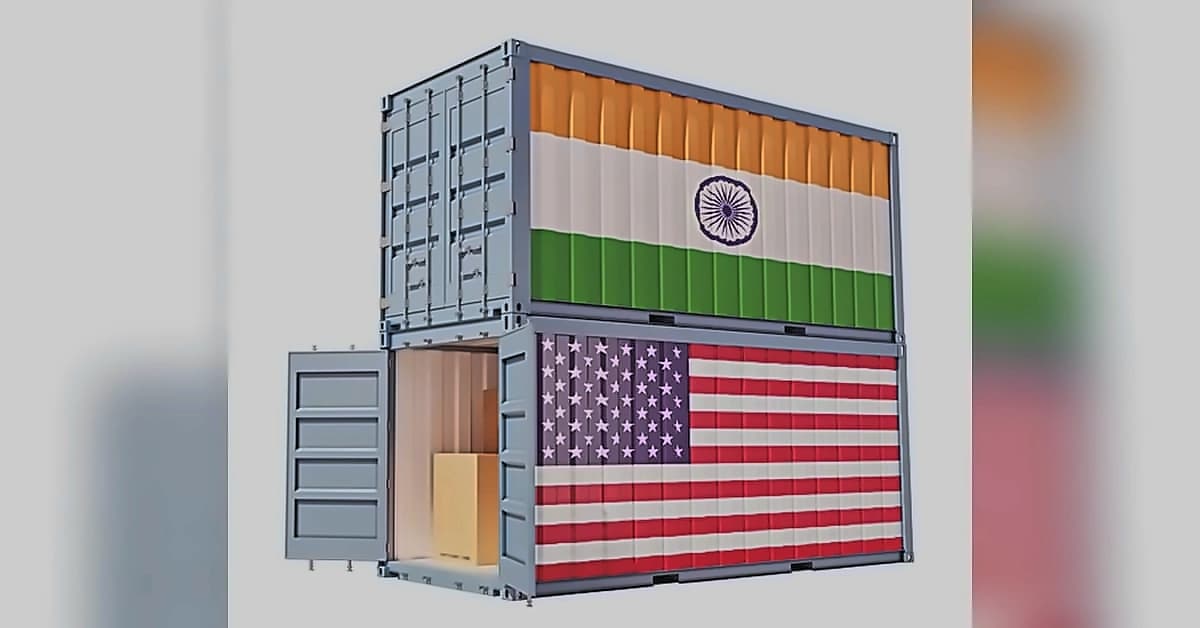
India's trade performance during the 12-year NDA tenure presents a mixed picture with significant divergence between goods and services sectors. According to reports from Business Standard, merchandise exports rose from ₹2,59,000 crore to ₹3,67,000 crore from 2013-14 to 2025-26, while merchandise imports increased faster from ₹3,92,000 crore to ₹6,37,000 crore. Despite these increases, India's share in global merchandise exports remained stagnant at around 1.8 percent throughout this period. In contrast, services exports demonstrated strong growth from ₹1,25,000 crore to ₹3,47,000 crore, with India's share in global services exports reaching 4.3 percent. Recent developments show India continues to remain the world's fastest-growing major economy, as confirmed by Finance Minister Sitharaman at the BJP's Viksit Bharat event in Bengaluru.
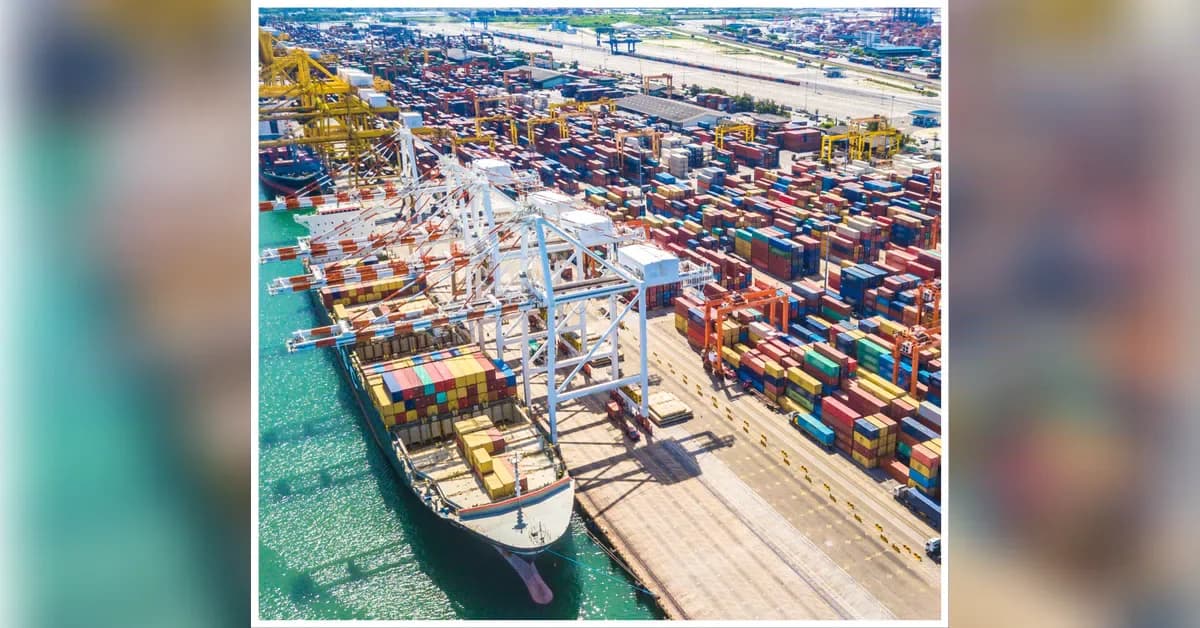
The Indian rupee depreciated significantly from ₹58.6 to ₹95.4 per dollar, making the dollar approximately 63 percent costlier in rupee terms during this period. As reported by Business Standard, multiple trade policy reforms were implemented, including the replacement of Focus Product Scheme and Focus Market Scheme with the Merchandise Exports from India Scheme (MEIS) in 2015, which was later ruled inconsistent with WTO disciplines. The government eventually withdrew MEIS and introduced the Remission of Duties and Taxes on Exported Products scheme.
The government implemented comprehensive measures to protect domestic capacity and reduce import dependence, as reported by Business Standard. Simple average applied tariff increased to around 15.8 percent, with anti-dumping, safeguard and countervailing duties imposed on hundreds of items. Quality control orders, minimum import prices, import licensing and registration requirements were used more frequently. While these measures helped large domestic producers, they hurt downstream user industries, especially MSMEs, by raising input costs.
Several structural reforms were implemented during this period, including GST simplification that improved refund procedures for exporters and the PLI scheme in 14 sectors, which showed mixed results. According to Business Standard, the PLI scheme worked effectively in electronics, particularly mobile phones, but results in several other sectors remained modest. Logistics costs were reduced to about 8 percent of GDP from earlier estimates of 13-14 percent, following heavy government investment in infrastructure including roads, railways, dedicated freight corridors, ports and airports. Recent initiatives include calls for a single agency to streamline bio-fuel and Sustainable Aviation Fuel projects to position India as a major bio-energy exporter and bolster energy security.
After walking out of RCEP, the mega trade deal in East Asia, the government pursued FTAs with richer countries aggressively, though outcomes remain uneven with limited exporter utilization and faster import growth under preferential routes. As reported by Business Standard, the next phase must focus on moving from protection to competitiveness through lower input costs, simpler procedures, credible FTA monitoring, faster refunds, and predictable regulation. The analysis emphasizes that India cannot build export strength by making imports costly; it must make domestic production competitive. Recent developments show India is poised to become a major bio-energy exporter and bolster its energy security, aligning with the nation's focus on self-reliance and net-zero goals.