India's tea exports have experienced a significant decline during January-March 2026, falling to 54.69 million kg compared to 69.24 million kg in the corresponding period last year, according to Tea Board data cited by the Indian Tea Association (ITA). The decline reflects the impact of the US-Israel-Iran conflict towards the end of February, which has disrupted shipping routes and increased operational costs. Around 46 per cent of India's tea exports are directed to markets including Iraq, the UAE, Iran, Saudi Arabia, Turkey and Egypt, making these regions particularly vulnerable to geopolitical tensions. The ITA noted that ongoing geopolitical tensions in these regions, along with disruptions in major shipping routes, continue to pose significant risks to India's tea competitiveness by driving up insurance premiums and heightening currency volatility.
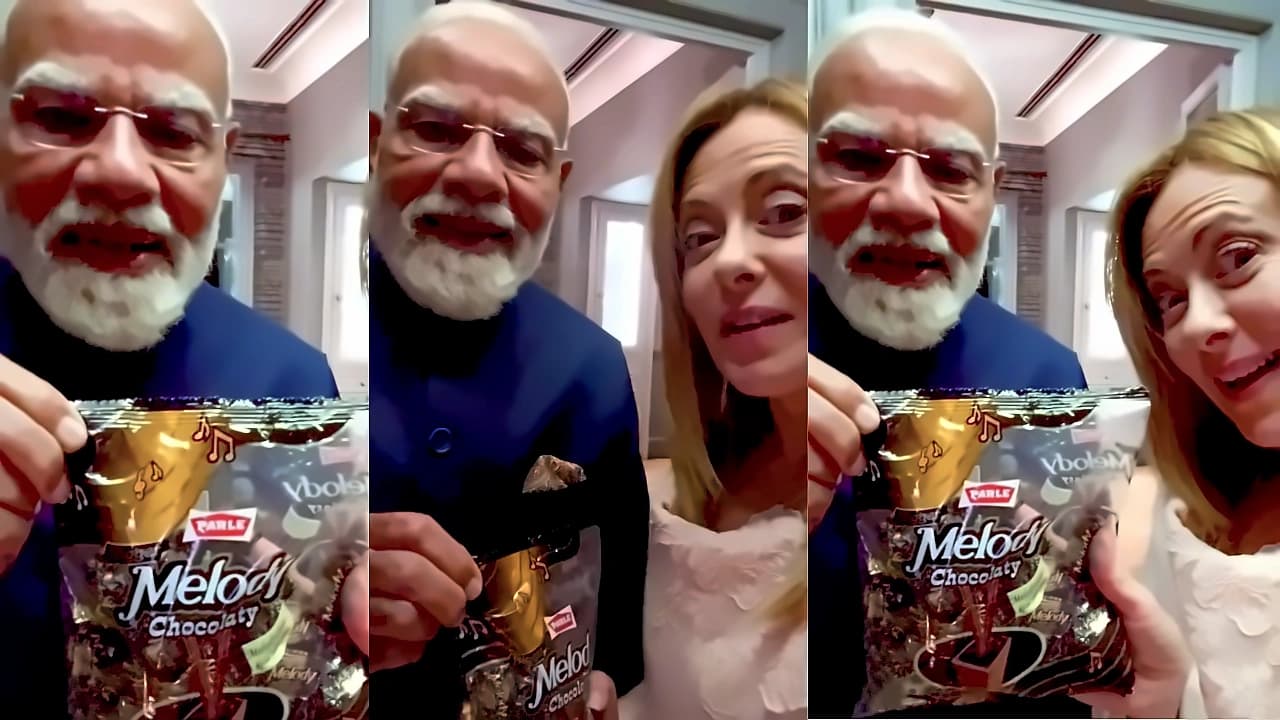
India's confectionery exports have experienced remarkable growth over the past decade, with Commerce and Industry Minister Piyush Goyal announcing that exports have climbed 166 per cent over the last 12 years. According to reports from ANI, the sector reached ₹132 crore in FY26, representing a significant increase from ₹49.68 crore in 2013-14. Goyal highlighted this growth trajectory on social media platform X, stating that 'India's TOFFEE TALE would surely be melody to the ears!' The Union Minister also shared trade data pointing to growing global demand for Indian confectionery products, an industry that has quietly expanded alongside the country's broader push to strengthen exports.
Union Minister Piyush Goyal emphasized India's continued attractiveness as an investment destination despite rising geopolitical tensions in the Middle East. Speaking at an event in New Delhi, Goyal said the current global environment presents a 'perfect opportunity' for India and the US to deepen economic cooperation, particularly in manufacturing and innovation-led sectors. He noted that American industry had invested more than $60 billion in India over the past six months, highlighting the strength of bilateral economic ties. Goyal urged stronger economic collaboration with the US to build resilient supply chains, as companies across sectors reassess supply chain dependencies amid geopolitical conflicts and shipping disruptions.
Despite the positive export growth, India faces currency and trade deficit challenges due to global uncertainties. Goyal ruled out any immediate move to curb non-essential imports, even as the rupee remains under pressure against the US dollar and crude oil prices stay elevated due to the Middle East conflict. The commerce minister acknowledged that 'all the various arms of the government are working as a team' and that 'several steps are under consideration' to address the challenging global situation. He noted that the situation globally is quite challenging, pointing to uncertainty stemming from geopolitical tensions and disruptions in international markets.
The diplomatic engagement has resulted in substantial bilateral trade growth, with trade reaching USD 16.77 billion in 2025, as reported by ANI. The relationship has also seen significant investment flows, with cumulative FDI of USD 3.66 billion (April 2000-September 2025). The cooperation extends beyond trade to include defence and security, clean energy, innovation, science and technology, and people-to-people exchanges. The two nations are also advancing the Joint Strategic Action Plan 2025-2029, which spans cooperation in defence, clean energy, innovation, technology and manufacturing. This comprehensive partnership framework provides a strong foundation for continued growth in India's confectionery exports to Italy and other international markets.