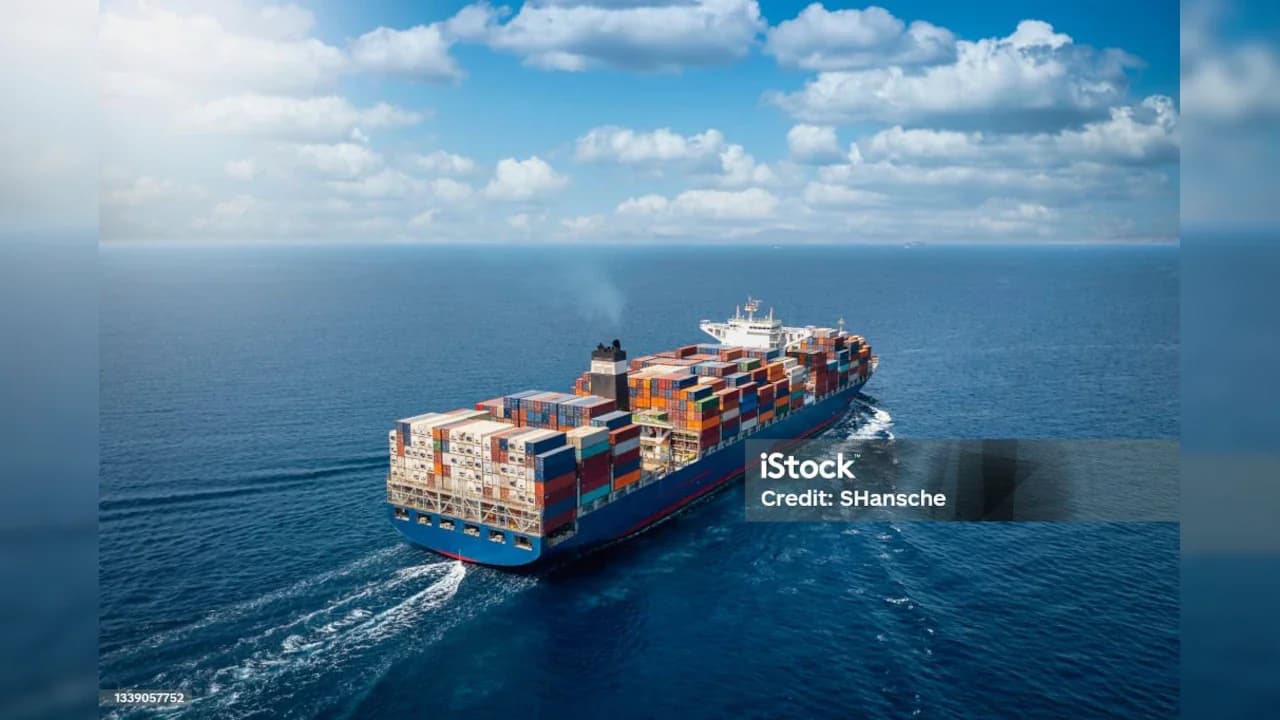
India's tanker exports experienced a dramatic transformation in the June quarter, surging more than six-fold to $1.36 billion compared to $221.1 million in the same period last year, according to commerce ministry data. This remarkable growth signals the country's expanding shipbuilding and maritime engineering capabilities. The export volumes also demonstrated significant expansion, rising from 10 vessels to 23 vessels during the April-June 2026-27 period, reflecting increasing international demand for Indian-built tankers and marine transportation assets. As per ETManufacturing, this explosion in tanker exports highlights India's increasing capabilities in the high-value shipbuilding sector, with tankers serving as cornerstone of global energy networks and industrial supply chains that safely distribute vital commodities including crude oil, petroleum products, chemicals, liquefied natural gas (LNG), and fresh water.
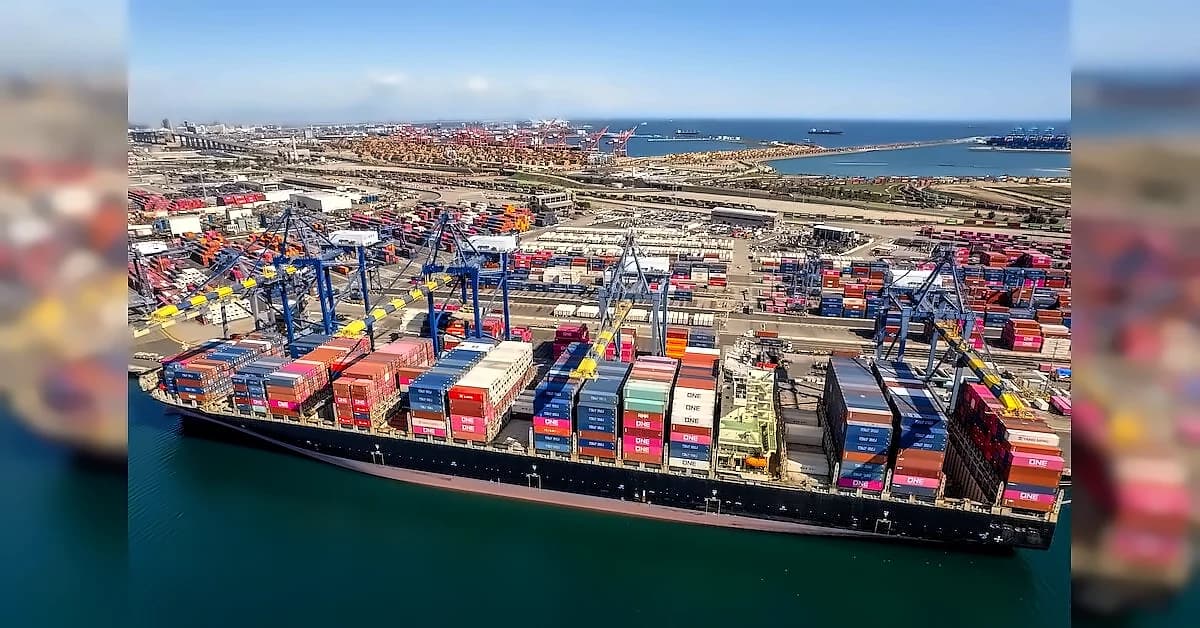
The United Arab Emirates emerged as the largest destination for Indian tanker exports, accounting for $900.8 million worth of tanker imports in the April-June 2026-27 period. As reported by the commerce ministry, shipments to the UAE increased dramatically from $103.6 million to $900.8 million, while the number of exported vessels rose from four to seven tankers. This substantial growth in the UAE market demonstrates the strong demand from energy and shipping sectors in the region. The diversification of export destinations indicates growing acceptance of Indian-built tankers across Asia, Africa and the Middle East, with strong demand from the UAE, Singapore and other maritime economies, coupled with rising vessel deliveries from Indian shipyards.
Singapore, one of the world's leading maritime hubs, became the second-largest destination with imports worth $146.4 million, representing a significant increase from $45.5 million in the corresponding quarter of the previous year. Export volumes to Singapore increased from two vessels to six, demonstrating India's growing participation in global shipping and logistics ecosystems. The Middle East continued to be a major growth region, with shipments to Oman increasing sharply from $28.6 million to $131.6 million, while exports to Saudi Arabia, which contributed $35.6 million in the previous year, highlight the region's continuing importance as a market for maritime assets. Together, Gulf economies accounted for a substantial share of India's tanker exports, reflecting strong demand from energy and shipping sectors across the region.
The diversification of export destinations indicates growing acceptance of Indian-built tankers across Asia, Africa and the Middle East. According to commerce ministry data, outbound shipments to Sri Lanka rose from $7.9 million to $56.5 million, while new shipments were recorded to Egypt ($39.3 million), South Africa ($34.2 million), Vietnam ($31.5 million), Indonesia ($12.2 million), and Mozambique ($7.7 million). Together, Gulf economies accounted for a substantial share of India's tanker exports, reflecting strong demand from energy and shipping sectors across the region. The growth in exports of tankers demonstrates the country's growing role in global maritime trade and commercial shipping, with tankers serving as cornerstone of global energy networks and industrial supply chains that safely distribute vital commodities including crude oil, petroleum products, chemicals, liquefied natural gas (LNG), and fresh water.