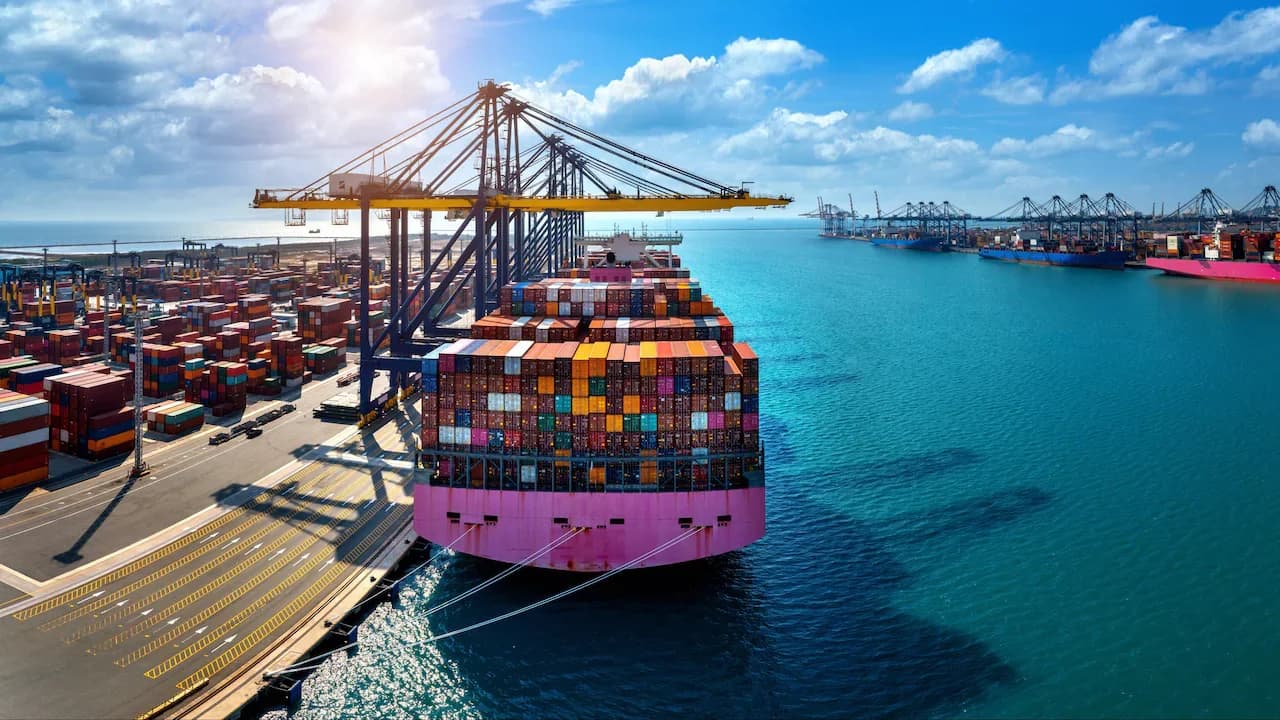
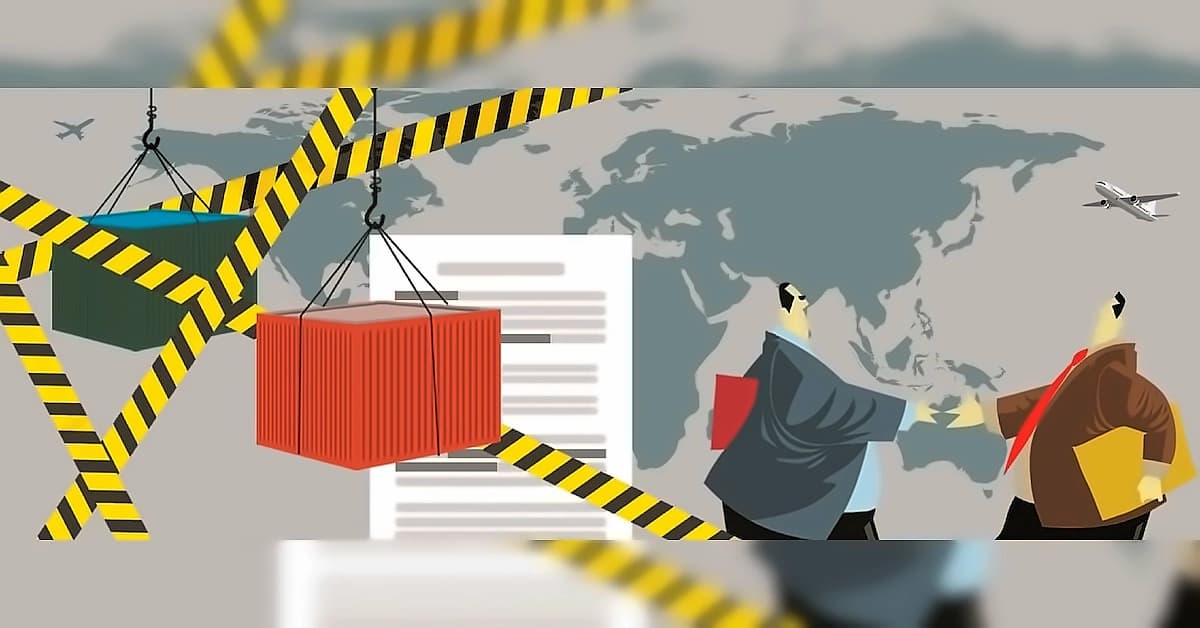
The World Trade Organization has issued its starkest warning yet about global trade disruptions, with Director General Ngozi Okonjo-Iweala declaring that "global trade policy and the WTO are experiencing the most serious and sustained disruptions since the multilateral trading system was created 80 years ago." As reported by ETCFO, the WTO warns that fragmentation along geopolitical lines could reduce global GDP by about five percent, while in a world where the WTO disappears and is replaced by a network of FTAs, the losses would be closer to seven percent. The warning comes as new tariffs and trade restrictions now cover 11 percent of global imports, representing the highest coverage in over 15 years. However, Okonjo-Iweala noted that "if members act purposefully to reinforce multilateral trade cooperation, safeguard what works, reform what doesn't, it could boost global GDP by roughly three percent."
India's growing economic influence is fundamentally reshaping how its trade policies are evaluated at the World Trade Organization. According to reports from Business Standard, Commerce Secretary Rajesh Agrawal acknowledged that with imports approaching $1 trillion, India has become "a dependable engine of global demand" and "a reliable net purchaser in international markets." The scale of international interest was evident during India's eighth Trade Policy Review in July, where the country received more than 1,090 written questions from 44 WTO members, while 68 delegations took the floor during the two-day meeting. The chairperson noted that members increasingly view India as an important pole of global demand, linking its rising bilateral trade with their own expanding economic engagement with the country.
The WTO chairperson Nella Pepe Tavita-Levy emphasized that some members regard India's development project as having "systemic significance" due to its size, growth and influence. As reported by Business Standard, she stated that "India's domestic choices increasingly affect global production, services trade, agricultural markets and the future balance of the multilateral trading system." The concern extends beyond policy space to how objectives are translated into trade measures, with members focusing on "transparency, proportionality, non-discriminatory character and consistency with international standards and WTO obligations." They pointed to issues including abrupt tariff changes, unexpected export restrictions, complex licensing requirements, lengthy investment approvals and wider regulatory uncertainty.
Agricultural policies emerged as the sharpest point of contention, with members questioning India's minimum support prices, input subsidies, public stockholding, tariff rate quotas, import licensing, and export restrictions on items like wheat, rice, sugar, and onions. According to Business Standard, Australia criticized that "the imposition of export restrictions and the irregular and varying application of tariff rates, combined with subsidized commodities entering global markets, disrupt the global agricultural trading environment." Brazil sought more transparency and predictability while requesting clarification on India's oilseed production program and WTO TBT Agreement compliance. The EU highlighted concerns about India's growing use of Quality Control Orders (QCOs) creating "burdenome conformity-assessment requirements based on domestic standards that deviate from internationally agreed standards."
India's resistance to newer WTO initiatives reflects its concerns about institutional fragmentation. As reported by Business Standard, India rejected calls to join the Multi-Party Interim Appeal Arbitration Arrangement, warning that "any alternative to a fully restored two-tier dispute settlement system carries real risk" and could become a de facto "new normal." On e-commerce, the US wanted India to support a permanent moratorium on customs duties on electronic transmission, while Australia urged reinstating the multilateral e-commerce work programme. Commerce Secretary Agrawal emphasized that India is not persuaded by the premise that the moratorium has driven digital trade growth, arguing that developing countries need "the full range of policy tools required to build their own digital futures."
Looking ahead, India's aspirations to become a $1 trillion exporter of goods and services this financial year FY27, double that amount by FY30, and ultimately become a high-income country by 2047 will intensify global scrutiny of its trade policy choices. According to Business Standard, the tension lies not between openness and protectionism but between the policy flexibility India wants to retain and the predictability that trading partners increasingly expect from a country of India's scale. India's Atmanirbhar Bharat strategy is described as "not a retreat into protectionism" but a development-oriented strategy intended to build domestic capacity and strengthen supply chain resilience while integrating more deeply into global value chains.