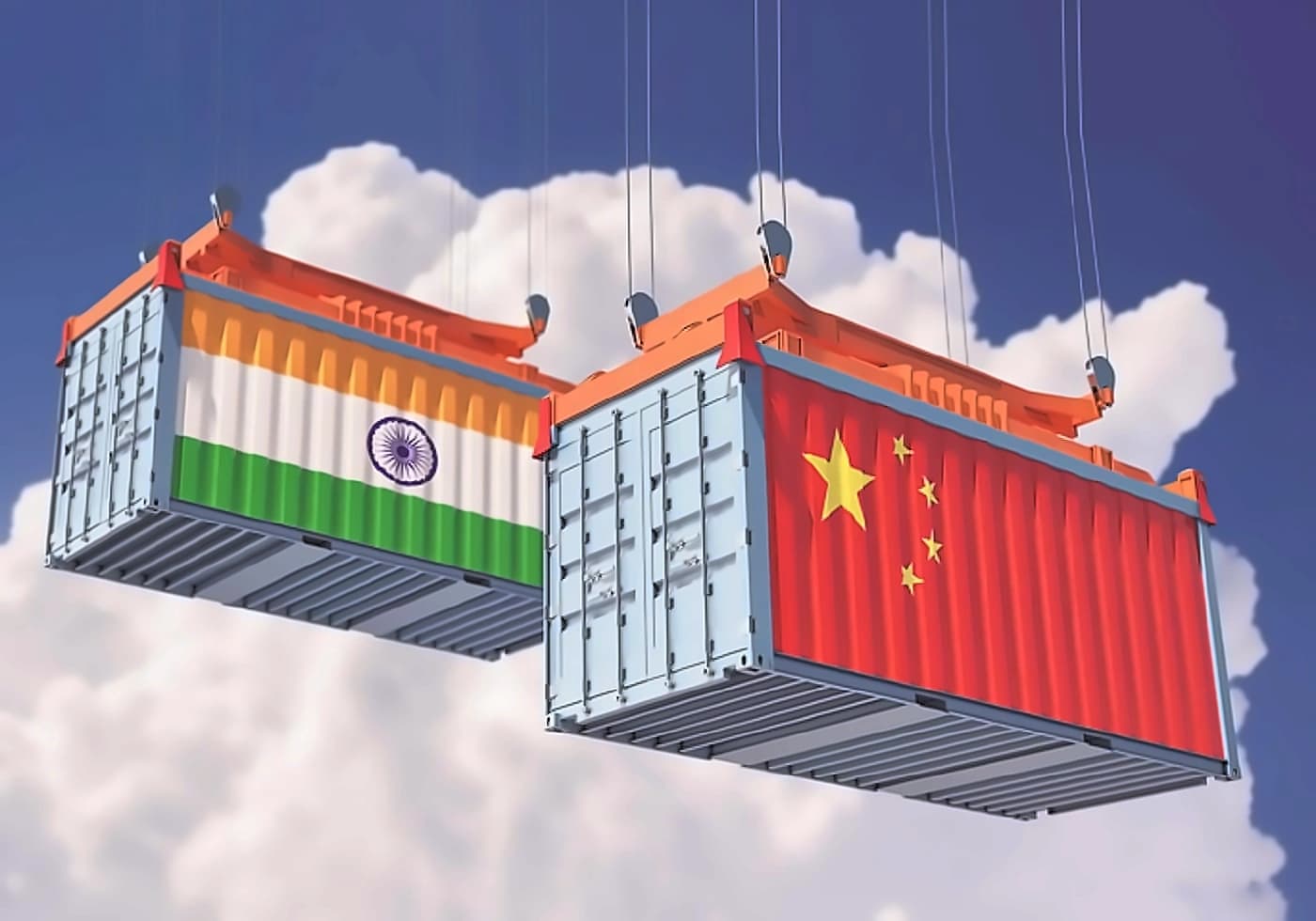
India's export diversification strategy has proven effective in mitigating the impact of the West Asia war, according to reports from Business Standard. The country's total merchandise exports rose by 9.73 per cent during the April-June period, demonstrating resilience despite challenging geopolitical conditions. This growth was achieved despite significant declines in shipments to the West Asia region, highlighting the success of India's diversification efforts.
The West Asia region experienced a 21.74 per cent decline in exports during March-June due to the ongoing war, as reported by Business Standard. India's largest export market after the US and the biggest market in West Asia, the UAE, suffered the most significant impact with exports declining by 25.54 per cent year-on-year during the same period. The decline was particularly pronounced in specific sectors including chemical products, ready-made garments, agricultural goods, and gems & jewellery to the UAE. The conflict escalated significantly when Iran declared the Strait of Hormuz closed to commercial shipping on 4 March 2026, disrupting approximately 20% of globally traded oil and substantial volumes of liquefied natural gas.
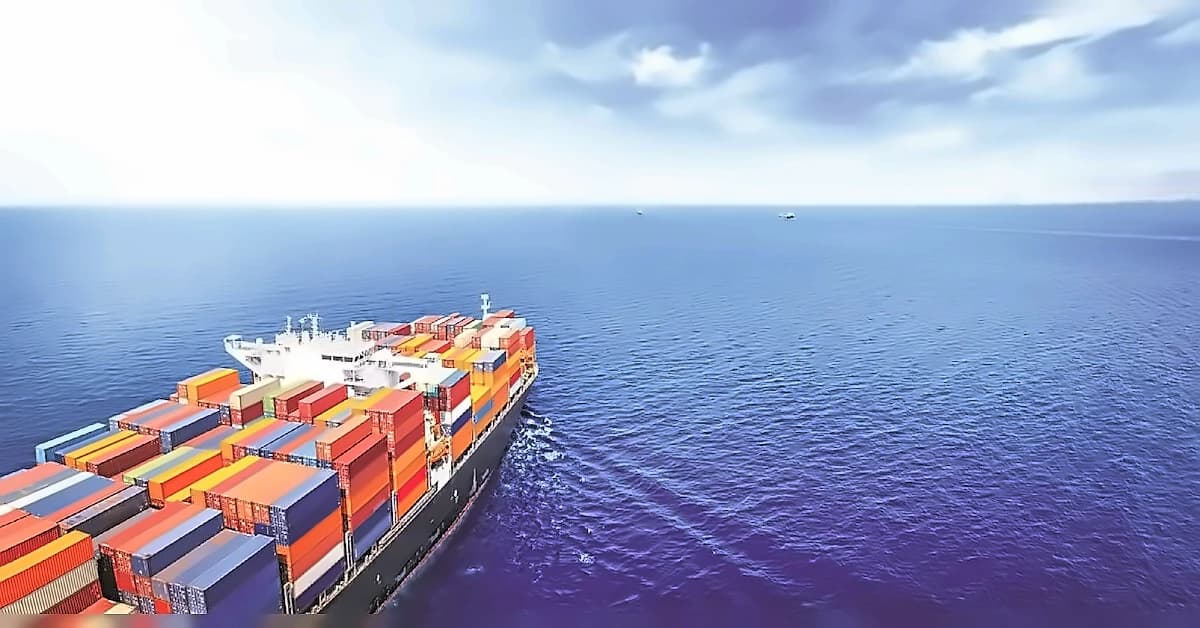
India successfully diversified its exports to China and Hong Kong, which emerged as the top destinations for India's diversified shipments, according to Business Standard reports. This strategic pivot helped offset the decline in traditional West Asian markets and contributed to the overall positive export performance during the challenging period. The diversification strategy proved particularly crucial as the Strait of Hormuz closure affected 84% of crude and LNG destined for Asian markets, with China, India, Japan, and South Korea as primary recipients.
The geopolitical tensions created significant market volatility, with Brent crude surging more than 55% to a peak of nearly $120 per barrel from around $72 at the end of February, according to Business Standard. The closure of the Strait of Hormuz, described by the International Energy Agency as the "greatest global energy security challenge in history," led to immediate disruptions with traffic dropping to near zero. Jet fuel in North America spiked nearly 95%, prompting major airlines to impose fuel surcharges on passengers. The IEA's 31 member states unanimously agreed to release 400 million barrels of emergency reserves in response to the market disruption.
The export recovery showed positive momentum with exports to the UAE normalising in July, registering 10.15 per cent year-on-year growth, as reported by Business Standard. This recovery indicates that the initial disruption from the West Asia war has begun to stabilise, though the diversification strategy continues to provide a buffer against future geopolitical uncertainties in the region. The fragile ceasefire continues to hold with a 60-day memorandum of understanding reached on 25 May, though the Strait remains closed to commercial traffic and energy markets remain highly volatile despite some diplomatic progress.