A complaint has been filed by the Southern Shrimp Alliance (SSA) against Indian seafood exporter Nekkanti Sea Foods, alleging the company uses exploitative labour practices to reduce production costs and compete with domestic producers. According to reports from Business Standard, the SSA represents domestic shrimp fishermen and processors across eight states, including Louisiana, and has approached federal trade regulators seeking action under Section 337 regarding forced labour issues. A source at Nekkanti told Business Standard that the company was following all norms and regulations, stating there was a labour shortage at grassroots level and strict labour laws in India.
The dispute could significantly impact India's seafood exports to the US market, with trade and industry experts warning that the complaint may cast a shadow on around 35% of India's total marine exports to the US. As reported by Business Standard, the three top Indian shrimp exporters - Devi Seafoods, Sandhya Aqua and Nekkanti - clock annual exports of around ₹1,500 crore each. India exported around 1.97 million tonnes of seafood valued at ₹73,890.46 crore ($8.46 billion) during FY 2025-26, an all-time high in both volume and value despite global challenges. Frozen shrimp remained the leading product, generating ₹49,037.93 crore ($5.62 billion), accounting for 40.19% of total quantity and 66.52% of total US dollar earnings from seafood exports.
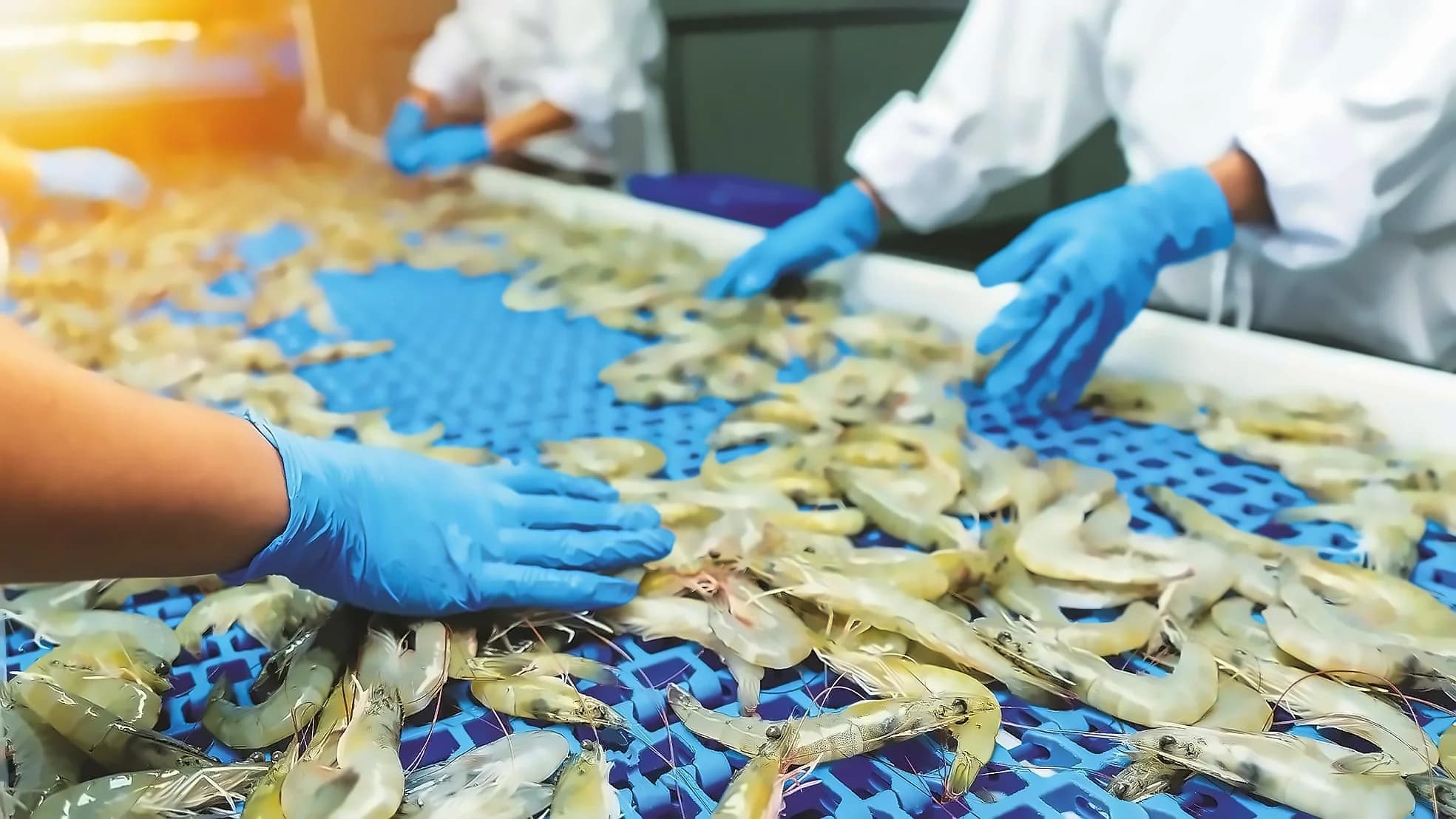
The Seafood Exporters Association of India (SEAI) has strongly rejected the allegations, with president Pawan Kumar stating that the Southern Shrimp Alliance is trying to tarnish the image of Indian exporters in the US market. According to Business Standard, Kumar emphasized that all Indian factories undergo stringent audits including social audits and factory audits, with companies required to display or produce documentation demonstrating social compliance. When supplying to major retailers like Walmart, Kroger, Safeway, Cisco and Costco, factories face extensive scrutiny with auditors checking individual employee details including provident fund and ESI records, with random verification of 10 employees during audits.
The case is based on a report by Corporate Accountability Lab, a non-profit organization serving as co-counsel for the shrimpers, which cited labour practices in India's shrimp industry including debt bondage, recruitment fees, withheld wages and severe restrictions on workers' movements. As reported by Business Standard, the industry body explained that around 70% of the workforce comprises women, with safety concerns leading to advice against leaving factory premises after dark due to remote facility locations. The industry defended cultural practices, noting separate accommodation for men and women with security arrangements similar to educational institutions, stating these measures prevent men from entering women's residential quarters.