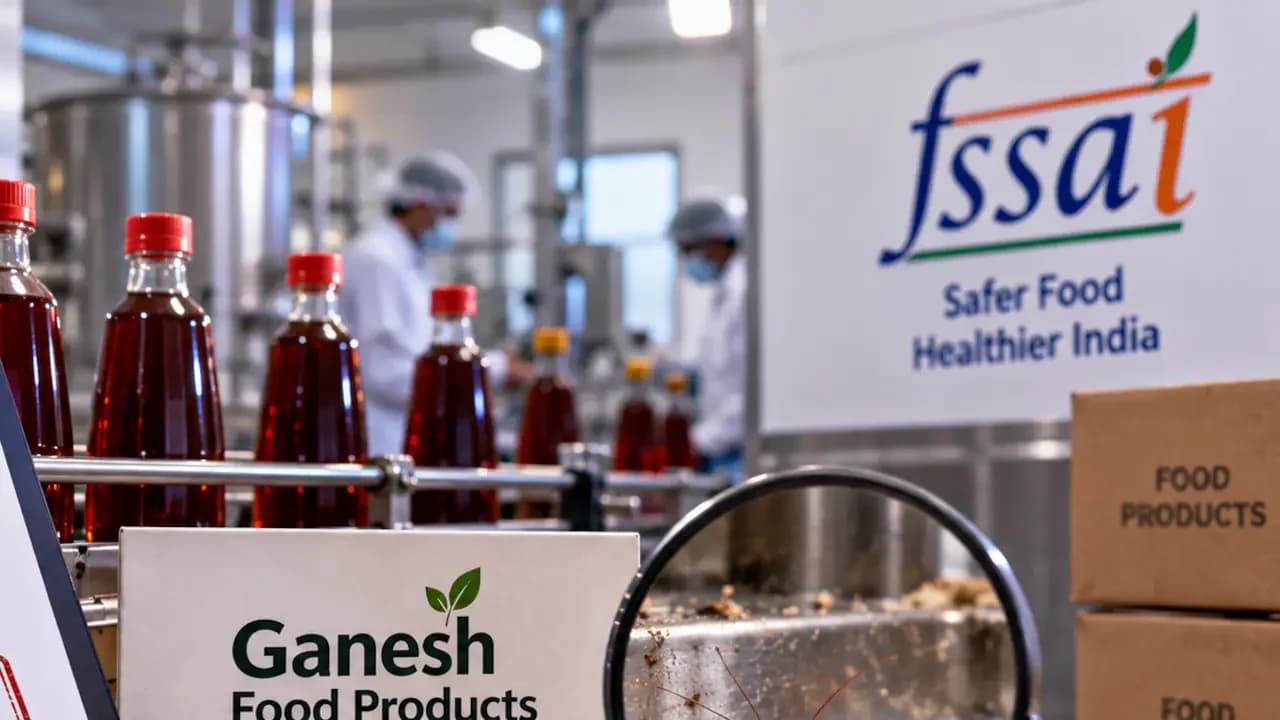
The Food Safety and Standards Authority of India (FSSAI) has ordered M/s CG Foods India Pvt. Ltd. to stop producing veg bhujia products following an inspection that identified significant hygiene and licensing violations. According to FSSAI, the enforcement action was initiated after the company was found re-processing floor-collected and broken noodles into bhujia products without proper heat treatment, which represents a serious food safety concern. The regulator has directed the food business operator to discontinue the production of veg bhujia namkeen products until the required approvals and corrective measures are in place, with further regulatory action to be taken based on inspection findings. The inspection was conducted at the company's facility in Roopnagarh, Ajmer, Rajasthan, to verify compliance with food safety, manufacturing and hygiene requirements. In a social media post, FSSAI informed that it has initiated enforcement action against CG Foods India Pvt Ltd in view of "unsafe processing, unlicensed bhujia manufacturing, and predated packaging" violations.
During the inspection, 32,107.2 kg of stock was seized, including loose broken noodles, according to FSSAI. The regulator found that the unit was re-processing floor-collected and broken noodles into bhujia products without heat treatment, which represents a significant food safety concern. Additionally, FSSAI identified the unlicensed manufacturing of 'Wai-Wai MaMa' and 'Wai-Wai Mama Punte' bhujia variants, which violates Section 31(1) of the Food Safety and Standards Act, 2006. The inspection also revealed the use of packaging carrying dates that predated the actual production, further compromising food safety standards. As per ETRetail, the food watchdog seized over 32,000 kg of stock on-site, including loose broken noodles, during the enforcement action. The regulator collected samples for laboratory analysis and detained 1,925 boxes of expired finished goods during the inspection. According to Reuters, the findings explain why authorities ordered production stopped at the company's Rajasthan unit, with inspectors specifically noting that the material was reused without heat treatment.
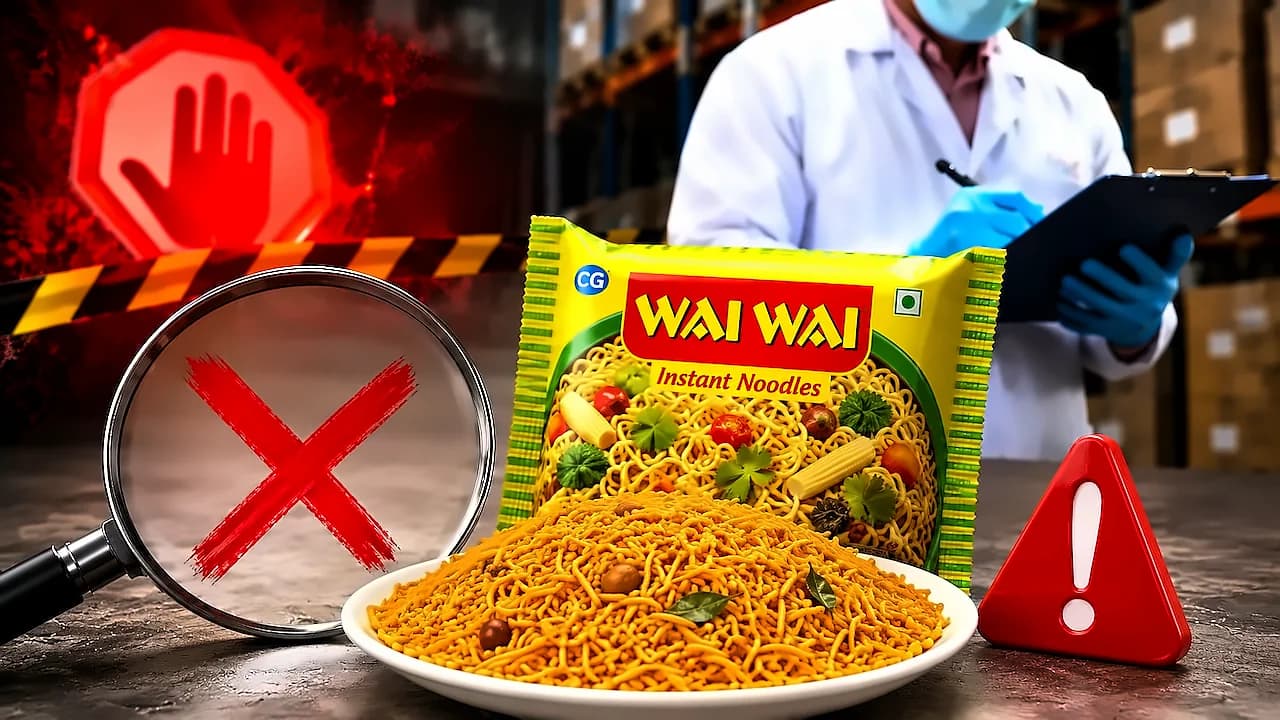
The inspection revealed several hygiene and documentation deficiencies, including inadequate pest-control records and other shortcomings related to food hygiene and safety, as reported by FSSAI. Officials collected several regulatory samples for laboratory analysis, including loose noodle material, both varieties of veg bhujia, used cooking oil from the frying line and 'Wai-Wai Ready to Eat Noodles'. 1,925 boxes of expired finished goods were also detained during the inspection, demonstrating the widespread nature of compliance issues at the facility. According to ETRetail, the inspection revealed several hygiene and documentation deficiencies, including inadequate pest-control records and other deficiencies relating to food hygiene and safety. The regulator has initiated strict legal proceedings against the company and warned of further regulatory action based on laboratory analysis and inspection findings.
The violations have international implications, with Canadian officials now assessing potential risks to their country's food imports, as reported by The Economic Times. However, they have no current information indicating these products entered Canada. The food safety crackdown is driving significant changes across India's food industry, with restaurants and food delivery platforms tightening checks on ingredients, suppliers, hygiene and staff training. QSR and fine-dining chains are strengthening vendor audits and kitchen controls, while quick commerce firm Zomato has warned of strict action against restaurants using items such as analogue paneer amid growing regulatory and public scrutiny. In a significant regulatory move, the Maharashtra FDA has suspended food licenses for a Blinkit center and two popular Mumbai restaurants after uncovering critical hygiene and safety failings, including food stored dangerously close to drains and a concerning presence of cockroaches. Last week, Indian authorities raided an illegal operation in Mumbai that faked expiry dates and nutritional information on original food products manufactured by PepsiCo, Nestle and others so they could be exported to other countries, as reported by Reuters.