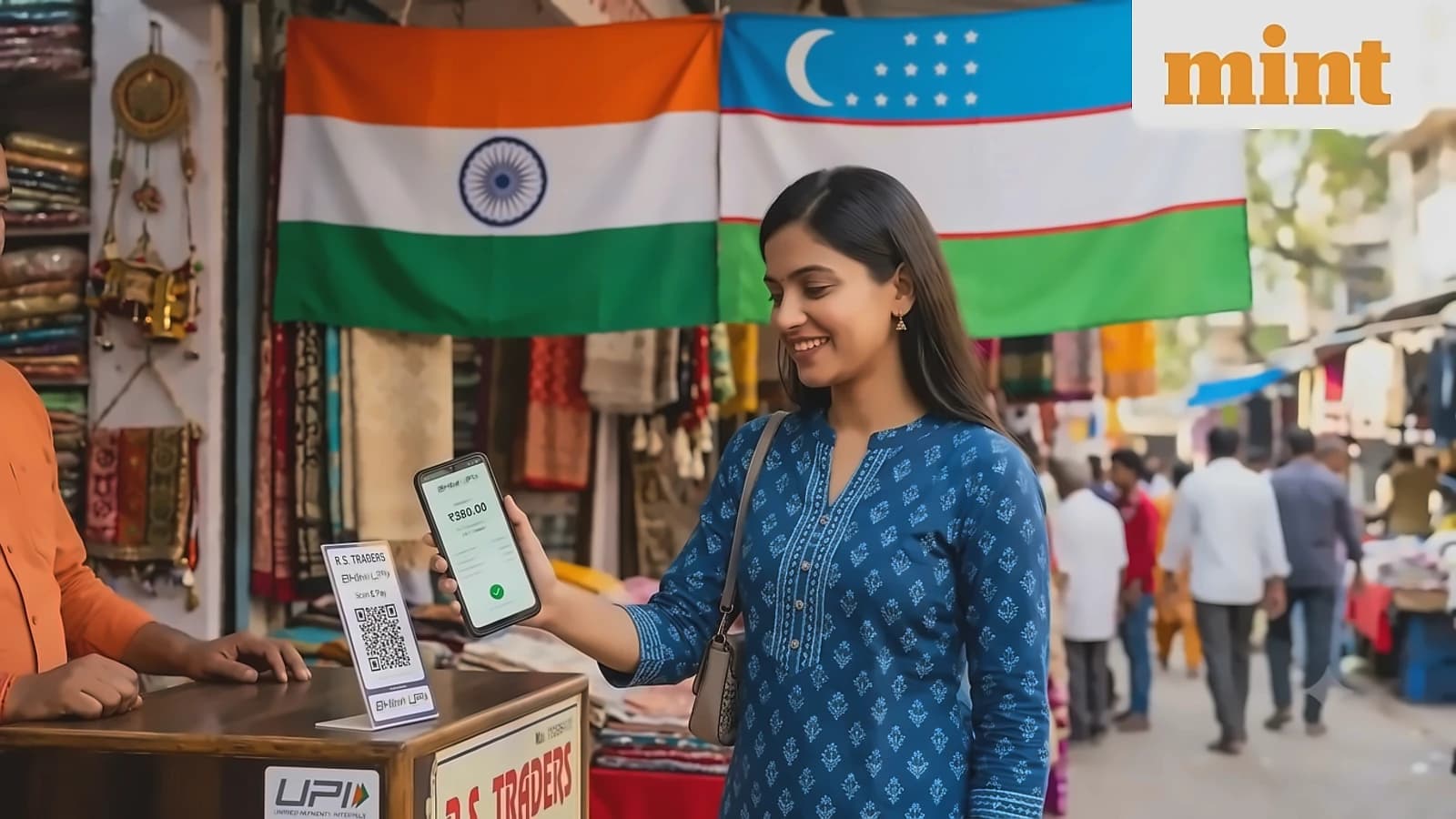
India and Uzbekistan should aim to double bilateral trade to around $3 billion within the next three years, according to Commerce and Industry Minister Piyush Goyal. Speaking at the India-Uzbekistan Business Forum meeting, Goyal emphasized that trade must lead from the front to boost economic ties between the two countries. The current two-way commerce stands at around $1.5 billion, with merchandise trade in FY26 reaching approximately $672.5 million. Goyal's remarks come weeks after India and Uzbekistan agreed at the 14th Session of the India-Uzbekistan Intergovernmental Commission to work towards doubling bilateral trade within three years by addressing non-tariff barriers and expanding cooperation in sectors including pharmaceuticals, medical devices, automobiles and machinery. As reported by ANI News, Goyal issued a direct mandate to the corporate sector to elevate this figure to a minimum of $3 billion within a 36-month window, describing the current bilateral trade volume as artificially suppressed given their respective economic trajectories.
Goyal highlighted complementary strengths between the two nations, noting that India is strong in IT, skilled workforce, and digital public infrastructure, while Uzbekistan offers opportunities in mining and cotton production. The minister called upon businesses from both sides to invest in each other's economies, with particular focus on sectors such as mining, pharma, healthcare, and auto manufacturing. On the possibility of a trade pact, Goyal said "That is a promising idea. We can look at that." As reported by ANI News, Goyal's economic thesis rests on the concept of perfect industrial synergy, declaring that "They have complementary strengths to India, we hardly compete in any area." This structural reality allows for friction-free integration, with Uzbekistan requiring immense capital, digital infrastructure, and advanced manufacturing know-how, while India possesses a desperate need for the critical minerals, uranium, and energy resources that Uzbekistan holds in global abundance.
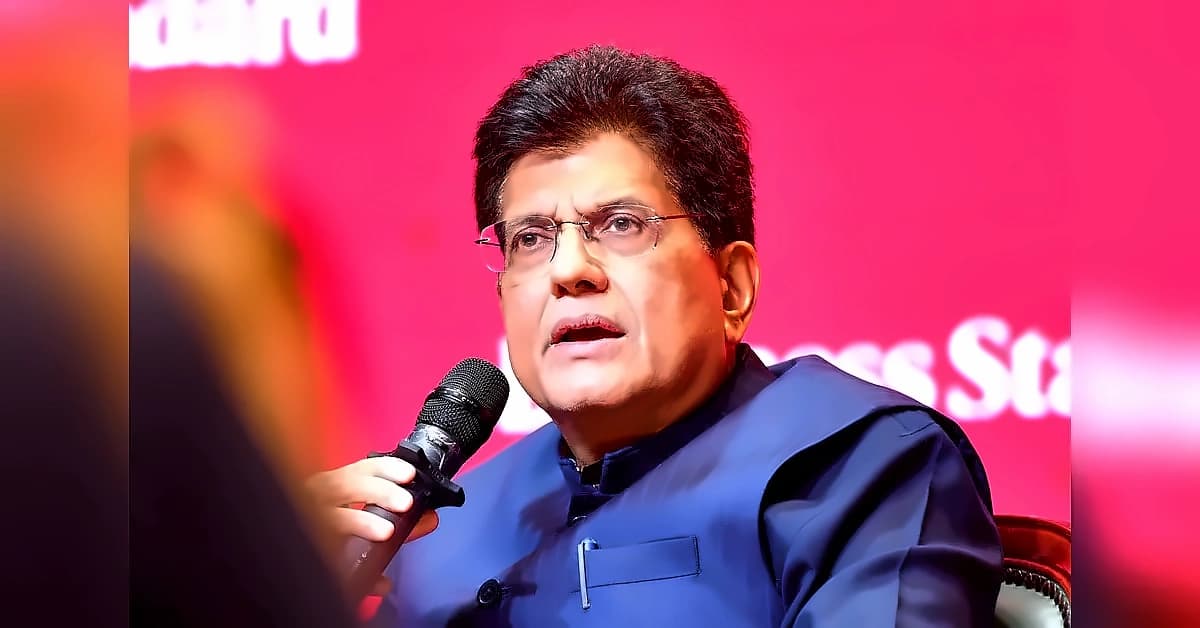
According to the latest reports, about 400 Indian companies are currently operational in Uzbekistan, providing a solid foundation for expanded economic cooperation. Uzbekistan's Minister of Investment, Industry and Trade Laziz Kudratov noted that bilateral trade grew 30% last year to cross $1.3 billion for the first time, expressing confidence that it would reach $2 billion next year before expanding to $3-5 billion in the coming years. Kudratov specifically sought Indian investments in sectors including steel, pharma, healthcare, mining, and auto, while also inviting Indian companies to expand fertiliser manufacturing, set up pharmaceutical and vaccine production facilities, and participate in renewable energy projects as the country aims to raise the share of renewables in its energy mix to 54% by 2030. Kudratov noted that around 400 Indian companies already operate in Uzbekistan, with a joint project pipeline exceeding $5 billion.
Speaking at the forum, Uzbekistan's Minister of Investment, Industry and Trade Laziz Kudratov invited Indian companies to invest in the country's mining and metallurgy sector, highlighting reserves of gold, copper, uranium, critical minerals and rare earth elements. "We are top 10 globally in terms of gold, copper, uranium deposits. We have almost all types of critical minerals and rare earth elements," Kudratov said. He expressed willingness to discuss bringing Indian technologies, know-how, and capital to develop steel production, deep processing of copper, and rare earth metals. The minister also identified chemicals, renewable energy, pharmaceuticals and automobiles as priority sectors for deeper collaboration, with particular emphasis on localising production of components and industrial equipment in the automotive sector. By establishing manufacturing hubs in Uzbekistan, Indian firms gain immediate, tariff-preferential access to the sprawling markets of the Commonwealth of Independent States (CIS) and Eastern Europe.
Earlier this year, the two sides identified pharmaceuticals, agriculture, engineering goods, electronics, healthcare services, ICT and critical minerals among key areas for expanding economic cooperation. Kudratov noted that around 400 Indian companies already operate in Uzbekistan, with a joint project pipeline exceeding $5 billion. The minister emphasized that the current bilateral trade is far below the potential and called for both sides to work together to push it up, with particular focus on sectors including steel, pharma, healthcare, mining, and auto where Indian expertise can complement Uzbekistan's natural resources and industrial capabilities. As reported by ANI News, the consensus at the business forum was clear: the rhetorical friendship between India and Uzbekistan is rapidly materializing into a heavily capitalized, globally ambitious economic engine. To execute Goyal's vision of capturing global markets, both nations must rapidly optimize their logistics networks, heavily relying on the International North-South Transport Corridor (INSTC) and enhanced air cargo capacities to bypass turbulent regional chokepoints. The consolidation of an India-Uzbekistan trade axis represents a significant geoeconomic shift with global ramifications.