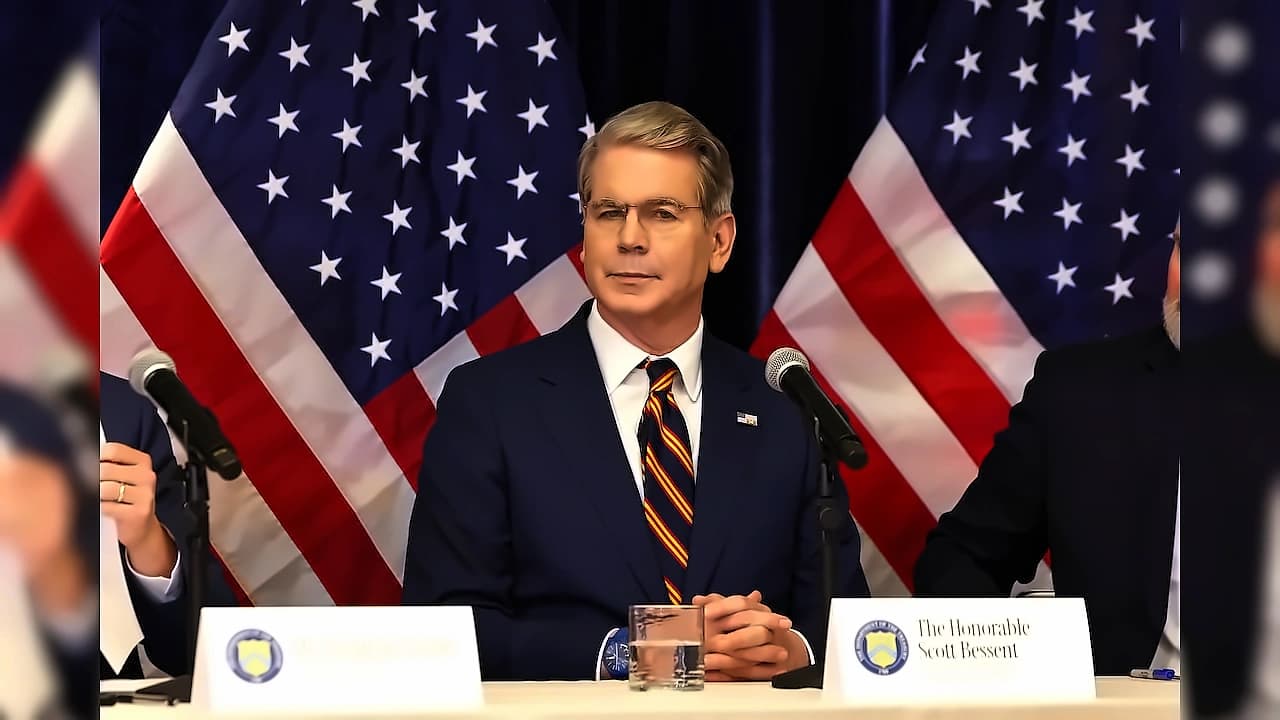
India and the US are in the final stages of trade deal negotiations with a July 24 deadline looming, according to The Economic Times. While both sides have expressed optimism about progress, experts believe there is a 10% chance of missing the deadline, which would revert talks to Most Favoured Nation (MFN) tariffs and potentially stall market access discussions. Trade expert Abhijit Mukhopadhyay from CRF warned that failure to meet the deadline could result in the restoration of existing MFN tariff structure, with the possibility of additional tariffs being imposed under Section 301. The approaching deadline has created increased concern on the Indian side rather than the American side, as reported by The Economic Times.
Section 301 of the US Trade Act remains one of the most sensitive aspects of the negotiations, as noted by trade expert Abhijit Mukhopadhyay from CRF speaking to ET Now. "No country, including India, will want a deal that has the provision to revert back to the status quo," Mukhopadhyay explained. India is expected to remain cautious about any agreement that allows the United States to restore previous tariff arrangements or invoke broad trade measures under Section 301, which could create uncertainty even after a trade pact is signed. The administration is rushing to replace the baseline 18% tariff rate that was agreed upon in the initial framework with specific tariffs under Section 301 of the US Trade Act of 1974, with Washington having launched investigations into 16 countries, including India, for "excess capacity and production" in manufacturing.
The framework for the trade pact was finalized before the US Supreme Court ruled in February that Trump's previous tariff policy was unlawful, according to Goyal's remarks at a press briefing. This timing suggests that the legal uncertainty surrounding US trade policies may have influenced India's negotiating position, as reported by ANI. The framework's completion preceded the recent legal developments that could impact future trade relations between the two countries. India and the US have finalised the framework of their proposed trade agreement, as confirmed by Goyal's latest statements. The framework's readiness comes as India is set to welcome US Trade Representative Jamieson Greer on June 23-24 to finalise terms of the deal, according to Reuters.
Indian Prime Minister Narendra Modi met with US President Donald Trump for their first in-person talks in more than a year earlier this month, as reported by ANI. During their meeting on the sidelines of the Group of Seven summit in France, both leaders struck an upbeat tone as they sought to turn the page on recent strains stemming from trade and other disputes. Trump said the US and India were "very close" to finalizing a trade agreement, highlighting the personal rapport between the leaders and touting progress in negotiations. US Ambassador Sergio Gor expressed confidence that the deal was nearing completion, stating at Citi's India Conference that only a small portion of negotiations remained unresolved and that both sides were working to get the agreement "across the finish line."
While US and Indian officials have repeatedly signaled that a deal was within reach, negotiations have dragged on amid disputes over tariffs, market access and protections for politically sensitive sectors, according to ANI reports. The unresolved issues include duties that need to be lower compared to those of competing nations, as stated by Goyal. India's negotiators should recognise the altered environment and push for a lower base rate in the final agreement that reflects the need to maintain comparative advantage. Indian officials should examine tactics used by other nations, such as the European Parliament's insertion of a "sunset clause" into the EU's agreement with the US, which requires assessment of the deal's effects by mid-2029, potentially allowing for renegotiation if there is a more reasonable occupant of the White House. With both governments signalling that talks are nearing completion, businesses and investors will closely watch the outcome over the coming weeks as the July 24 deadline approaches.