The India-UK Comprehensive Economic and Trade Agreement, which officially came into force on Wednesday, removes or reduces tariffs on 99% of Indian exports to the UK and 90% of UK imports into India. According to the British government, the FTA is expected to increase the UK's GDP by 0.13%, equivalent to £4.8bn ($6.4bn), while India's GDP is projected to grow by 0.06%, or £5.1bn per year in the long run. As reported by The Economic Times, the agreement aims to significantly boost bilateral trade between the two nations, with overall bilateral trade expected to increase by 15% every year, higher than the current growth rate of 10-12%. The agreement, signed in May after more than three years of negotiations, is India's most significant trade deal with the UK and provides regulatory certainty for Indian service providers across various sectors.
British car majors, including JLR and McLaren, have announced steep reductions in prices as the India-UK Comprehensive Economic and Trade Agreement (CETA) kicked on Wednesday. JLR India was the first to announce price cuts on select UK-built Range Rover models, reducing the price of UK-built Range Rover SV by ₹75 lakh to ₹3.5 crore, while the Range Rover Sport SV became ₹40 lakh cheaper at ₹2.4 crore. The price cuts are limited to vehicles imported from the UK, with Defender and Discovery remaining unaffected as both models are manufactured at JLR's Slovakia plant and therefore do not qualify for the tariff concessions. McLaren is reportedly looking to significantly rework its India pricing, with industry estimates suggesting the British supercar maker could cut prices across its portfolio by nearly 38%. However, the rupee's 12% depreciation against the pound over the past year has made imports costlier, making it challenging for brands to pass on the entire benefit of duty cuts to consumers.
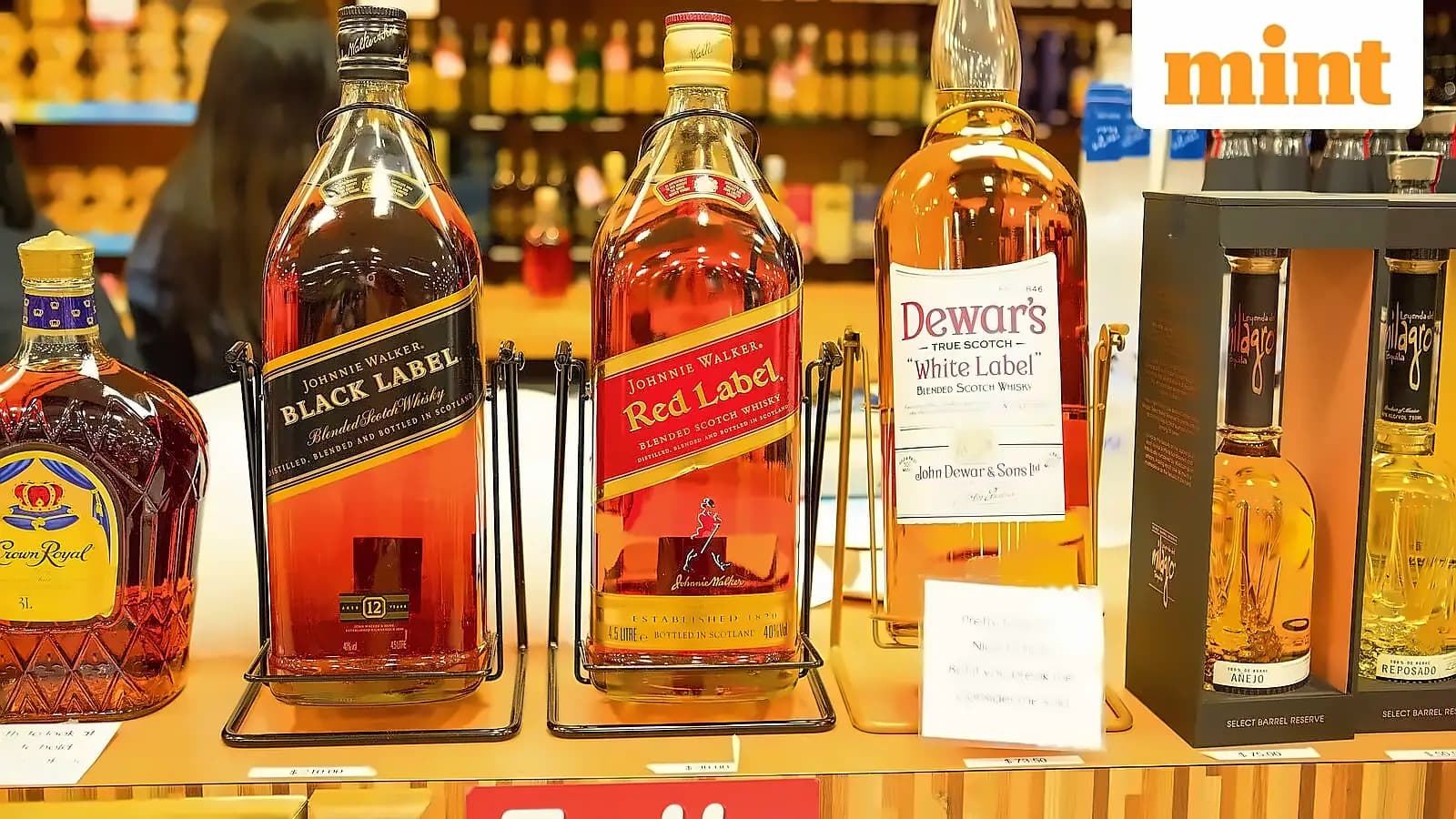
The India-UK free trade agreement immediately halves import duties on Scotch whisky and gin to 75% from 150%, with tariffs set to fall further to 40% over the next decade. However, filing and clearances from state excise departments are expected to take at least a month, meaning consumers will have to wait before seeing price reductions. According to The Times of India, the price cuts will be ₹350-400 a bottle in case of imported blended whisky that costs around ₹3,000, while for Indian-made blended whisky, known as IMFL, reduction may be by ₹50-60 a bottle. Close to 80% of India's whisky imports from the UK are used for blending locally-produced whisky, making the impact significant for the domestic industry. As per ISWAI, the tariff rationalisation is expected to result in a limited price reduction of around 12-13%, provided the benefits are passed on to consumers. However, the rupee's depreciation against the pound has made it difficult for brands to pass on the full benefit of duty cuts to consumers.
India is one of the world's largest whisky markets, with approximately 259 million nine-litre cases sold annually as of 2024, according to the Confederation of Indian Alcoholic Beverage Companies. Whisky accounts for about two-thirds of India's consumer spirits market. As reported by Mint, imported spirits volumes grew at a compound annual rate of 16% between 2019 and 2024, and IWSR expects India to become the world's largest Scotch whisky market by 2027, with Scotch volumes forecast to grow 7% annually between 2024 and 2029. The agreement aims to foster greater investment and economic cooperation, with businesses anticipating increased opportunities across various sectors. British cosmetics brand Lush has paused a planned price hike due to currency depreciation and will be reducing prices in categories where duty benefits are most significant, such as shower gels and soaps, according to Vishal Anand, founder & CEO at Bilberry Brands.
Despite the positive prospects, several challenges remain in implementing the full benefits of the FTA. As reported by Global Trade Research Initiative (GTRI), India exported $13.4bn worth of goods to the UK in FY 2025-26, yet more than half entered duty-free under the most favoured nation regime. On the import side, India imported $11.7bn from the UK, with over 45% consisting of silver, which remains on India's exclusion list. According to GTRI, the real test will be whether products previously facing UK tariffs of 4-16% see higher export orders and better profit margins. The FTA's impact is expected to become visible over the next one to three years, with the earliest impact anticipated in Karnataka, followed by Maharashtra, Andhra Pradesh and Delhi. Kindlife is currently working with 12 UK brands spanning clinical skincare, targeted body care and wellness, all gearing up to launch in India over the next two to three quarters, with most brands targeting the price range of ₹700-1,500. Experts caution that quality standards and non-tariff barriers remain crucial for export success.