India and the UK have agreed to exchange data annually on the utilisation of tariff concessions under their Comprehensive Economic and Trade Agreement (CETA), as both countries seek to ensure smoother implementation of the trade pact and help more businesses, particularly small and medium-sized enterprises, benefit from it. The decision was taken at the 16th meeting of the India-UK Joint Economic and Trade Committee (JETCO), held in New Delhi on October 12, where Commerce and Industry Minister Piyush Goyal and UK Secretary of State for Business, Innovation and Science Jonathan Reynolds reviewed progress since the agreement came into force on July 15, 2026. The exercise will begin one year after the agreement's entry into force and will track how frequently businesses claim preferential tariffs and incorporate feedback on implementation challenges, helping both governments identify areas where additional support is needed. As per the Ministry of Commerce & Industry statement, "We agreed that we will exchange data annually starting one year after the date of entry into force of the CETA on how businesses are using the agreement. This will include data on how often businesses claim CETA's lower tariffs, alongside business feedback on what is working well and where further support is needed. This will give us a shared picture of priorities and show where we can help more companies, especially small and medium-sized businesses, take advantage of the agreement."
The CETA, a free trade agreement, came into force on July 15, 2026, significantly boosting bilateral trade between the two nations. Under the agreement, 99% of Indian goods can enter the British market duty-free, while 90% of UK goods enter India either duty-free or at reduced tariffs. The agreement is benefiting several sectors on both sides, including automotive, manufacturing, consumer goods, creative industries and medical technology. On the day the agreement came into force, Indian exporters dispatched more than 50 consignments to the UK, including electronics such as smartphones, electrical machinery, mechanical machinery including turbojets, gold jewellery, ready-made garments, woollen yarn, tea and coffee. The pact grants duty-free entry of 99 per cent of Indian goods into the British market, while 90 per cent of UK goods are entering India either duty-free or at reduced tariffs. The first shipment of Joha rice, a distinctive regional variety from Assam, also reached the UK under the agreement, highlighting the agreement's potential for regional specialties. The first Certificates of Origin under the CETA were also issued through India's eCoO 2.0 platform on a self-certification basis, facilitating exporters' access to preferential treatment from the outset.
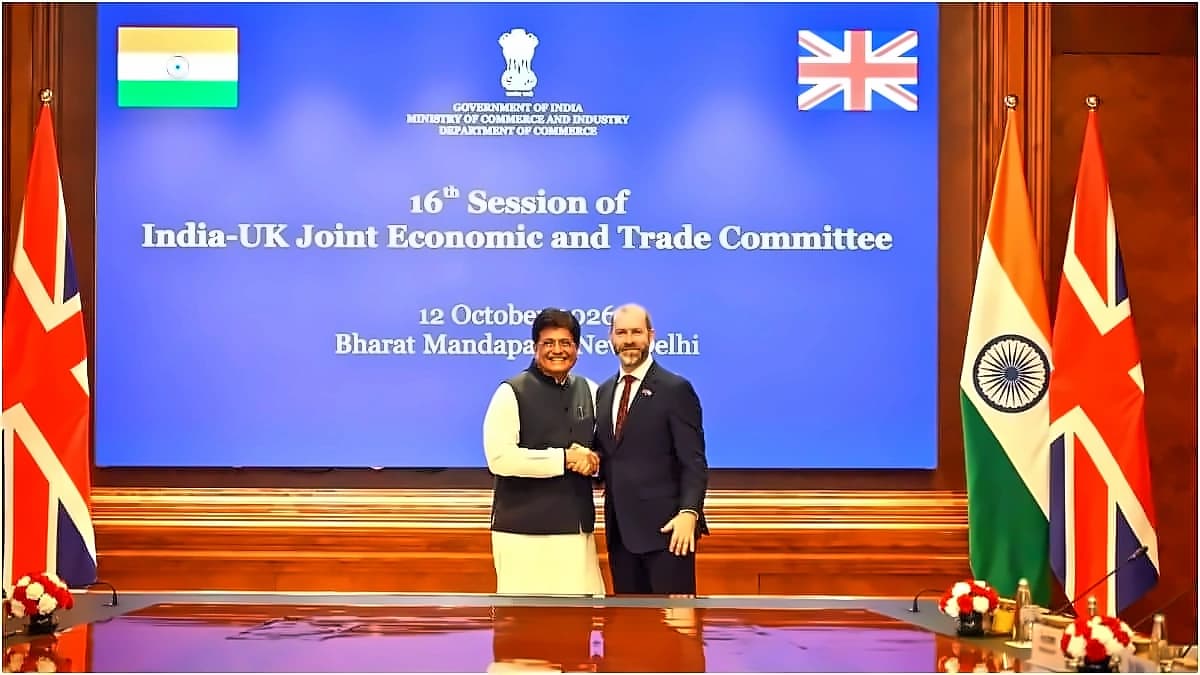
The joint statement highlighted significant early trade gains under the agreement. The first tariff-free Scottish salmon shipment from the UK reached India within a fortnight of the pact's implementation, with several thousand kilograms exported since then. Scotch whisky has also entered the Indian market at reduced tariffs, while the first cars exported under the tariff-rate quota have cleared customs and been imported into India. On the day the agreement entered into force, Indian exporters sent more than 50 consignments to the UK, including electronics such as smartphones, electrical machinery, mechanical machinery including turbojets, gold jewellery, ready-made garments, woollen yarn, tea and coffee. The meeting coincided with a visit by seven mayors and a combined authority leader from northern England, highlighting the role of regions and cities in strengthening trade, investment and innovation links. Commerce and Industry Minister Piyush Goyal and UK Secretary of State for Business, Innovation and Science Jonathan Reynolds chaired the meeting.
The two countries have agreed on a comprehensive plan to ensure the smooth functioning of CETA, including establishing committees and working groups and confirming government-to-government contact points for every part of the agreement. They further agreed to deepen cooperation in services, innovation, government procurement, science and technology, and gender-related issues, while promoting greater business-to-business engagement and stronger regional partnerships. The two sides also agreed to establish committees, working groups and government-to-government contact points for different provisions of the pact, with officials tasked with resolving emerging issues quickly. The 17th meeting of JETCO will be held in the United Kingdom in 2027, as per the joint statement. As per the statement, "We also agreed a plan to ensure the continued smooth operation of CETA, including establishing its committees and working groups and confirming government-to-government contact points for every part of the agreement."
The 16th JETCO meeting marked a significant milestone as it was the first JETCO since negotiations started in January 2022 for the India-UK Comprehensive Economic and Trade Agreement (CETA). The meeting assumed greater significance as it coincided with the visit of seven mayors and a combined authority leader from the North of England, supported by parallel visits by the UK's Secretaries of State for Scotland and for Environment, Food and Rural Affairs. The discussions reflected the growing ambition and breadth of the India-UK partnership, with both countries recognising the contribution that states, regions and cities make to strengthening trade, investment, innovation and people-to-people links. The meeting welcomed the strong industry engagement accompanying the JETCO and recognised the value of continued business-to-business interactions, sectoral roundtables and stakeholder engagement in identifying opportunities and implementation challenges. Both countries agreed to continue drawing on feedback from businesses, industry associations, export promotion bodies and other stakeholders to identify and address CETA implementation issues. Both sides described the agreement as the start of a broader economic partnership.