India has formally requested the United States to reconsider the proposed 12.5 per cent tariff on Indian imports over forced labour allegations, submitting a nine-page detailed response to USTR ahead of Tuesday's hearings. According to the latest government submission, India argues that the proposed measure does not meet legal standards under Section 301(d) of the US Trade Act and fails to establish causal link between absence of import prohibitions and impact on US business. The government contends that USTR has failed to meet evidentiary requirements to establish how the absence of forced labour import bans conclusively distorts market conditions and undermines profitability of compliant firms. India emphasizes that "a mere absence of a forced labour import ban, without meeting the evidentiary basis of other statutory requirements, cannot be construed as 'unreasonable' within the meaning of Section 301 of the Act." The submission also criticizes the USTR for not undertaking economy-specific analysis of laws and practices across the 60 economies under investigation, instead issuing a sweeping determination that all approaches are inadequate.
Several Indian companies have petitioned against the tariff proposal, including Reliance Industries, Alok Industries, Shahi Exports and solar manufacturers. Interestingly, Gujarat-based companies such as Parth Foods, Hanumant Foods, Maruti Exports, Rajdhani Dehydration have also cautioned against the move, arguing that it will mean higher costs for US consumers, including for seasoning. The companies emphasize that the tariff threat is seen as a replacement for Donald Trump's reciprocal tariffs, which was declared illegal by the US Supreme Court. In its submission, the commerce and industry ministry has said that USTR has not satisfied the relevant legal standard under section 301(d) of the US Trade Act and has also failed to meet evidentiary requirements to establish how the absence of bans distorts market conditions and undermines profitability of compliant firms.
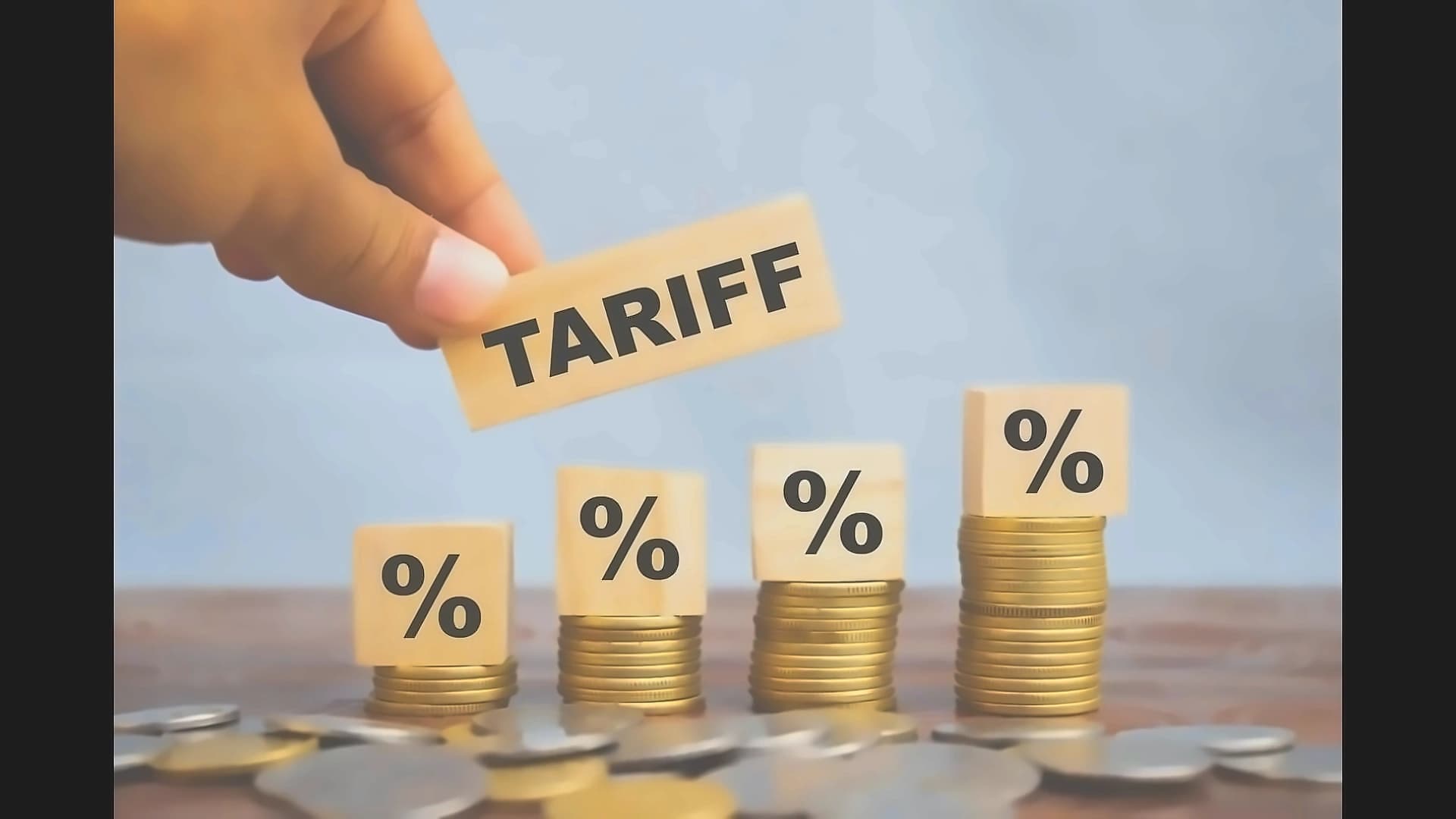
The US Trade Representative (USTR) has proposed 12.5 per cent additional duty on Indian goods over forced-labour import rules, invoking Section 301 of the Trade Act of 1974. According to reports from The Times of India, the USTR proposed similar action against many other countries as part of its broader trade enforcement initiative. USTR launched two separate Section 301 investigations on March 11 and 12, 2026, covering 60 economies over concerns related to forced labour and excess industrial capacity. On June 3, USTR issued its findings in the forced-labour investigation and proposed additional tariffs on imports from 54 economies. Under the proposal, India is among 48 economies that could face an additional 12.5% tariff, while countries including Canada, the European Union, Indonesia, Mexico, Ecuador and Pakistan would be subject to a lower 10% duty. The tariff threat remains a proposal and has not been finalized, with public hearings scheduled for July 7 (US time) after which USTR will consider comments and testimony before taking a final decision.
India has submitted comprehensive counter-arguments challenging the USTR's findings, arguing that the agency has neither identified nor engaged with discrete elements of Section 301 for any country that directly amounts to unreasonable acts. As reported by Business Standard, India contends that "there is inadequate and insufficient evidence that the lack of forced labour import ban causes an alleged unfair comparative advantage to the detriment of the US industry." The country emphasizes that evidence across sectors of major exports to the US does not suggest any linkage with forced labour inputs. Using three examples from the USTR report, India points out that American tobacco imports shot up from $225,000 in 2021 to $3.5 million, while those from Malawi remained zero, indicating no adverse impact on US commerce. Similarly, there were no imports from Myanmar, but US was among the few countries that shipped the commodity to India. The government also highlighted that US cotton imports have increased from $213 million in 2021 to $392 million in 2025, while imports from China declined during this period.
India maintains that forced labour in global supply chains is best addressed through a combination of domestic criminal labour-law enforcement and adequate due diligence framework, which also provide for risk mitigation and remedial measures. The immediate question remains whether USTR accepts India's argument that country-wide tariffs cannot be justified without economy-specific evidence. Until the final decision is taken, the proposed 12.5 per cent duty remains a live trade risk rather than an imposed levy. The July 7 hearing will be crucial in determining whether the USTR accepts India's counter-arguments and decides to reconsider the proposed tariffs. Industry bodies are expected to argue that forced labour is not an inherent feature of Indian manufacturing and that the claims do not reflect the country's regulatory framework or business practices, while maintaining that India's production ecosystem operates on market-driven demand and remains globally competitive.