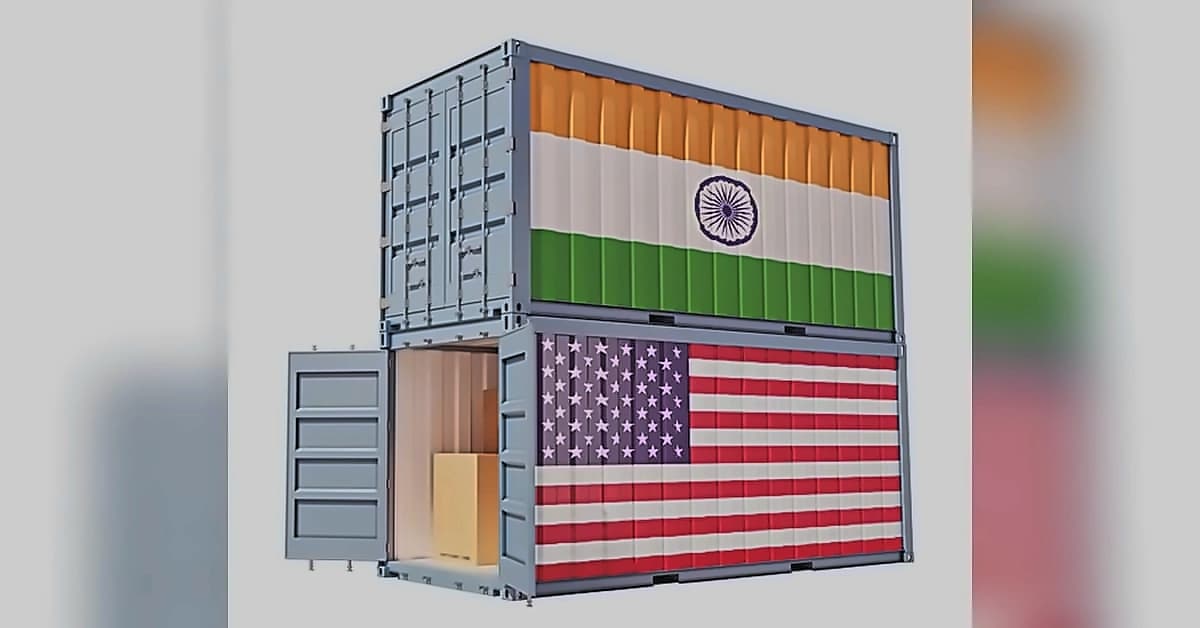
India has emerged as a dominant supplier of smartphones to the United States, capturing approximately 40% of US smartphone imports that were previously sourced from China. According to a recent report by McKinsey & Company, as reported by CNBCTV18.com, this represents a significant shift in global electronics trade patterns. The report highlights that India's rise in smartphone exports has been particularly notable, with shipments to the US increasing sharply despite the long geographical distance of around 13,000 kilometers. This reflects India's growing role in global electronics manufacturing and supply chains, with US imports of smartphones from India increasing by approximately $15 billion while imports from China declined by around $18 billion in 2025.
The broader shift accelerated sharply in 2025 amid rising US tariffs and trade restrictions on Chinese goods. According to the McKinsey report, US imports from China dropped by about $130 billion in 2025, which is almost three times the decline recorded in either of the previous two years. While alternative suppliers were able to replace about two-thirds of this decline, a net gap of roughly $50 billion remains. The report notes that high-value consumer electronics such as smartphones, laptops and other devices were among the easiest to relocate, with companies able to shift final stages of production to countries like India, Vietnam and Thailand without having to rebuild entire supply chains from scratch.
According to the McKinsey report, ASEAN economies replaced about two-thirds of US laptop imports that had earlier come from China, pointing to a broader shift in manufacturing bases across Asia. The report emphasized that among emerging economies, India stood out for expanding trade across regions, with smartphones being a key exception that drove export growth. While overall exports remained largely unchanged, the shift in trade patterns is being driven by domestic priorities and geopolitical realignments. Advanced economies and China are increasingly reorienting trade away from geopolitically distant partners, while emerging economies like India continue to expand trade across the spectrum.
The report highlighted that ASEAN strengthened its position as a manufacturing hub by importing more inputs from China and exporting finished goods to the United States. Additionally, Brazil increased commodity exports to China, replacing goods that China had earlier sourced from the US. This demonstrates how global trade relationships are evolving across different regions and sectors, with emerging economies like India continuing to expand their role in international supply chains. The shift in trade patterns reflects the ongoing restructuring of global manufacturing networks and supply chain dependencies, with China's role evolving within the supply chain by increasing exports of intermediate goods such as semiconductors, batteries, screens, and printed circuit boards to emerging manufacturing hubs.