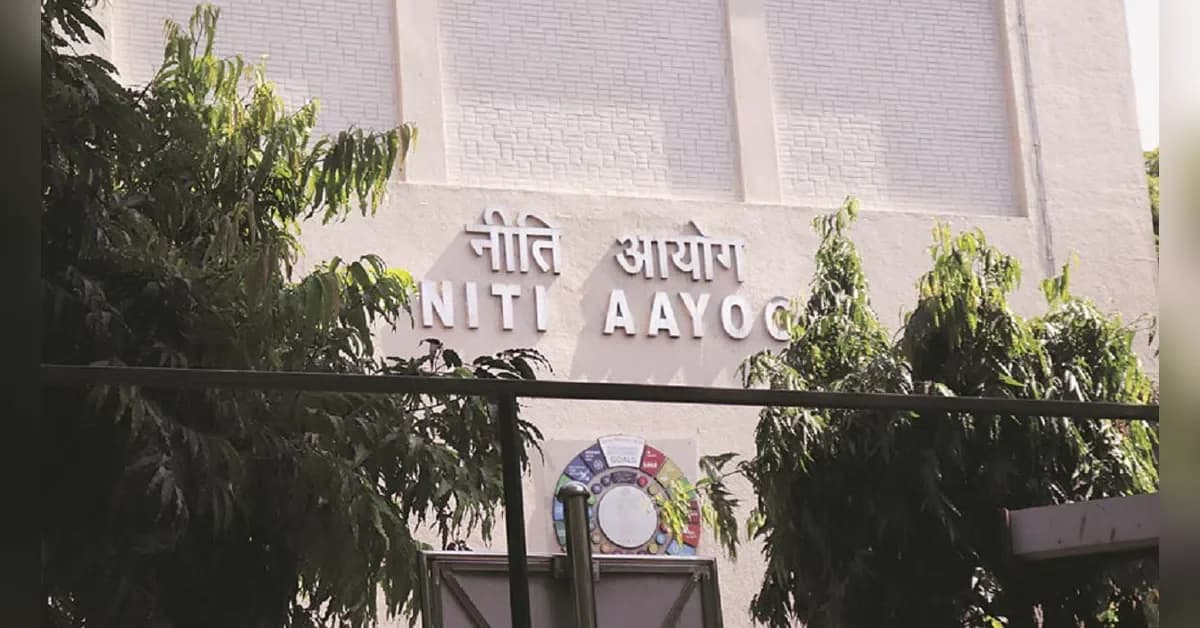
NITI Aayog has revealed that India's pharmaceutical supply chain remains heavily dependent on Chinese imports for 65 per cent of critical active pharmaceutical ingredients (APIs), key starting materials (KSMs), and intermediates, particularly fermentation-based products. According to the think tank's eighth edition of Trade Watch Quarterly released on Tuesday, this dependency creates significant vulnerabilities in India's pharmaceutical ecosystem. The latest data shows India imported $7.4 billion worth of APIs in 2025, with the top five product categories accounting for $6.2 billion, or nearly 84% of total imports. As per The Economic Times, China was the main supplier across those categories, with its share ranging from 65% to 86% across different API categories. This dependency extends beyond APIs, with the top five API categories accounting for 84 per cent of imports, with China supplying 66–86 per cent of each.
Nitrogen heterocyclic compounds emerged as the largest import category with imports of $2.3 billion, accounting for 31.9% of total API imports, followed by antibiotics at $1.9 billion, or 26.1%. According to The Economic Times, amino compounds contributed 11.5%, while oxygenated carboxylic acids and heterocyclic compounds with oxygen accounted for around 7% each. The report highlights that together, the top two categories constituted nearly 58% of India's API import basket, indicating concentration in a narrow range of pharmaceutical inputs. China accounted for 76.4% of India's imports of nitrogen heterocyclic compounds and 86.1% of antibiotics, while its share remained above 65% in the other leading product groups. As reported by The Economic Times, this dominance reflects China's established scale advantages, integrated chemical manufacturing ecosystem, and cost competitiveness in bulk pharmaceutical ingredients.
APIs imported from China are estimated to be 35%-40% cheaper than domestically produced alternatives, affecting the commercial viability of local API manufacturing and contributing to the closure of some domestic production facilities. According to The Economic Times, this cost differential highlights the persistent challenge in building competitive domestic manufacturing capacity. The report emphasizes that rising environmental compliance requirements have significantly increased manufacturing and R&D costs in India, further complicating the supply chain challenges. Despite government incentive schemes and bulk drug park initiatives to boost local manufacturing, the findings highlight that strengthening domestic capabilities in critical APIs, key starting materials, and biotechnology inputs remains essential to improving supply chain resilience and reducing import dependence.
The Aayog flagged India's continued dependence on China for active pharmaceutical ingredients (APIs) as a strategic vulnerability, with the latest data confirming this dependency extends to 65 per cent of critical pharmaceutical inputs. The report pointed out that weak innovation and a commercialisation ecosystem have created uncertainty for innovators and long-term investments. According to The Economic Times, the high degree of product and supplier concentration underscores continued external dependence in critical pharmaceutical inputs and highlights the importance of ongoing efforts to strengthen domestic API manufacturing capacity and diversify sourcing channels. The global drugs and pharmaceuticals market demand stood at $1.3 trillion in 2025, comprising $1.02 trillion of pharmaceuticals and $261 billion of API.
India's pharmaceutical sector contributes more than 1.7% to gross domestic product, 7.2% of manufacturing gross value added and supports about 2.7 million livelihoods, as reported by The Economic Times. The report outlined a forward-looking agenda anchored in five pillars: diversification into high-value segments, deeper research and development investment, time-bound patent opposition procedures of six to 12 months, stronger industry–academia technology transfer, and a shift in environmental compliance from a firm-level burden to a shared-infrastructure model. According to PTI, NITI Aayog vice chairman Ashok Kumar Lahiri released the report, stating that India is considered the pharmacy of the world and needs to move up the value chain. The report emphasizes that although the sector's growing participation in global value chains is evident from rising domestic value addition, strengthening domestic capabilities in critical APIs, key starting materials, and biotechnology inputs remains essential.