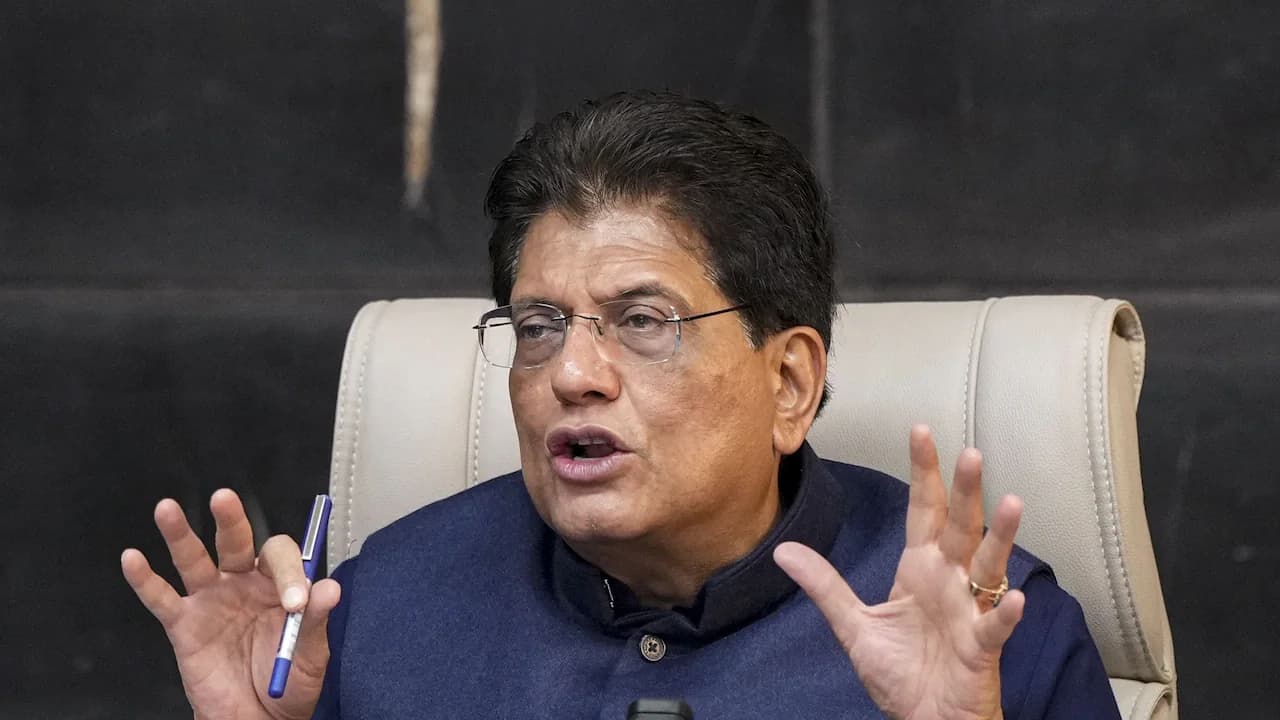
The India-EU free trade agreement is likely to be rolled out by April-June 2027, according to the European Commission's chief negotiator Christophe Kiener. Speaking at the Peterson Institute for International Economics' Trade Winds event, Kiener stated that the agreement could enter into force 'somewhere around the second quarter of next year, or by the beginning of summer at the latest'. This timeline is slightly later than Commerce and Industry Minister Piyush Goyal's earlier projection of March 2027 rollout. The visit comes at a time when India and the EU are working towards finishing the legal scrubbing of their Free Trade Agreement in the next few days.
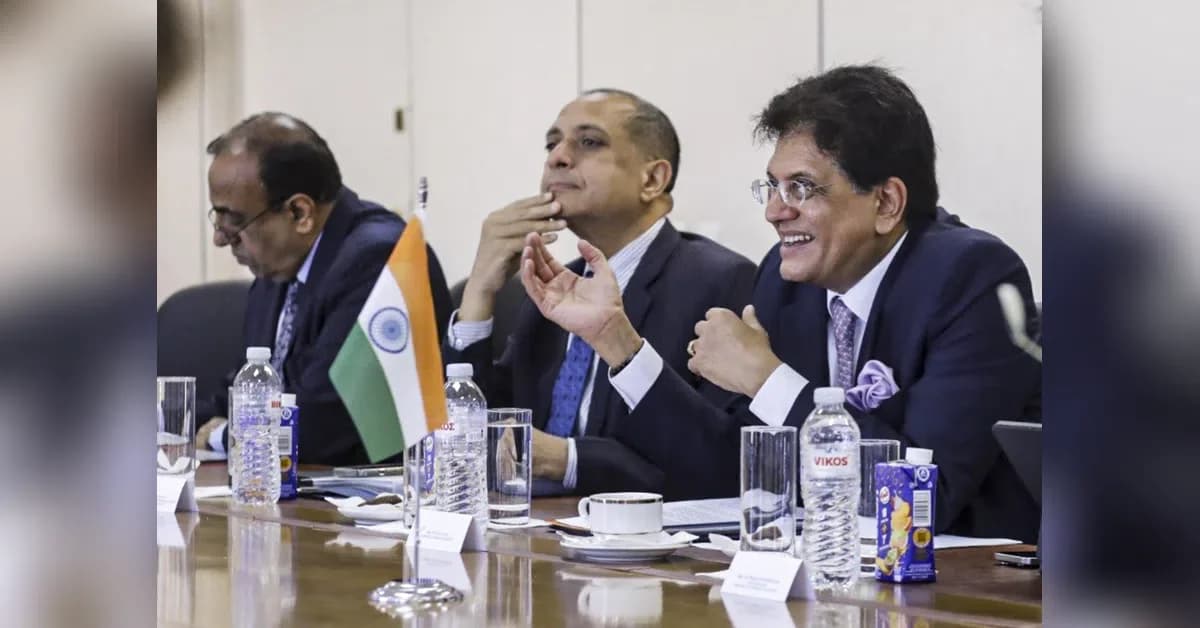
Union Commerce and Industry Minister Piyush Goyal is leading a five-day Europe visit from July 13-17 with a high-level business delegation to strengthen India's economic ties with the European Union. The delegation includes representatives of leading Indian companies from sectors such as advanced manufacturing, clean energy, digital technologies, gems and jewellery, food processing, healthcare and design. The mission has been expanded to include visits to Spain, Belgium and Finland to boost trade, investment and technology ties. On July 13, Goyal will hold meetings in Spain with senior ministers including First Vice President and Economy Minister Carlos Cuerpo Caballero, Industry and Tourism Minister Jordi Hereu Boher, and Foreign Minister José Manuel Albares Bueno. He will also chair an India-Spain Business Roundtable and participate in interactions with the Chamber of Commerce of Spain, CEOE and ICEX Spain Trade & Investment to promote business partnerships in sectors such as automobiles, renewable energy, railways, artificial intelligence, semiconductors, food processing and tourism.
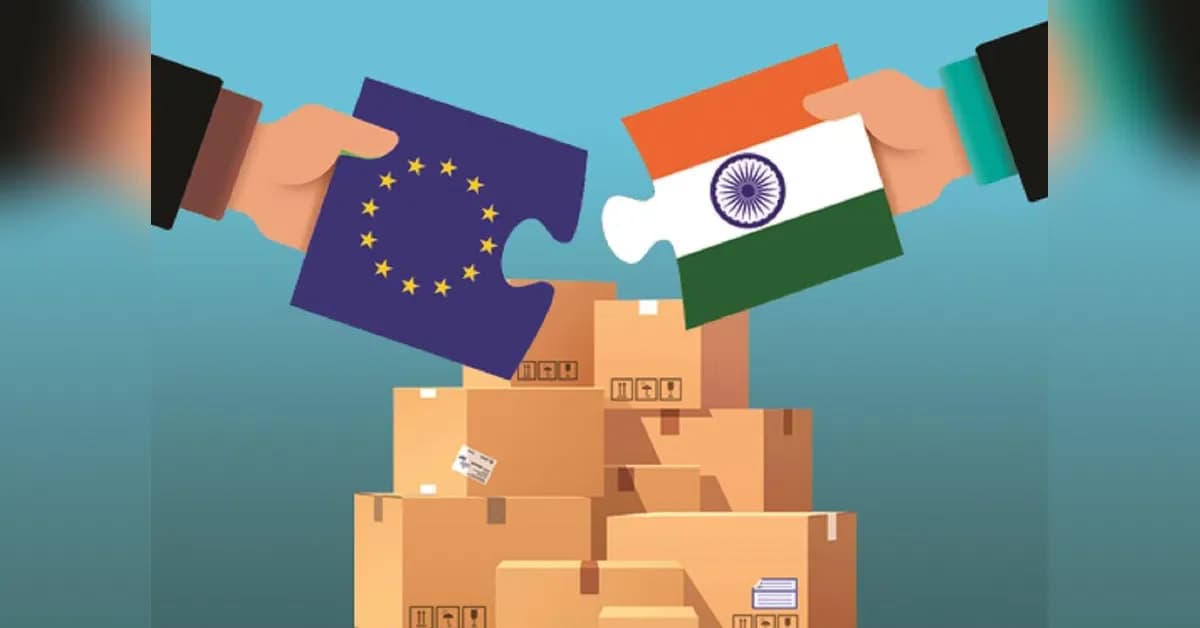
Under the trade deal, India has offered tariff concessions on 86% of tariff lines, while the EU has offered liberalisation on 97% of tariff lines. According to Kiener, EU exporters will save approximately ₹32,000 crore (4 billion euro) in duties that they were previously paying. The agreement will drop tariffs to zero in several sectors, including machinery and electrical equipment (from up to 44% to zero), aircraft (from up to 11% to zero), and chemicals (from up to 22% to zero). The tariff rate quota on motor vehicles will bring rates to 10% at the end of transition period from up to 110%.
India's chief negotiator Darpan Jain indicated that labour-intensive sectors in India like textile and apparel, leather, marine, chemical, and plastic are likely to benefit from the trade agreement with the EU. Following the conclusion of the trade deal in January, both sides have been engaged in legal scrubbing of the text, which is expected to be finished by the end of this month. Kiener reiterated that leaders and officials from both regions have expressed confidence that the agreement will be signed by the end of this year. The visit is expected to give fresh momentum to India-EU economic ties by promoting trade and investment, strengthening cooperation in emerging technologies, clean energy, innovation and advanced manufacturing.