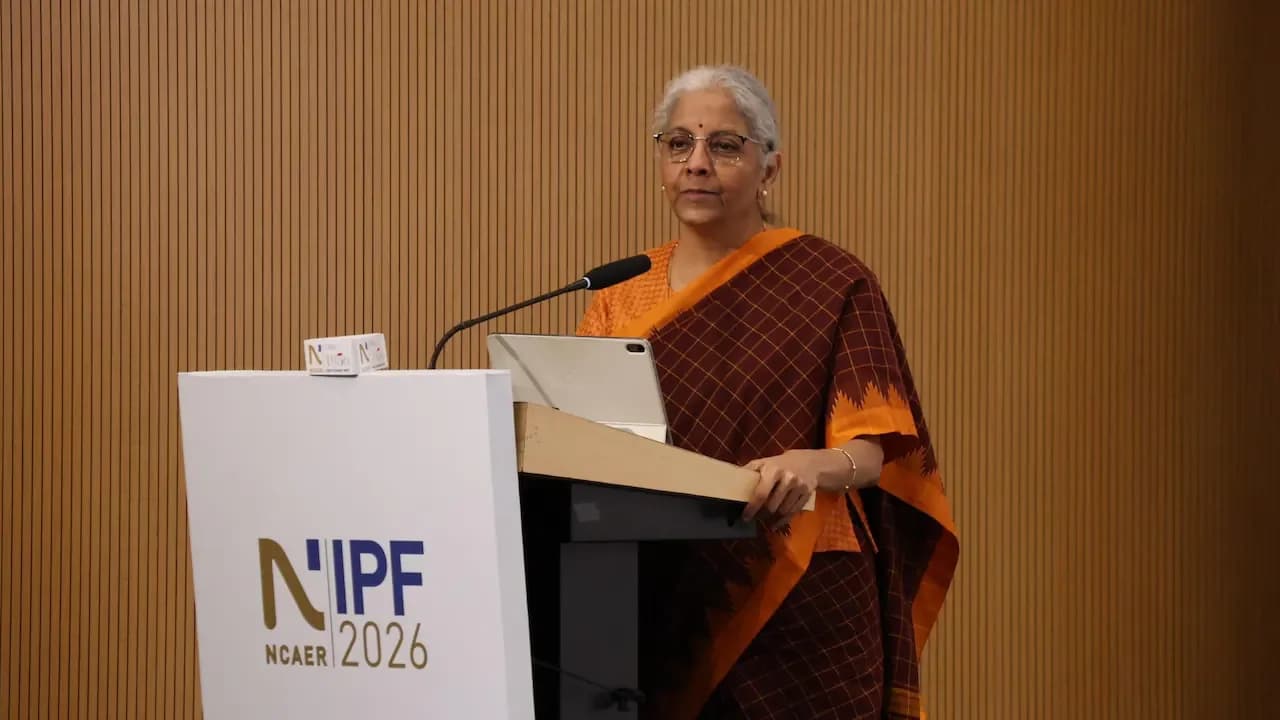
The US-India trade negotiations have drawn sharp criticism from the Congress, with Congress general secretary Jairam Ramesh calling on Prime Minister Narendra Modi to stop appeasing President Donald Trump. According to Business Standard, Ramesh stated that there is absolutely no need for India to be bamboozled into signing any trade pact which as it stands now is heavily against India's interests. The Congress leader pointed out that the US Trade Representative Jamieson Greer is in New Delhi today and tomorrow, following the India-US Joint statement on trade issued on February 6, 2026, where the US promised to reduce tariffs on Indian exports from 25% to 18%. However, Ramesh noted that within hours of the US Supreme Court ruling on February 20, 2026, the US imposed a temporary 10% tariff on all its trading partners including India, with the legal basis for this expires on July 24, 2026.
India's envoy to the US, Vinay Mohan Kwatra, recently engaged with the Ways and Means Committee of the American House of Representatives in a special roundtable discussion on key aspects of the US-India bilateral trade relationship. According to Business Standard, Kwatra stated that "We exchanged views and discussed the way forward to further expand and deepen the trade partnership." The meeting included Committee Chairman Jason Smith, a Republican from Missouri, and Ranking Member Richard Neal, a democrat from Massachusetts, with the Committee on Ways and Means being the oldest committee of the United States Congress and the chief tax-writing panel in the House of Representatives. This high-level engagement comes against the backdrop of ongoing negotiations between the two countries to finalise an interim bilateral trade agreement.
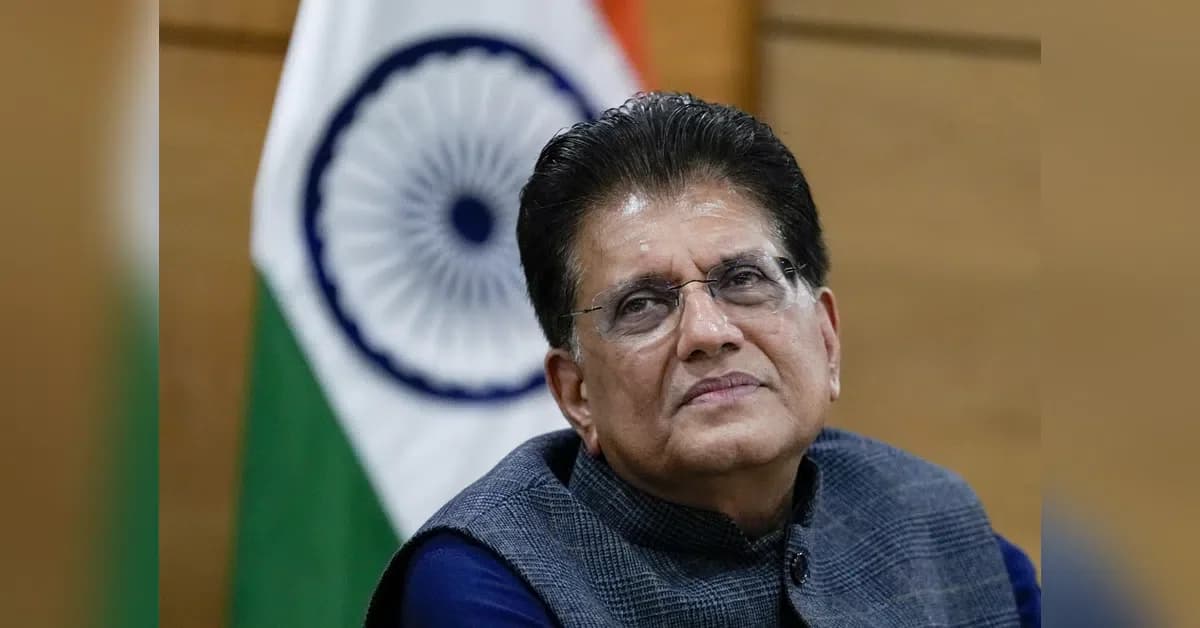
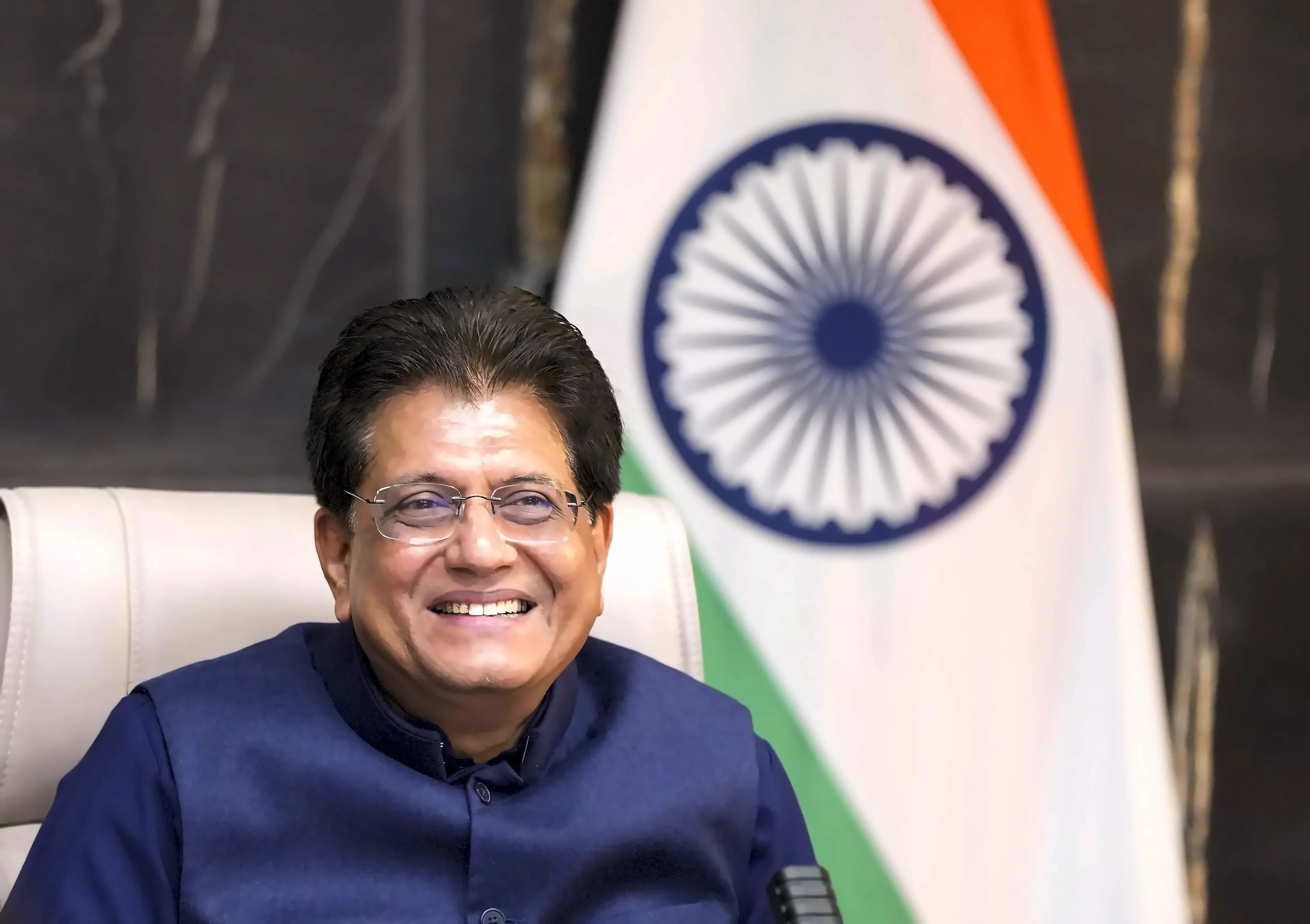
Commerce and Industry Minister Piyush Goyal confirmed that negotiations are taking longer than expected due to the 50% tariff that was imposed on goods from India, as reported by Business Standard. However, Goyal emphasized that "the trade deal with the US is 'very close', but it cannot come into force unless India secures a competitive tariff advantage over its competitor nations." The minister noted that India is "trying to work out with the US how they will ensure that we will get a comparative advantage, so that our exporters can benefit." Earlier this week, US Trade Representative Jamieson Greer met Goyal in New Delhi to discuss the finer aspects of the first phase of the India-US bilateral trade agreement, with the upcoming ministerial discussions focusing on giving final touches to the framework deal. Goyal had earlier indicated that India and the US were likely to execute the "very, very vibrant" first phase of the bilateral trade agreement by the middle of next month.
The proposed tariffs of up to 12.5% on imports from India and other countries are expected to significantly impact India's garment export sector, which faces compliance costs that could erode operating margins by 8-10%. According to Financial Express, the proposal issued by the Office of the United States Trade Representative under a Section 301 investigation imposes a 12.5% duty on imports from countries including India, China, Vietnam, Japan, South Korea and Australia. Industry executives noted that this places India in the same bracket as China and several competing sourcing destinations, removing the possibility of a major sourcing shift away from Chinese suppliers toward Indian manufacturers. Vietnam, Bangladesh, Malaysia and Thailand are also expected to remain competitive because they face similar tariff treatment, with Indonesia enjoying marginal relief at 10% duty. As per industry estimates, Indian exporters may see production costs rise by 3-5% due to additional documentation, verification and traceability requirements, with extra costs ranging from a few cents to more than one dollar per garment depending on certification levels.
India is pushing for preferential tariffs under the proposed agreement, which would mean lower duties and easier access for Indian products and services in the US market, helping exporters become more competitive. According to Reuters, Goyal noted that India is seeking preferential tariffs, with the proposed deal expected to include rules of origin provisions that determine where products are manufactured and whether they qualify for trade benefits. While India is keen to expand trade with the United States, Goyal stressed that the government will protect the interests of sensitive sectors such as agriculture, fisheries and dairy. The minister said the interests of farmers, fishermen and the dairy industry remain a key consideration in the negotiations. These sectors have traditionally been among the most closely guarded areas in India's trade talks, with New Delhi often taking a cautious approach to opening them up to foreign competition. The Congress has highlighted that Indian farmers in different states including J&K, Himachal Pradesh, Bihar, Madhya Pradesh, Rajasthan and Maharashtra will be very adversely impacted by the proposed agreement.
The trade negotiations face additional complications from Section 301 investigations that could significantly impact the final agreement. According to Financial Express, the US has opened two such investigations covering several countries, including India, with one relating to excess capacity and the other linked to whether countries have adequate rules to prevent imports powered by forced labour from entering their markets. On June 2, the US Trade Representative proposed a 12.5% additional tariff on 54 economies, including India, under the forced-labour-related investigation. The proposal is not final, with hearings scheduled in July. Goyal had previously played down Section 301 concerns, stating at the FE Best Banks Awards that the mechanism was being created due to Congressional constraints, and expressing confidence that India would protect its interests. However, the Congress has pointed out that India along with about 60 other countries is under investigation by the US for unfair trade practices that supposedly violate US laws, with final outcomes from this investigation expected in the coming weeks. The US is clearly using this investigation as a threat to get India to formally sign the agreement as announced on February 6, 2026. Despite having trade agreements with Japan and the EU, the US has threatened increased tariffs on them, with the Congress questioning what and where is the guarantee that tariffs will not be unilaterally imposed or threatened to be imposed thereafter.