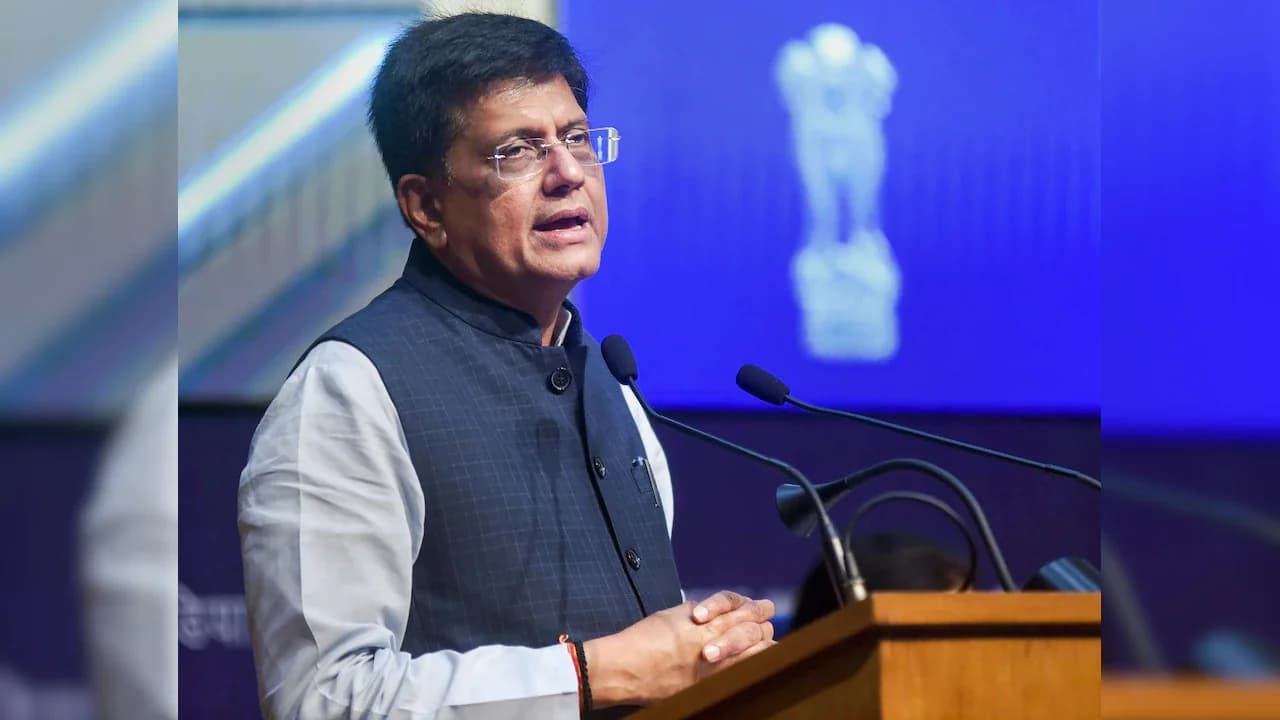
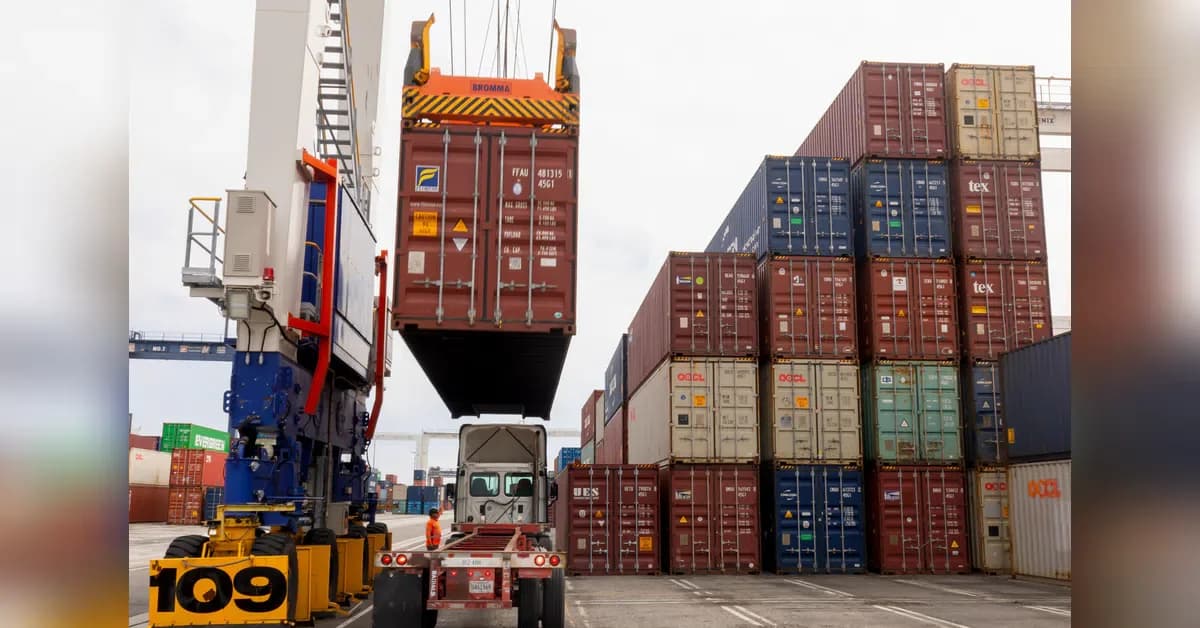
The Department-related Parliamentary Standing Committee on Commerce, headed by Rajya Sabha MP Dola Sen, presented its 200th report on the "Evaluation of India-US Trade Relations" to both Houses of Parliament on August 6, 2026. The panel examined challenges arising from US tariff measures and their impact on key sectors of the Indian economy. According to the committee's report, "The Committee recommends that the government conclude the proposed Bilateral Trade Agreement at the earliest while ensuring that India's interests are adequately protected." The committee held four meetings spanning more than seven hours and 50 minutes and consulted government departments, financial institutions, export organisations, industry bodies and stakeholders from sectors including textiles, agriculture, automobiles, marine products, steel, chemicals and gems and jewellery. The panel emphasized the need for complete exemption for key export products, including generic medicines, critical minerals and smartphones, from any future US tariff increases. The committee also recommended setting up a dedicated DGFT watch desk to monitor changes in US customs procedures and provide real-time alerts to exporters amid uncertainty over US trade policy. As per PTI, the committee suggested redressal of regulatory bottlenecks, simplification of investment procedures, ensuring policy stability, and expediting the mutually beneficial BTA to enhance investor confidence and unlock the full potential of bilateral investment cooperation.
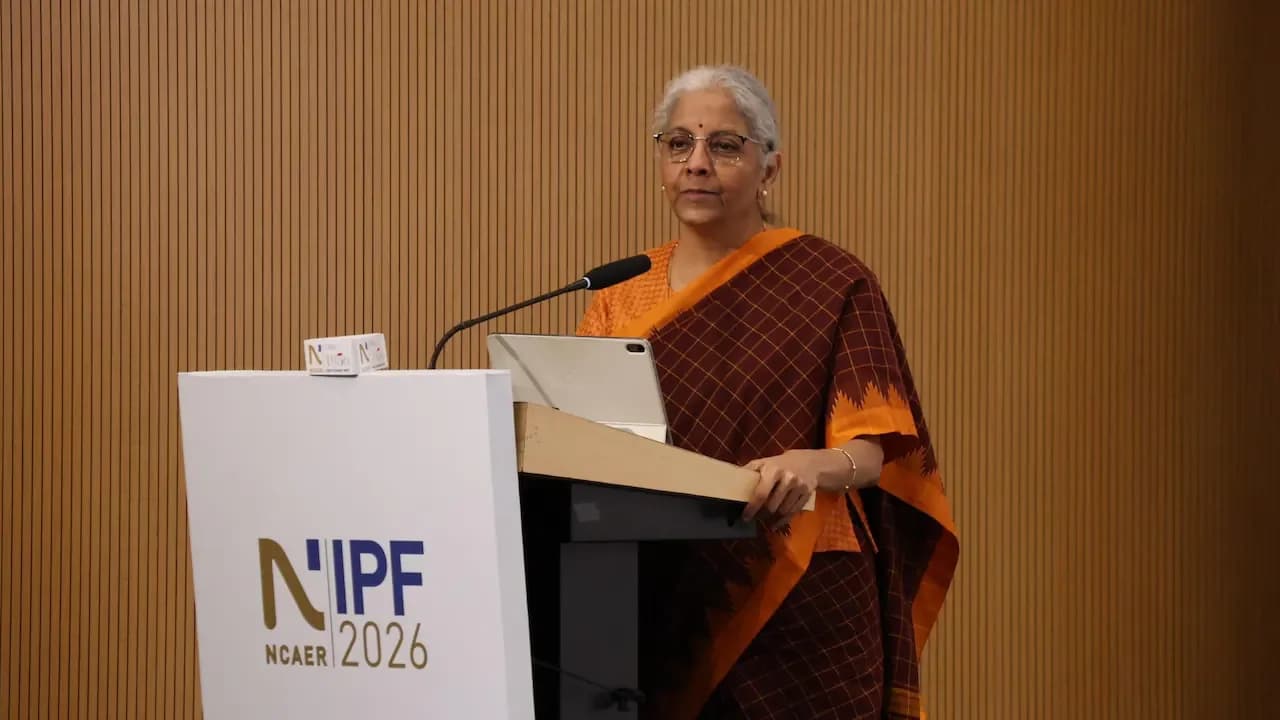
Calling for greater predictability in bilateral trade, the committee recommended a time-bound roadmap for achieving the Mission 500 objective of taking India-US bilateral trade to $500 billion by 2030. Finance Minister Nirmala Sitharaman announced significant progress in India's tariff reforms during the CD Deshmukh Memorial Lecture organized by the National Council of Applied Economic Research on August 6. According to reports from NDTV Profit, Sitharaman assured that by Budget 2027-28, barring a few items, tariffs will come down to single digit. The committee's recommendations align with this timeline, calling for tariff reductions on engineering goods, auto components and other automotive products to improve India's competitiveness and provide exporters with necessary predictability for long-term business strategies. The committee also suggested initiation of bilateral trade dialogues to specifically contest the arbitrary inflation of anti-dumping and countervailing duties to secure a predictable tariff framework. As per PTI, the committee recommended that the Department of Commerce should also prepare a time-bound roadmap to achieve the objectives of the Mission 500 initiative by promoting trade in goods and services, encouraging investment, enhancing cooperation in critical technologies, improving supply chain and addressing both tariff and non-tariff barriers faced by Indian exporters.
The committee highlighted the significant growth in bilateral services trade, with India's services exports to the US reaching $51.2 billion, growing at a compound annual growth rate (CAGR) of 11.58 per cent since 2020, while imports reached $47.32 billion, with a CAGR of 18.68 per cent. As reported by Business Standard, bilateral services trade has more than doubled from $40.53 billion in 2014 to $98.52 billion in 2024. However, the committee noted that India's services imports from the US are growing at a much faster rate (18.68 per cent CAGR) than its services exports (11.58 per cent CAGR). The committee also sought stronger cooperation in critical technologies, investment and supply-chain resilience to address these growing imbalance challenges. To maintain India's long-term competitive edge, the committee recommended formulation of a targeted strategy to boost high-value knowledge exports such as artificial intelligence, digital health and engineering research. As per PTI, the committee asked for actively leveraging global 'friend-shoring' trends to deeply integrate Indian manufacturers into critical US supply chains, particularly in electronics, semiconductors and clean energy.
The committee expressed concern over the expansion of Section 301 tariffs in the US, saying the move reflected a shift from temporary, broad-based tariffs to more targeted, country-specific measures. According to the report, the evolving tariff regime has increased uncertainty for Indian exporters, affected their price competitiveness and influenced sourcing decisions of US buyers. The report noted that the US tariff on Indian goods, after being raised sharply and subsequently reduced, still stood at 18 per cent compared with an earlier 3 per cent, continuing to affect Indian exports and the wider economy. To address these challenges, the panel recommended establishing a dedicated DGFT mechanism to track US customs actions and alert Indian exporters in real time. The committee also called for sustained policy support for sectors including engineering, electronics, pharmaceuticals, chemicals, gems and jewellery, textiles, marine products, agriculture and leather while recommending greater assistance to MSMEs through export finance, certification, digital platforms and integration into global supply chains. The committee also suggested recommending protection to vulnerable small-scale industries from volatile tariff actions, with the department actively deploying localised financial buffers and export credit assistance programmes. As per PTI, the committee recommended extension of quick technical and financial support to small businesses to upgrade their paperwork so that shipments do not get stuck or delayed at US borders, and suggested setting up a special, fast-acting watch desk to track US customs audits in real time, so that Indian exporters can get instant warnings about any new import rules.
The committee called for active leverage of global friend-shoring trends to deeply integrate Indian manufacturers into critical US supply chains, particularly in electronics, semiconductors and clean energy. As reported by Business Standard, it recommended targeted investment promotion strategies to attract US foreign direct investment into India's manufacturing sector. The panel also emphasized special attention to MSMEs to enable their effective participation in exports and enhance their resilience to US tariff measures, along with a specialized market-linked incentive scheme to help textile and gems-and-jewellery exporters diversify product designs in line with changing consumer preferences in the US market. To tackle challenges where Indian components cannot be immediately diverted to new markets due to rigid, buyer-specific technical specifications, the committee suggested setting up a National Fund that should provide fiscal incentives and matching grants to Indian suppliers to offset high capital costs associated with product redesign, fresh tooling investments, prototype development and obtaining foreign technical certifications. The committee's comprehensive approach addresses both immediate trade challenges and long-term strategic integration goals, with the panel noting that an early Bilateral Trade Agreement is proposed to protect Indian interests, secure tariff exemptions for key exports, reduce barriers affecting industrial products, and create predictable trade conditions.