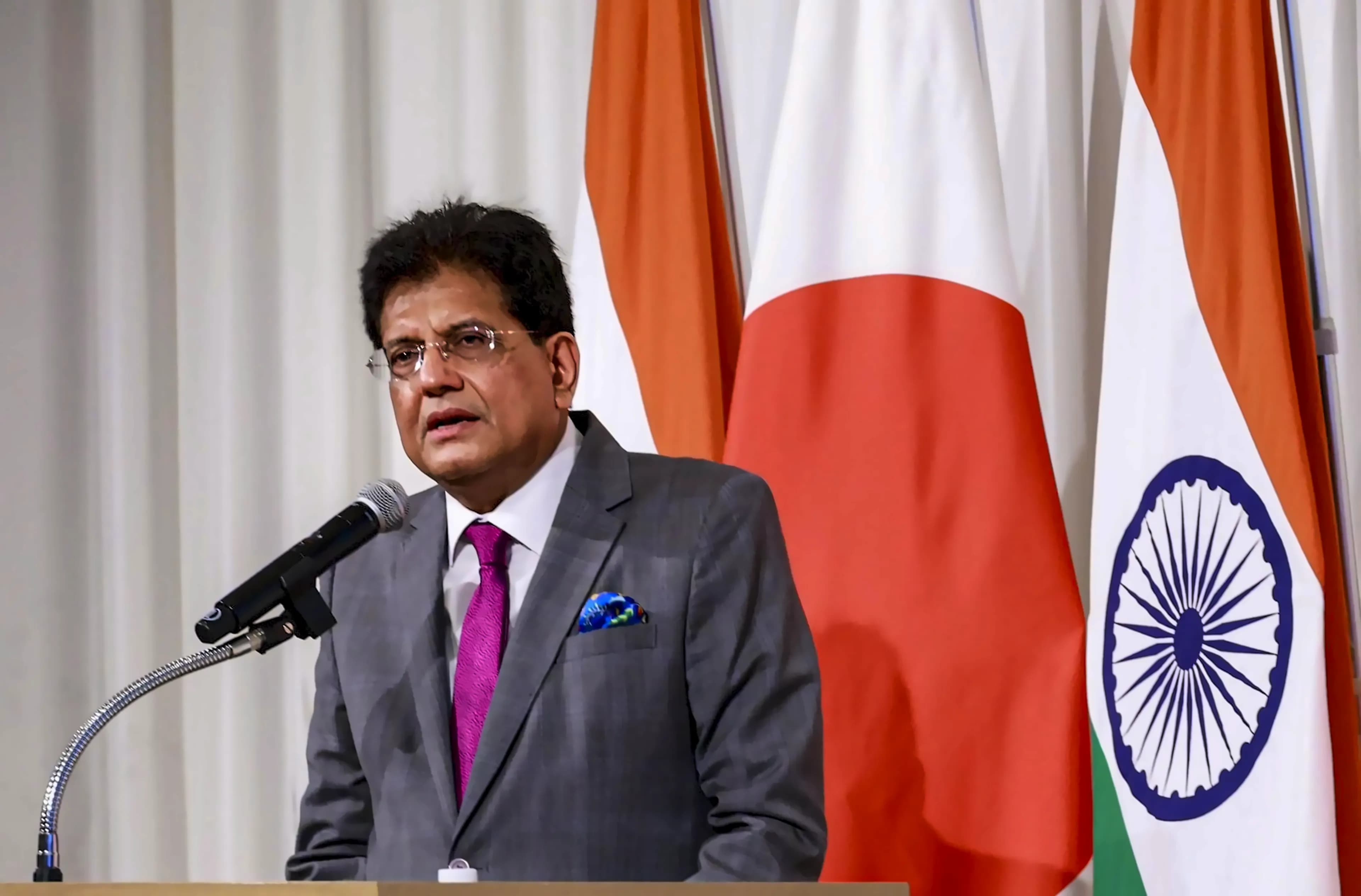
The India-New Zealand free trade agreement is set to come into force in October 2026, according to latest government sources. As reported by ANI, the two countries signed the comprehensive free trade agreement on April 27 to enhance bilateral commerce in goods and services while promoting investments between the nations. The agreement will be implemented on a mutually agreed date next month, marking the official transition from signed agreement to operational trade framework. Union Minister for Commerce and Industry Piyush Goyal and New Zealand's Minister for Trade and Investment Todd McClay signed the agreement in the presence of New Zealand Prime Minister Christopher Luxon at Bharat Mandapam in New Delhi on April 27. The FTA negotiations were re-launched in March 2025 during Prime Minister Luxon's visit to India and were concluded in December 2025 after five rounds of formal discussions, nearly a decade and a half after the two countries first started discussing a trade pact in 2010.
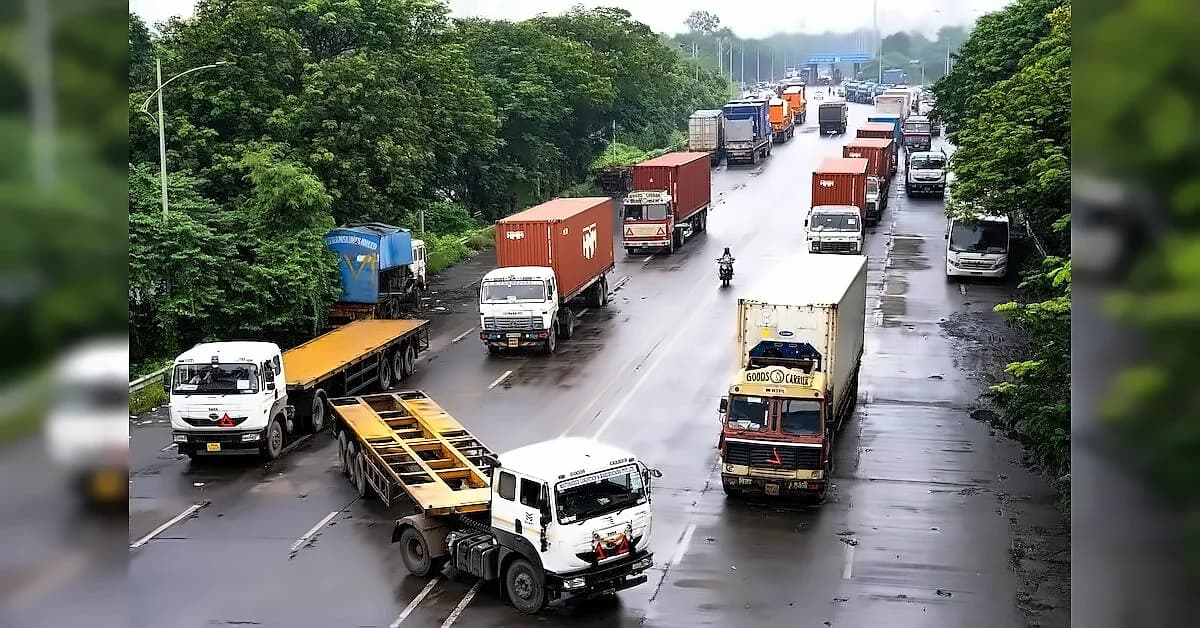
The FTA provides duty-free access for 100% of India's exports to New Zealand, representing a significant improvement from previous trade arrangements. According to the official statement, this marks a substantial shift from New Zealand's previous tariff structure, which maintained peak tariffs of up to 10% on key Indian exports including ceramics, carpets, automobiles, and auto components. The agreement will be implemented on a mutually agreed date next month, with the deal set to slash tariffs on key exports like ceramics, carpets and automobiles, as reported by The Times of India. The FTA provides 100% duty-free access for India's exports to New Zealand from day one, covering over 8,200 tariff lines across sectors like textiles, apparel, leather, footwear, engineering goods, processed foods, and pharmaceuticals. In return, India will liberalize about 70% of its tariff lines, covering nearly 95% of New Zealand's exports by value, with about 57% being duty-free immediately while the rest will be phased out over time. India exported goods worth $567 million to New Zealand in FY26 and recorded a trade deficit of $23 million.
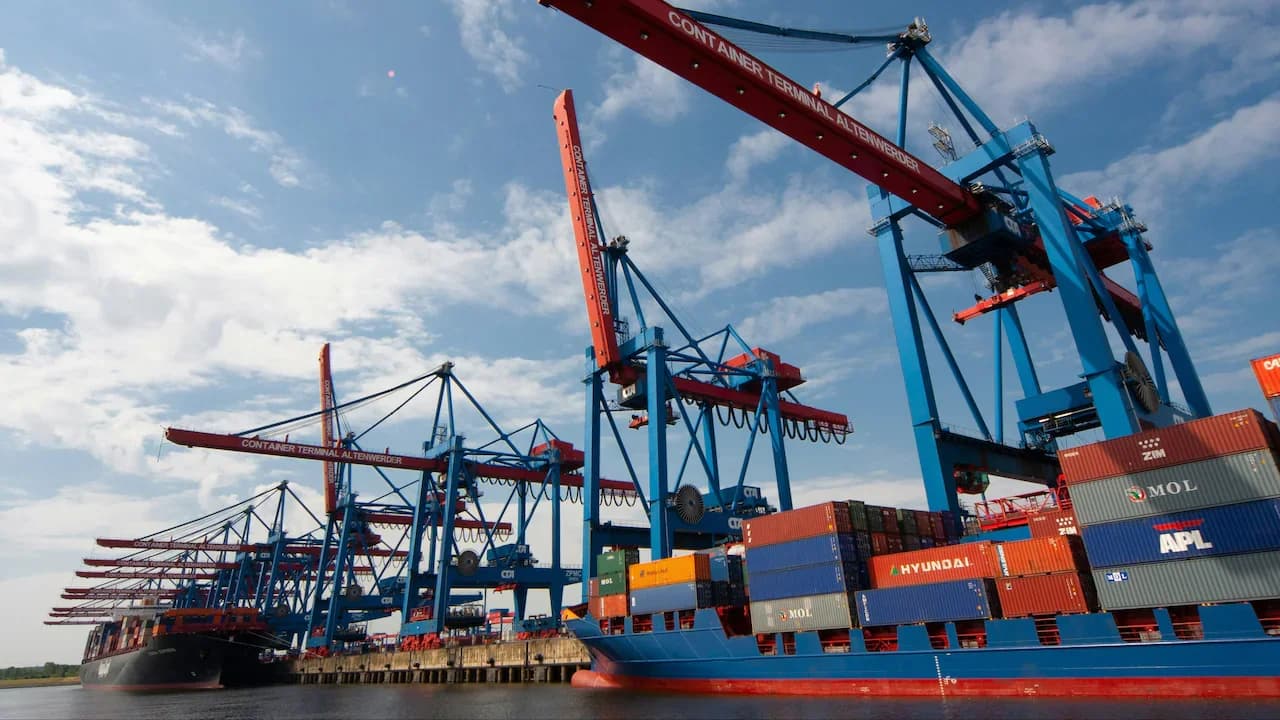
New Zealand has made a substantial financial commitment to the partnership, pledging $20 billion in investments over 15 years. This investment commitment, as reported by Essential Business Intelligence, is expected to strengthen the economic relationship between the two countries and support the growth of bilateral trade and investment flows. The investment pledge is designed to boost two-way commerce and lower costs for Indian goods in New Zealand, creating a more competitive trading environment for Indian exporters in the New Zealand market. The pact also opens a skilled employment pathway for Indian professionals through a new Temporary Employment Entry Visa with a quota of 5,000 visas, with expanded mobility provisions for students and professionals. According to ANI, India and New Zealand have set an aspirational goal of doubling two-way trade in goods and services to NZD 7 billion, or approximately ₹35,000 crore, by 2030. Bilateral merchandise trade stood at about USD 1.3 billion in 2024-25, with total trade in goods and services at USD 2.4 billion in 2024.
New Zealand exporters of wool, wine, coal, sheep meat, and forestry and wood products are expected to be among the biggest beneficiaries of the FTA. Horticultural exports such as kiwifruit, apples, avocados and blueberries will also benefit from this agreement. The pact includes an agriculture cooperation program to help Indian farmers grow kiwis and apples. Sensitive sectors such as dairy and select agricultural products have been kept out of India's commitments under the FTA, maintaining protection for domestic industries. As per ANI, the agreement provides duty-free or preferential access for Indian goods across sectors including agriculture, marine products, textiles and clothing, engineering, leather, footwear, pharmaceuticals, electronics and electrical machinery, and chemicals. The pact also includes an agriculture cooperation program to help Indian farmers grow kiwis and apples.
The India-New Zealand FTA is part of India's broader trade liberalization strategy, following agreements with Mauritius, the UAE, Australia, the European Free Trade Association (EFTA) bloc and the UK. Of these, the pacts with the UK, Oman and New Zealand are yet to come into force. According to ANI, the India-New Zealand Joint Statement said the two sides had welcomed the conclusion and signing of the agreement and agreed to work together to ensure its early entry into force and effective implementation. The comprehensive nature of these agreements positions India as a key player in global trade negotiations and demonstrates the country's commitment to expanding its economic partnerships across multiple regions. Separately, sources indicate that a bilateral meeting between the Indian and Chinese Trade Ministers is likely to take place on the sidelines of the upcoming BRICS Summit, with several trade-related issues likely to figure in the discussions. India is also likely to hold a bilateral meeting with China on trade on the sidelines of the Brics Summit in New Delhi on September 12-13, the official said. The discussions could cover India's widening trade deficit with China and concerns over transshipment, with China remaining India's largest source of imports for several years, with India's trade deficit with the country widening to $112 billion in FY26.
India is accelerating negotiations with several trading partners to expand market access for its exporters and strengthen supply chains. India and the US are likely to hold bilateral trade discussions on the sidelines of the G20 Trade Ministers' meeting scheduled for September 30-October 1 in Wisconsin, with Additional Secretary at Commerce Ministry Darpan Jain also likely to visit the US for chief negotiator-level engagements. However, the discussions are unlikely to yield any substantial outcome, according to official sources. India is also targeting the conclusion of FTA negotiations with Chile by the end of October, with access to critical minerals from Chile among New Delhi's key priorities as India seeks to secure supplies of minerals essential for manufacturing and clean-energy industries. In Latin America, India is also negotiating an FTA with Peru and seeking to expand its existing preferential trade agreement (PTA) with the Mercosur bloc. Separately, the commerce ministry is seeking to improve the timeliness of trade data through a revamp of the Directorate General of Commercial Intelligence and Statistics (DGCIS), with the ministry looking to bring forward the release of monthly trade data to the 10th of every month from the current 15th starting next year.