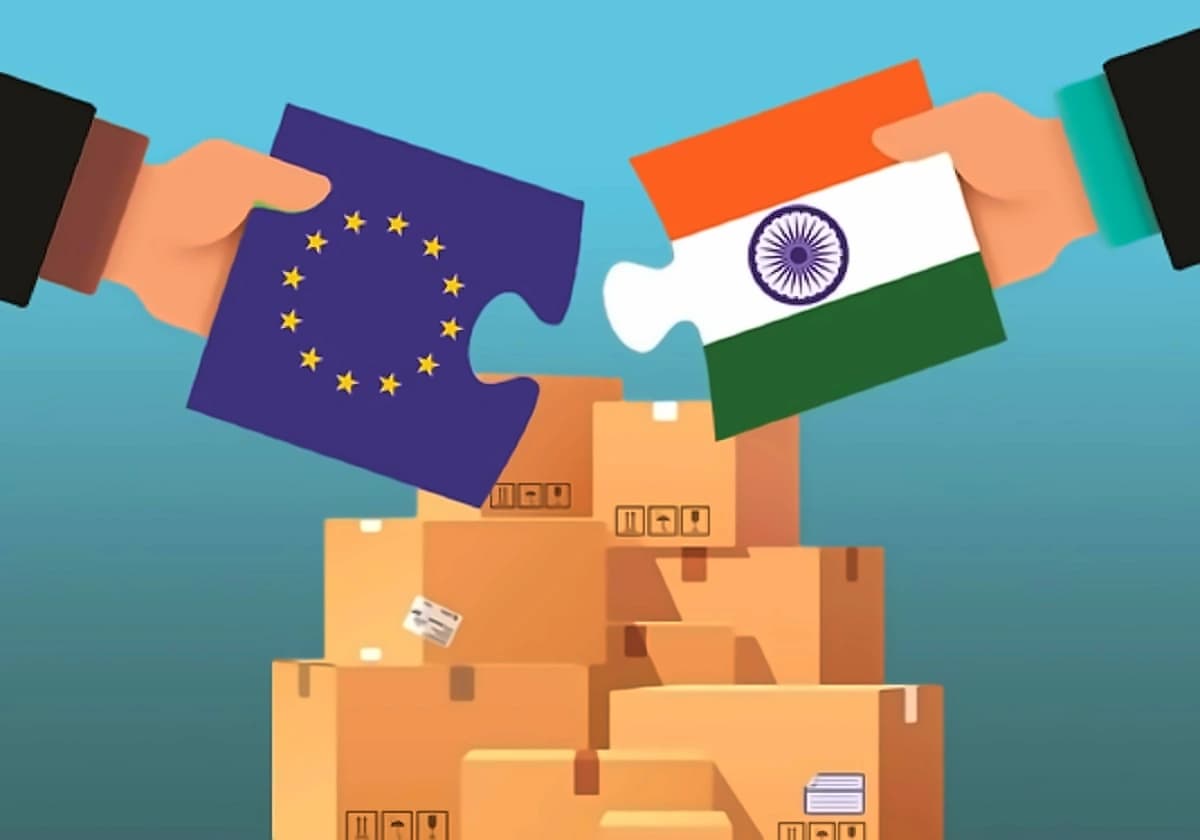
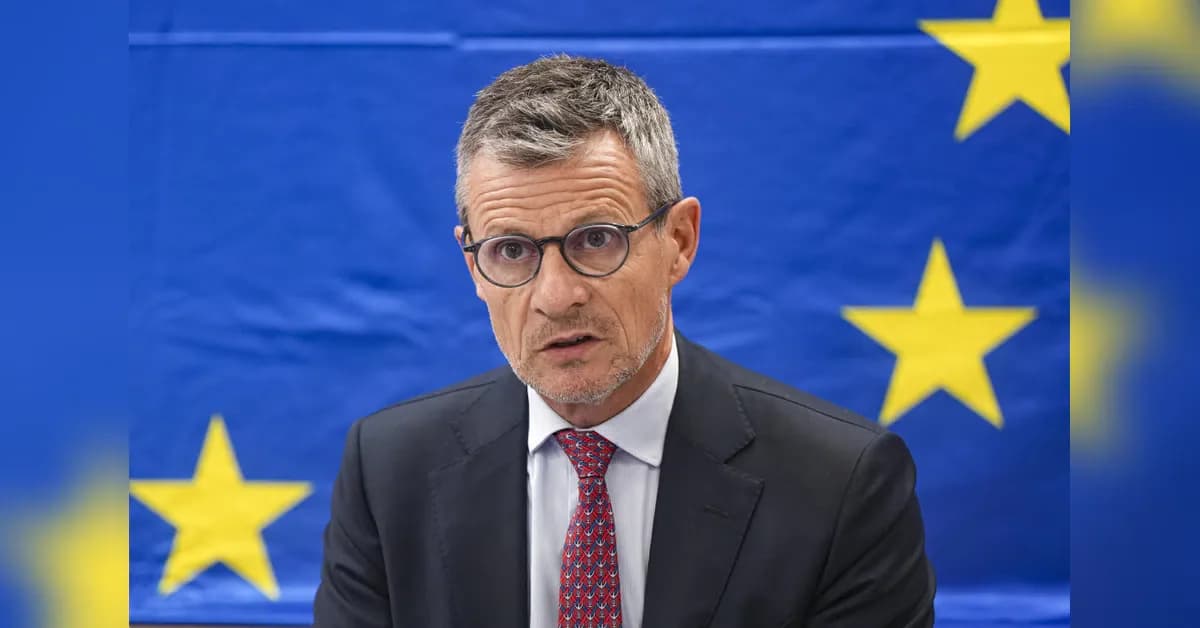
The India-European Union Free Trade Agreement (FTA) is expected to be signed in December and could come into force by the middle of 2027, according to EU Ambassador Jean-Eric Paquet. As reported by Business Standard, Paquet outlined the remaining steps in the agreement's implementation during a video message shared on X. Negotiations for the agreement concluded successfully at the India-EU summit in January this year, following which teams from both sides worked on finalising and technically refining the text. The European Commission has proposed the agreement's signature to the Council in September, with European ministers currently discussing whether to give the go-ahead for its signing. "The wide expectation is that we will have agreement to sign in December. And this is where we also hope to have a high-level visit coming to Europe for that signature," Paquet said. Rajiv Mani, secretary of the Legislative Department and Department of Legal Affairs, confirmed that the agreement could be signed soon, possibly within the year, welcoming the conclusion of negotiations at the ICA-SCC Arbitration Institute Conclave in New Delhi.
After the agreement is signed, it will undergo scrutiny by the European Parliament, which will have to give its assent before it can enter into force. According to Business Standard, Paquet explained that the European Parliament's Foreign Affairs Committee recently visited Delhi and explained the process of scrutiny. The chair of the European Parliament's Foreign Affairs Committee expects the Parliament to form its view in spring, expressing optimism about a positive outcome. Paquet clarified that he was not speaking on behalf of the European Parliament but was quoting the committee chair's assessment. "There will be substantial scrutiny of the document, but then the European Parliament can only say whether it agrees with the agreement or not, so it doesn't open a new negotiation," Paquet noted. With that, the free trade agreement can then enter into force, let's say by the middle of 2027. And this means that at entry into force, the benefits occur."
According to the Commerce Ministry, the pact is expected to significantly benefit labour-intensive sectors, including textiles, apparel, leather, footwear, marine products, gems and jewellery, handicrafts, engineering goods and automobiles. As reported by Business Standard, the agreement is also expected to **bring down tariffs on nearly USD 33 billion worth of Indian exports in labour-intensive sectors to zero upon its entry into force, creating opportunities for MSMEs, women, artisans, youth and professionals. India and the EU recorded merchandise trade of approximately $136.5 billion in 2024-25, according to the European Commission. The benefits are expected to begin accruing from the time the agreement enters into force, with the FTA providing preferential market access for around 99.5 per cent of Indian exports by trade value once it comes into force. India exported $72 billion worth of goods to the European Union in the last financial year (2025-26), and the India-EU trade deal could push that figure higher by cutting tariffs. However, as noted by Business Standard, even as duties fall at the border, the cost of selling in Europe could rise on the factory floor due to new EU regulations.
The agreement covers services, digital trade, customs and trade facilitation, intellectual property rights and mobility of professionals. According to Business Standard, India has also secured favourable market access for agricultural and processed food products, while safeguarding sensitive sectors, including dairy, cereals, poultry and certain other agricultural products. The FTA also provides a framework for facilitating the movement of skilled Indian professionals to European countries, with commitments covering intra-corporate transferees, contractual service suppliers and independent professionals across several sectors. The agreement is expected to significantly benefit labour-intensive sectors, including textiles, apparel, leather, footwear, marine products, gems and jewellery, handicrafts, engineering goods and automobiles.
While the India-EU FTA will reduce tariffs on Indian exports, a growing web of EU sustainability, traceability, and human rights regulations offers both an opportunity and a challenge for Indian exporters. According to Business Standard, The Deforestation Regulation aims to slow global forest loss and protect wildlife by restricting imports of cocoa, coffee, palm oil, rubber, soya, and wood, with compliance costly and requiring Indian exporters to map farm boundaries and provide GPS coordinates. The Carbon Border Adjustment Mechanism (CBAM) will charge carbon taxes of 20-35 per cent of goods value once fully phased in, while The EU Green Claims Rules took effect September 27, 2026, requiring verified environmental claims and independent verification. The Digital Product Passport becomes mandatory for electric vehicles and industrial batteries from February 18, 2027, with compliance extending to clothing, textiles, and other sectors. The Corporate Sustainability Due Diligence Directive starting July 2029 will hold companies accountable for human rights abuses across global operations, with fines reaching up to 3 per cent of global turnover. Extended Producer Responsibility covers electronics, plastics, batteries, and textiles, with mandatory rules for textiles starting April 2028. To help small Indian exporters navigate these regulations, the Indian government, export councils, and manufacturing associations must work together, with New Delhi considering countermeasures for unreasonable requirements.