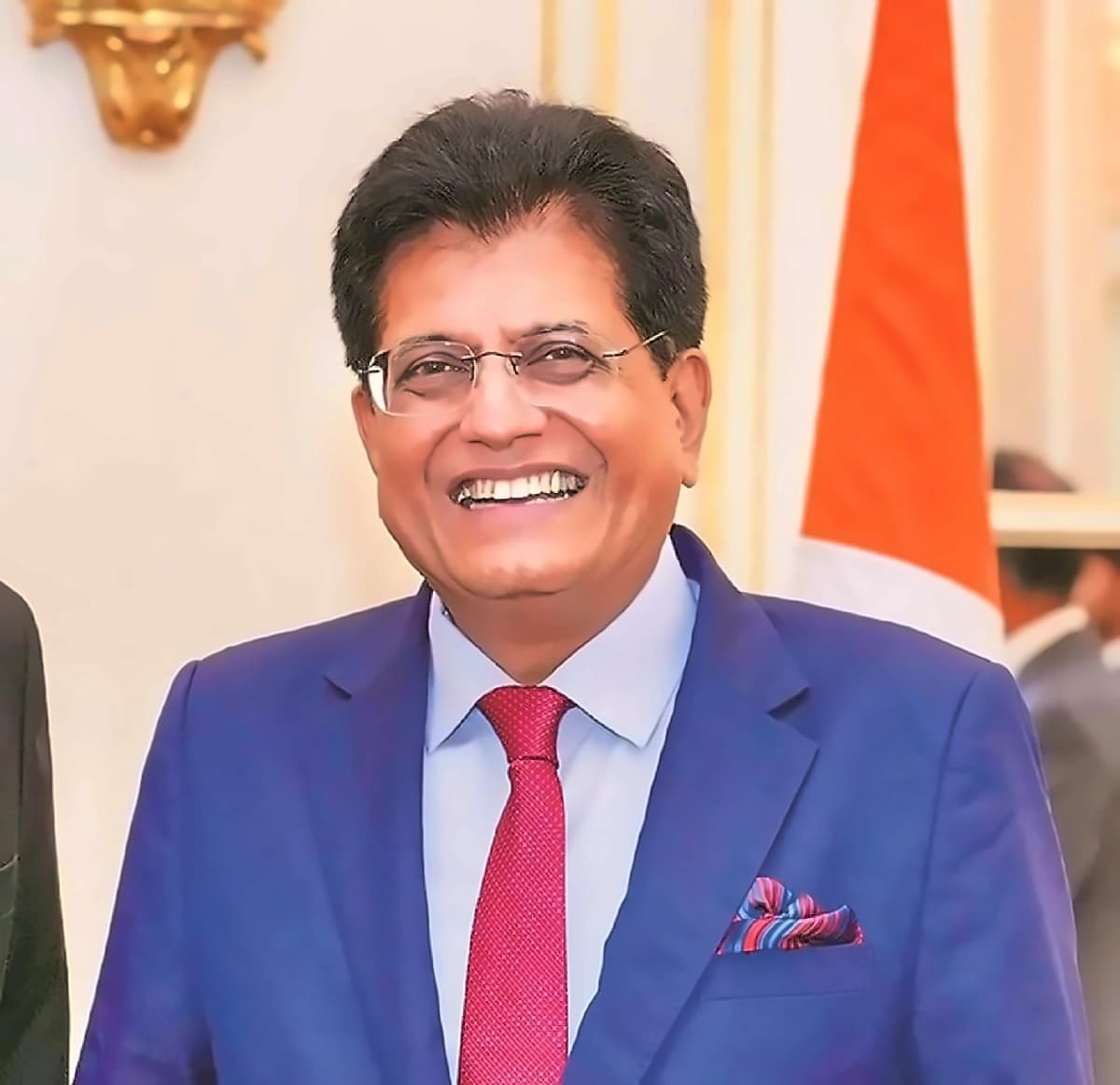
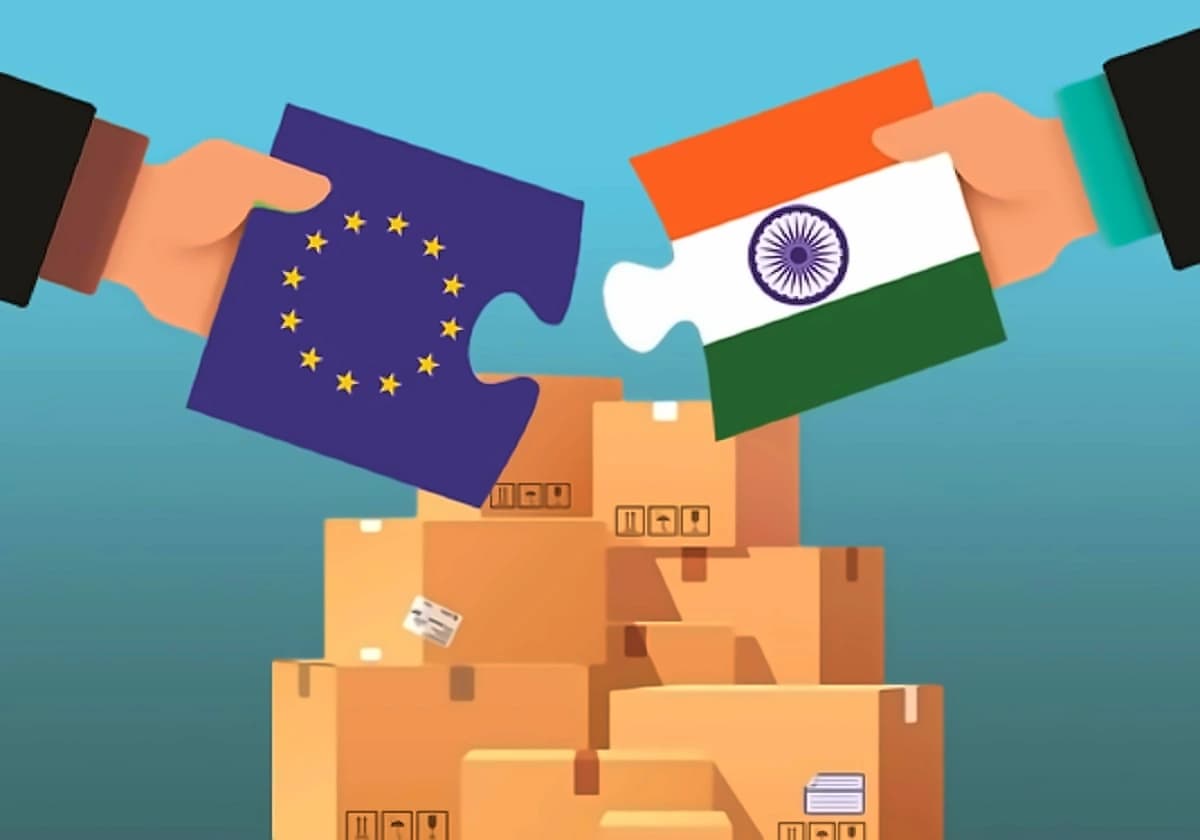
Union Commerce Minister Piyush Goyal announced that India's free trade agreement with the European Union will be operationalized in the first quarter of 2027 after being signed by the end of 2026. Speaking at the Berlin Global Dialogue in Germany, Goyal stated that the EU agreement was announced on January 27 and will be signed before the end of the calendar year 2026. The minister is currently on a six-day visit to Germany and the Netherlands, which will conclude on Tuesday, aimed at deepening strategic economic partnerships and expanding bilateral trade. During his visit to Amsterdam, Goyal also urged Indian-origin professionals and academics to collaborate with Indian institutions and mentor start-ups. Indian Ambassador to Stockholm Anurag Bhushan confirmed that Sweden is keener than many other EU countries to leverage the India-EU FTA, which is likely to be operationalized by January 2027. Goyal's remarks came during an interaction with the Indian diaspora in Amsterdam on October 25, outlining the expected timeline for implementing the agreement.
Indian businesses stand to gain significantly from the India-EU FTA through substantial tariff reductions in labour-intensive sectors. According to Business Standard, duties currently at 4% to 26% will be substantially reduced or eliminated for sectors including textiles and apparel, leather and footwear, marine products, engineering goods, and gems and jewellery. For Sweden, advanced industrial machinery, precision engineering, high-technology equipment, specialty chemicals, and medical devices offer immediate potential as India opens up 92.1% of its tariff lines to European exports. Swedish companies currently operating in India include Volvo, Scania, SKF, AstraZeneca and Ericsson, with 300 Swedish companies present in India for a country of 10 million people and gross domestic product of $670 billion (FY25). The bilateral partnership extends beyond traditional sectors, with India and Sweden planning to hold an investment summit next year and Swedish private-equity leaders, such as EQT and Nordea, looking at stepping up their capital commitments to India after the FTA becomes effective. With a combined market estimated at over ₹2091.6 lakh crore ($24 trillion), bringing unparalleled opportunities for the 2 billion people of India and the EU, the FTA unlocks significant potential for trade and innovation.
Textiles and apparel exporters could gain from the removal of EU import duties, improving their price competitiveness against suppliers from competing countries. Watch for fresh export orders and margin improvement as Indian textile and apparel exporters benefit from improved market access. Leather and footwear sector is among the direct beneficiaries of the proposed duty concessions, with lower import duties in Europe making Indian products more competitive. The benefit will vary with each company's EU exposure, but the sector stands to benefit significantly from reduced tariff barriers. Gems and jewellery exporters could benefit from preferential access to European markets, potentially supporting export growth through reduced tariff-related costs. Marine products and seafood exporters are expected to receive improved tariff access, which could help Indian seafood exporters compete in Europe with the impact depending on product-specific concessions and compliance with EU food-safety standards. Chemicals and specialty chemicals companies could benefit from lower EU tariffs on covered products, with companies having established European customers and products eligible for concessions better positioned to benefit. Pharmaceutical companies could benefit from improved trade conditions and opportunities to expand in Europe, though regulatory approvals and competition remain important determinants.
The EU's steel safeguard regime has undergone significant changes, with the new framework reducing duty-free tariff-rate quotas (TRQs) by roughly 47% and increasing the out-of-quota duty from 25% to 50% effective July 2026. According to Business Standard, New Delhi has secured a steel quota of over 1.9 million tonnes under the EU's country-specific and residual quotas. Indian government officials estimate that the country's annual steel exports to the EU may stand at 2.8 million tonnes. India exported 3.8 million tonnes of steel worth $3.4 billion to the EU in 2025-26, as per Department of Commerce data. The latest developments show that since July 1, 2026, the EU has tightened restrictions on steel imports, operating a new system of tariff-rate quotas capping steel imports eligible for duty-free access at 18.3 million tonnes annually across covered product categories. The new framework also expanded the range of steel product categories covered and introduced stricter traceability requirements, including 'melt-and-pour' reporting, which requires importers to identify where the steel was originally melted and cast.
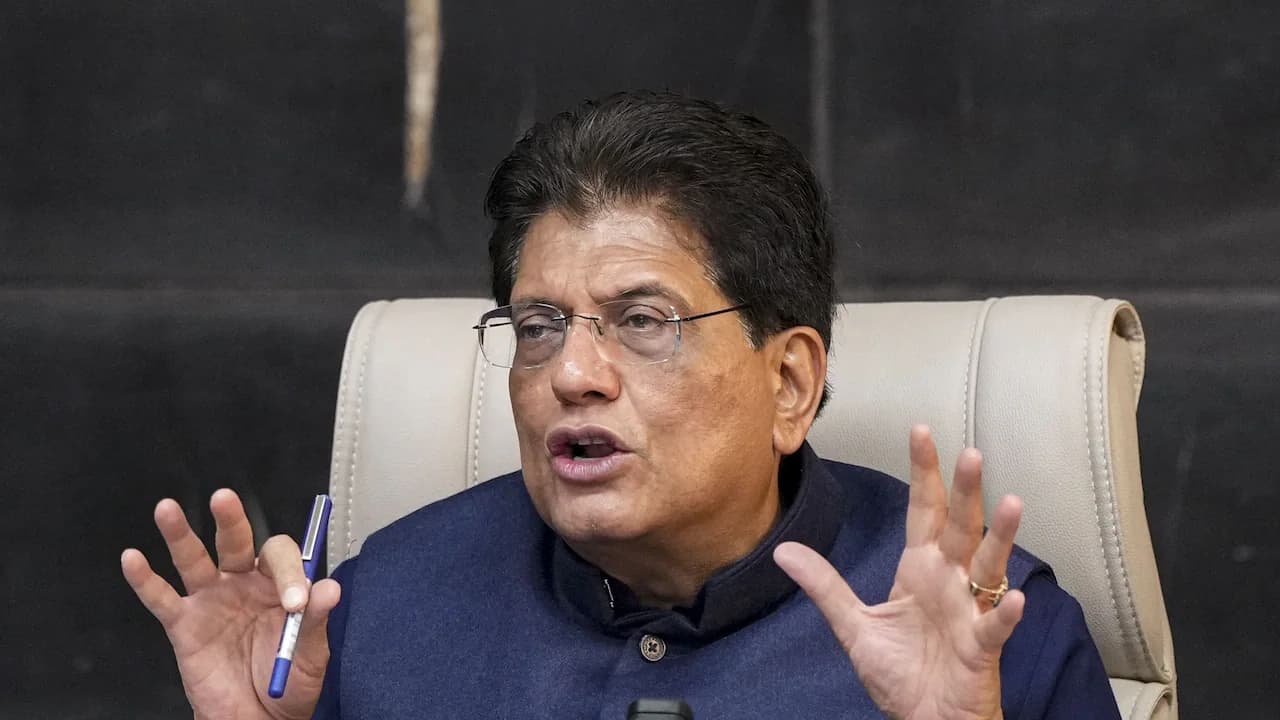
Highlighting the growing regulatory burden in Europe, commerce and industry minister Piyush Goyal Monday said businesses wanted greater freedom, simpler procedures and less paperwork, while urging Dutch companies to deepen their engagement with India and tap opportunities in its expanding economy. Speaking at the India-Netherlands Business Forum, Goyal said he had repeatedly raised the issue and that businesses had privately told him he should have spoken more on it. "The world wants deregulation. The world wants more freedom. The business world is looking for less compliance burden, simpler processes, simpler procedures, less paperwork," Goyal stated. However, Dutch foreign trade and development cooperation minister Sjoerd Sjoerdsma emphasised the need for regulations, while adding that the EU was trying to simplify them. Sjoerdsma noted that "The European Commission is currently implementing an agenda of deregulation. At the same time, certain rules and regulations are crucial to protecting consumers in the European Union, whether it comes to climate, product quality or product safety." India and Sweden have set a medium-term objective during the Gothenburg Summit in May to double bilateral economic exchange, trade, and investment within five years, providing clear strategic direction for businesses and investors on both sides. Indian Ambassador Anurag Bhushan emphasized that the aim is to ensure the FTA translates into tangible gains on the ground — increased trade and investment, stronger supply-chain linkages, and new opportunities for businesses in both countries. Beyond formal approval processes, implementation will depend on ensuring businesses have timely and accessible information on tariff reductions, rules of origin, Customs procedures, and standards. The partnership extends to talent mobility, with the India-Sweden Joint Action Plan 2026-30 providing a bilateral framework for advancing cooperation in IT, artificial intelligence, life sciences and the green transition. The India-EU FTA complements mobility cooperation through provisions for temporary movement of specified categories of professionals in connection with trade in services, with the Indian community in Sweden, numbering around 90,000, serving as a vital bridge between the two countries. Bilateral merchandise trade between India and the EU has demonstrated sustained growth, valued approximately at ₹11.5 lakh crore ($136.54 billion) in 2024-25, with India exporting roughly ₹6.4 lakh crore ($75.85 billion) to the EU. India-EU trade in services reached ₹7.2 lakh crore ($83.10 billion) in 2024, highlighting the comprehensive nature of the bilateral economic relationship.