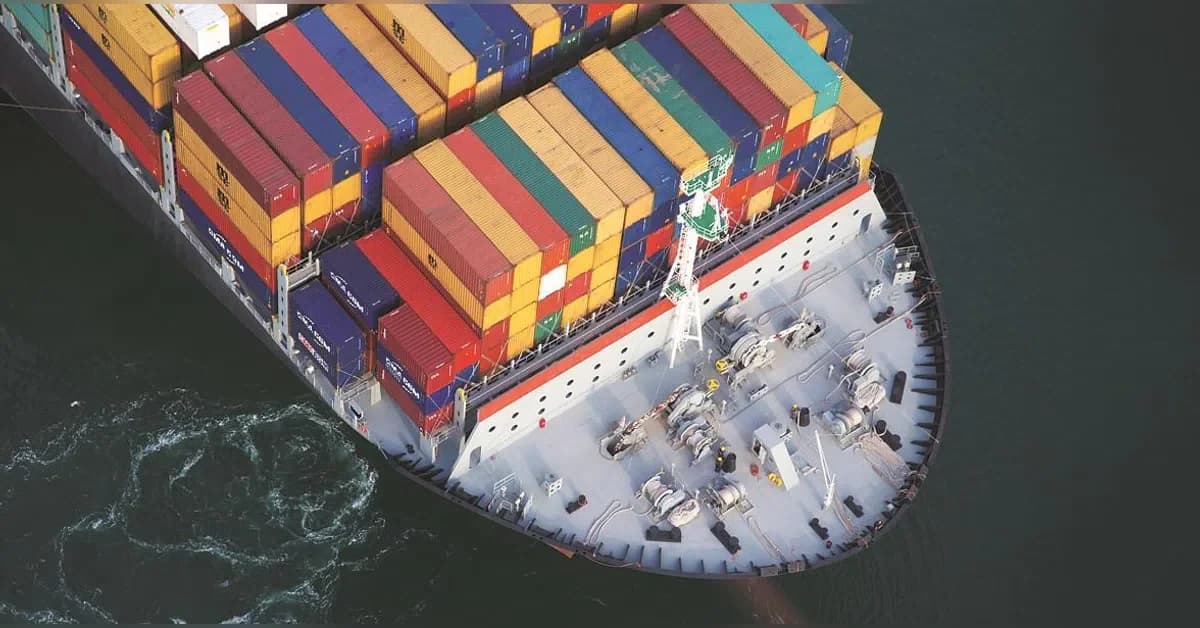
Global container freight rates have experienced a dramatic 130% increase since February 2026, driven primarily by renewed tensions in the Middle East, according to a Jefferies report. Shipping costs have risen sharply from approximately $2,000–2,500 in February 2026 to around $4,000–4,500 in October 2026. This surge represents a significant reversal from the prolonged period of easing freight rates that characterized much of 2025 and early 2026, when demand-supply balance had improved following elevated rates in 2024. The renewed increase in shipping costs has brought freight rates back into focus for businesses involved in international trade, as rates had remained relatively low in early 2026 before the recent surge.
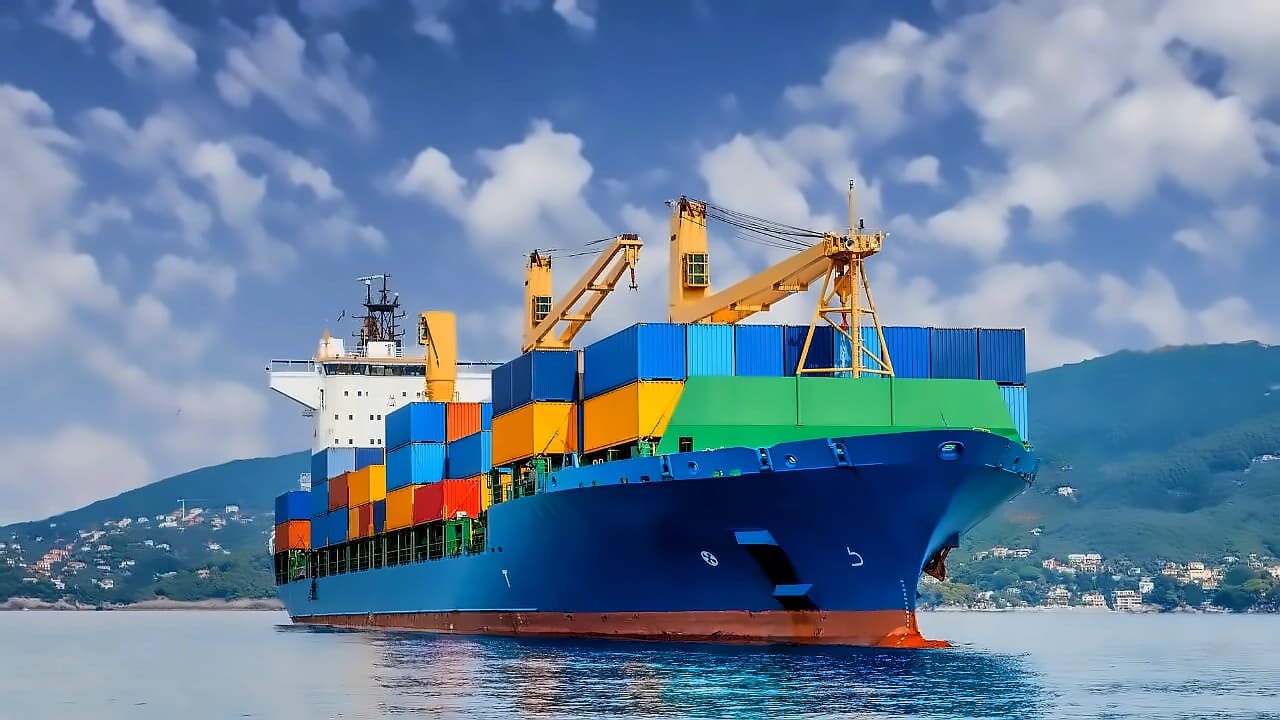
Despite rising freight costs, India's container-based export-import trade continues to expand robustly. According to Jefferies data, the value of India's container-based exports and imports rose 23% year-on-year in September 2026. Exports increased 22% during the month, while imports grew 23%. However, trade performance varied significantly across destinations, with India's exports to the United States registering a 48% year-on-year increase in September, while shipments to the United Arab Emirates (UAE) and Saudi Arabia fell 12-15% compared with the same month last year. The strong trade growth comes at a time when international trade flows are expanding globally, though the report's figures do not establish that higher freight rates have already slowed India's export-import growth.
Port activity across India showed mixed movement in September, with major ports recording 13% year-on-year growth in cargo volumes, while non-major ports experienced a 1% decline. Within the non-major port segment, Gujarat registered a 3% increase in volumes compared with September 2025, while ports in Maharashtra and Tamil Nadu reported growth of 6-7%. However, major and non-major ports along India's eastern coast witnessed a sharp fall in volumes during the month, as reported by Jefferies. The differing trends across port categories reflect varying regional demand patterns and operational factors affecting different port clusters.
The Jefferies report identifies the potential impact of shipping lines resuming transit through the Suez Canal as a key factor to monitor, stating that this development could influence freight rates despite ongoing Middle East tensions. The report notes that freight rates have risen due to the impact of Middle East tensions, while any changes in shipping routes could keep the region's developments in focus for businesses reliant on international cargo movement. The data traces the movement in global container freight rates from their highs in 2021-22, showing the recent upswing has reversed the previous trend of declining rates. Changes in shipping routes could affect global freight rates, making developments in the region important for businesses dependent on international cargo movement.