According to former WTO Director-General Pascal Lamy, global trade is experiencing a fundamental shift from traditional protectionism to what he terms 'precautionism'. As reported by ABP Live English, this new approach prioritizes shielding people from risks including health, environmental, and national security concerns rather than safeguarding domestic producers. Lamy explained that this represents a significant departure from the WTO's 2005-2013 period when geo-economics still dominated over geo-politics, with trade handled according to WTO rules and proper dispute settlement mechanisms. "We are in a totally different world now," Lamy noted, emphasizing that international trade remains dynamic despite the fragmented economic order created by geopolitical tensions including US-China rivalry, Ukraine invasion, and Gulf war.
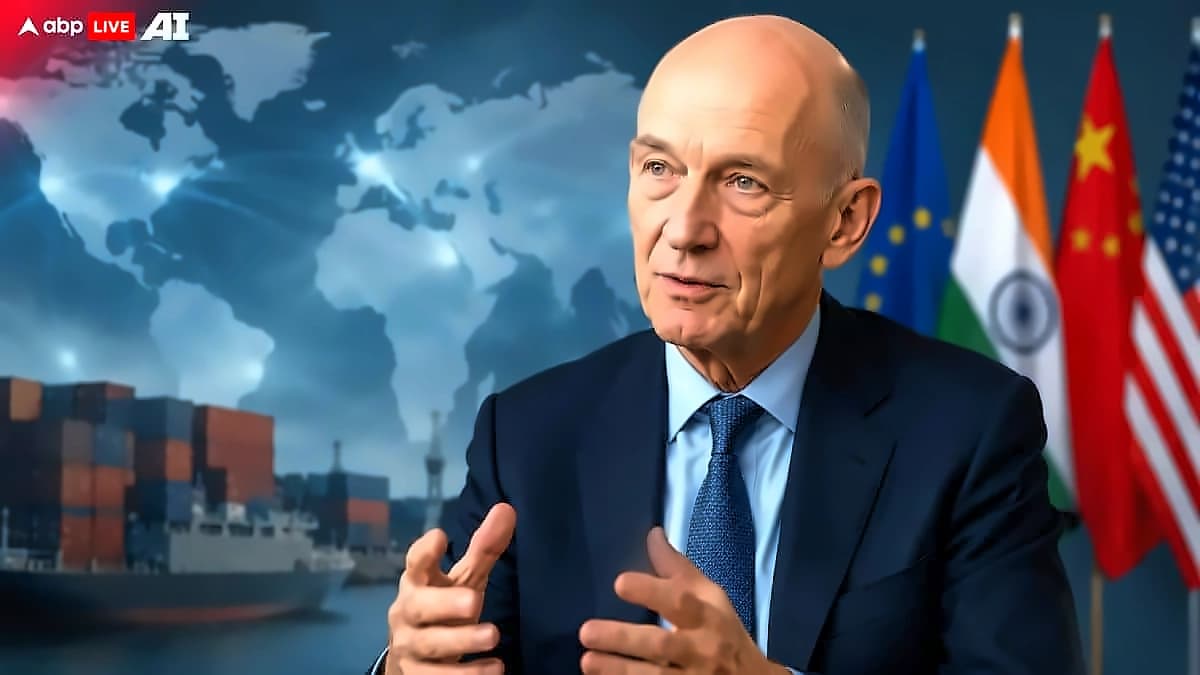
The United States has effectively withdrawn from the WTO de facto through procedural manipulation of dispute settlement mechanisms, according to Lamy's analysis. As reported by ABP Live English, the US has used these procedures in ways that prevent other WTO members from bringing disputes to adjudication. However, Lamy believes Trump will not succeed in overhauling international trade, noting that while the US represents 13% of world imports, the remaining 87% will not be significantly affected by a 10% average tariff fence. The WTO has responded by replacing the US-centric dispute settlement system with alternative mechanisms that include agreements between the EU and China. "The US are not in this system, so they are outside of the reach of the courts," Lamy explained, adding that "the US is sitting on the commitment they have taken to behave" despite their procedural manipulations.
According to Lamy's assessment, India should leverage its comparative strengths in services, education, and intellectual property to capitalize on trade opportunities. As reported by ABP Live English, India has not been as successful as China in industry development due to different political systems, but its strengths in services and education provide significant trade advantages. Lamy advised that India should focus on areas where it excels rather than pursuing self-sufficiency, which he noted is not trade-positive. He emphasized that bilateral trade agreements can be valuable if they reduce trade obstacles, recommending that India pursue both bilateral and multilateral trade agreements to open markets and catch opportunities. "I think what is important is to push where you are better than others. It automatically creates a trade opportunity," Lamy noted, recommending that India focus on its comparative advantages rather than pursuing self-sufficiency.
Despite Trump's tariff policies, global trade volumes increased significantly in 2024, demonstrating resilience in the face of trade disruptions. According to ABP Live English, international trade remains dynamic even with the fragmented economic order created by geopolitical tensions. Lamy noted that "China has positioned itself in the WTO as a major player, progressively shifting from a poor developing country, which was 20-30 years ago, to a reasonably dynamic, emerging country" and is following its own path. The recent WTO ministerial showed 60-70 countries moving forward with plurilateral agreements on electronic commerce despite US objections, indicating alternative mechanisms for trade cooperation. Lamy emphasized that "we have to look for alternatives and install some sort of order" as the world shifts from traditional tariff-based trade to precautionism, where non-tariff measures proliferate in different ways due to varying domestic regulations.