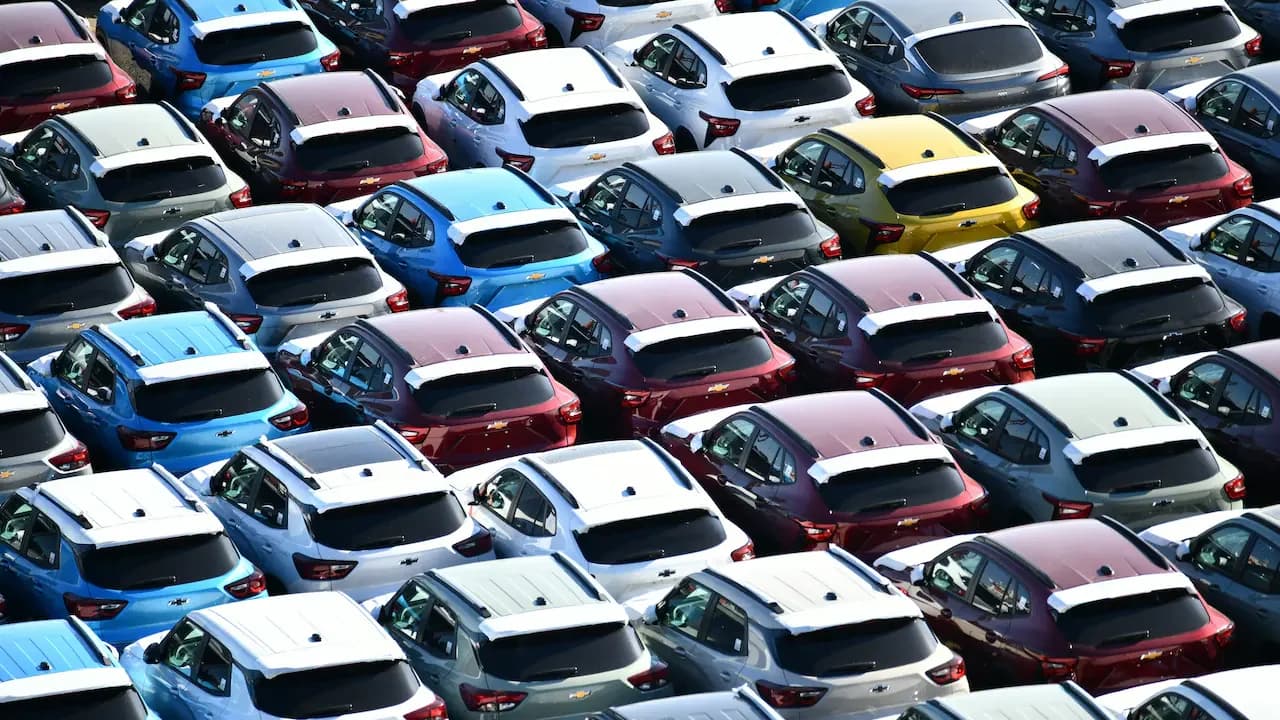
Commerce and industry minister Piyush Goyal announced that European carmakers would prefer to manufacture vehicles in India rather than their home markets. Speaking at The Dilli Dialogue in New Delhi, Goyal stated that "Finally India is going to become the global hub for car manufacturing. Everybody is going to come and manufacture in India and with Europe having such crazy regulations, it is going to be impossible to be competitive. All the European manufacturers will come to India." According to reports from The Times of India, this positioning reflects India's growing attractiveness as a manufacturing destination for global automotive companies, with the minister emphasizing that "India is going to become a global car manufacturing hub."
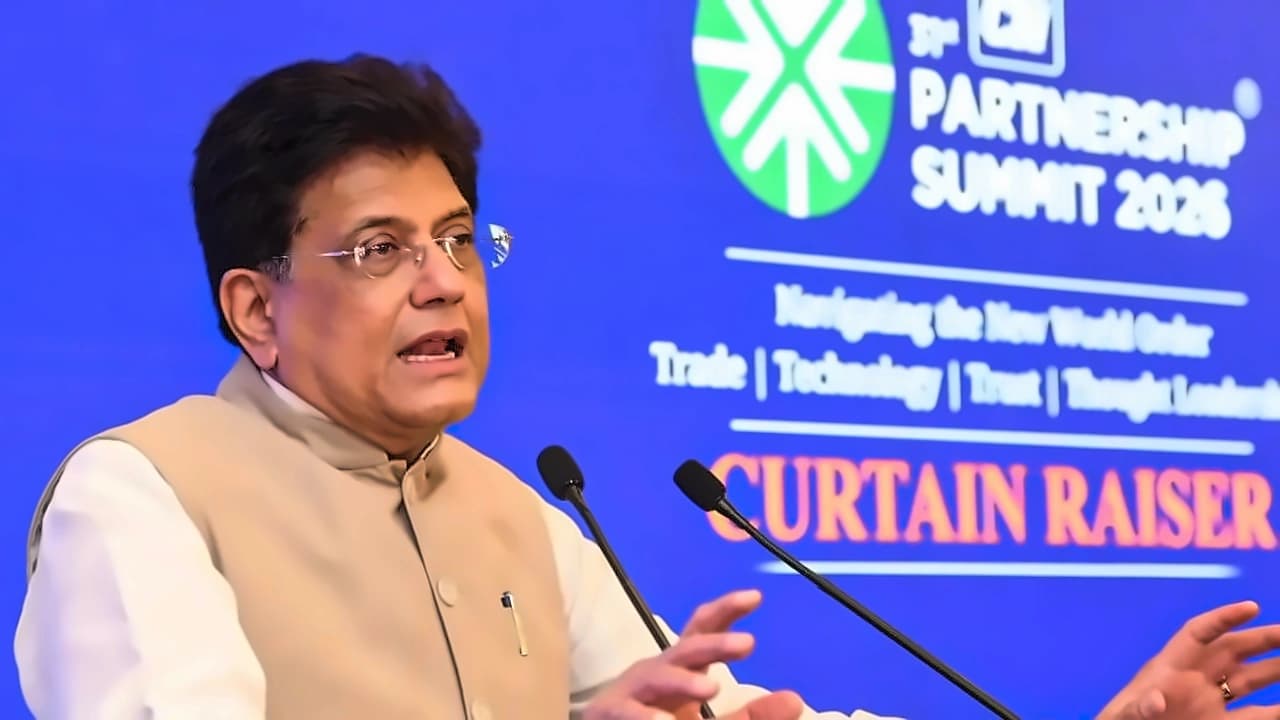
The minister highlighted India's proposed duty cuts as part of trade deals with the UK and EU, which are expected to further enhance manufacturing competitiveness. As reported by The Times of India, Goyal addressed the India-UK joint economic and trade committee meeting, emphasizing the potential for increased bilateral cooperation across multiple sectors. India has provided quota-based tariff concessions to the UK and the European Union (EU) in free trade agreements. The pact with the UK was operationalised on July 15, while the deal with the EU is likely to be signed by the end of this year. These trade negotiations are designed to create a more favorable environment for international manufacturers considering India as their manufacturing base.
Goyal referenced the Tata Motors experience with Jaguar Land Rover to illustrate the transformation potential for European manufacturers. According to The Times of India, he explained that "Tatas had so much trouble after they bought Jaguar. Tata Motors itself was going to collapse and then they put in a lot of re-engineering, and shift some models to India...Finally they were able to make money after years." This case study demonstrates how Indian manufacturing capabilities can turn around struggling European automotive operations through strategic restructuring and localization. The minister noted that though he did not elaborate on any EU regulations, India and certain other countries have raised concerns over EU's carbon border adjustment mechanism (CBAM).
Regarding India's broader economic outlook, Goyal announced ambitious export targets for the current fiscal year. As reported by The Times of India, the ministry is targeting USD one trillion worth of exports of goods and services this fiscal. The latest trade data shows strong momentum with exports rising 17.85% year-on-year to $215.91 billion during April-August this fiscal, while imports climbed 18.21% to $363 billion during the same period. This export growth trajectory provides additional confidence for international manufacturers considering India as their manufacturing base, as it demonstrates the country's expanding economic capacity and market potential.