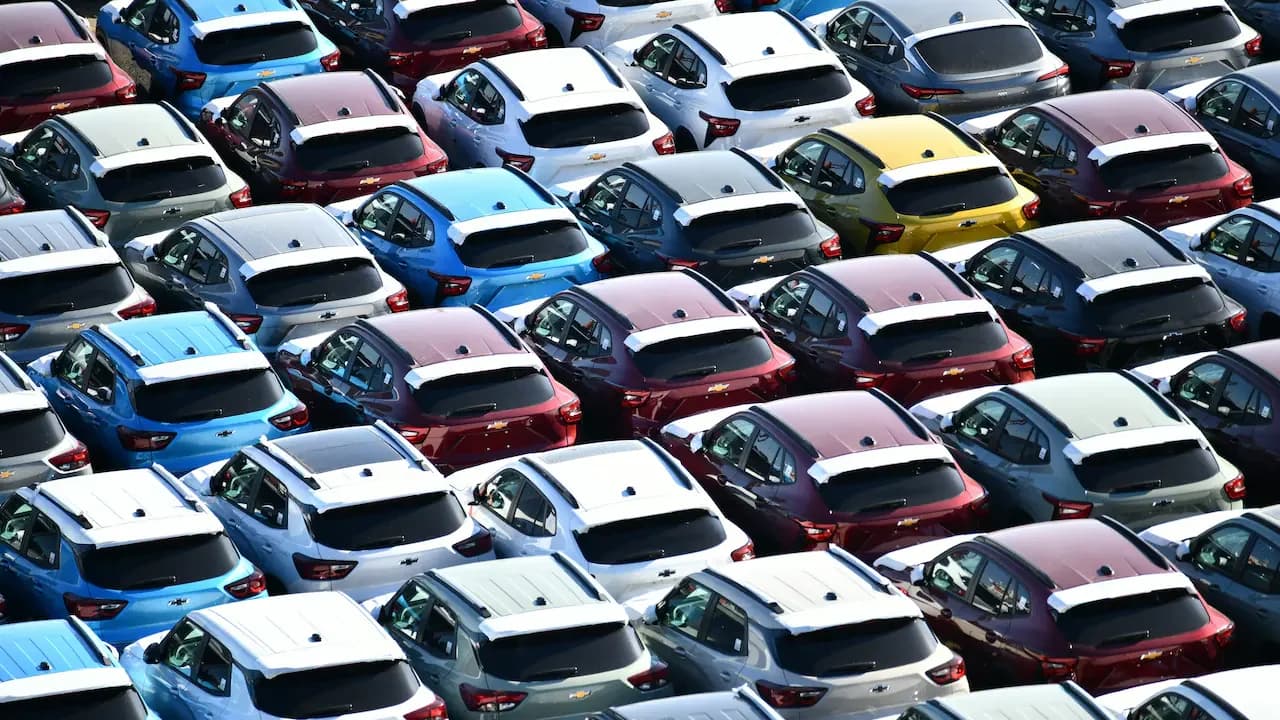
According to reports from NDTV Profit, newer foreign automakers are increasingly relying on imports, assembly, and partnerships rather than deep localisation when entering India. VinFast has shelved plans to manufacture three EV models in India and will instead assemble imported parts, as reported by Reuters. This trend contrasts sharply with earlier entrants such as Hyundai, Honda, and Toyota, who built comprehensive manufacturing operations and achieved significant localisation levels. The shift reflects a broader change in the economics of entering the Indian market, where companies now have multiple viable entry strategies beyond traditional manufacturing. Recent developments show that foreign companies are investing billions in local manufacturing capacity, with the automotive and packaging industries experiencing rapid growth.
As reported by NDTV Profit, companies are exploring multiple routes to enter the Indian market: importing finished vehicles, assembling CKD kits, using existing plants, partnering for technology, and sourcing selected components locally. BYD (2022) and Tesla (2025) are choosing to import vehicles instead of building or assembling operations in India. Tesla had previously considered a large manufacturing operation but decided against it due to spare capacity at global factories and insufficient Indian demand to justify major investment. Additionally, China's Chery and Jetout will provide technology and platforms to JSW, while Stellantis uses Tata Motors' platform for new Jeep SUVs. Recent projects by Japanese automotive suppliers such as Toyoda Gosei, Toyota Boshoku, and NITTAN demonstrate this trend, with companies building additional plants and expanding existing capacities closer to customers and growth markets.
According to NDTV Profit, the Production Linked Incentive (PLI) Scheme requires 50% domestic value addition and has awarded support mostly to incumbents such as Tata Motors, Mahindra & Mahindra, Kia, Hyundai, and Maruti Suzuki. The government also introduced the Scheme to Promote Manufacturing of Electric Passenger Cars in India (SPMEPCI) in 2024, allowing companies to import EVs at 15% customs duty for five years instead of higher normal rates. However, this scheme required ₹4,150 crore investment, manufacturing plant setup within three years, and 25% local value addition by third year and 50% by fifth year. The application window closed in October 2025 with zero applications, suggesting the economics of building entirely new EV manufacturing operations remain challenging. Despite these challenges, the Indian automotive supplier industry's revenue reached approximately ₹7.6 trillion ($85.9 billion) in the 2025/26 financial year, representing growth of 12.7%.
As reported by NDTV Profit, this flexibility creates both opportunities and risks for India's automotive sector. For consumers, easier market entry means more brands, more models, and greater choice. However, the outcome for domestic manufacturing remains unclear, as companies may choose different approaches based on commercial viability. Some companies will build deep manufacturing operations while others may rely on imports, assembly, or partnerships. The current duty on imported European cars is around 110%, which will decrease to 10% in phases under new trade deals, making delayed localisation more viable through phased import strategies. The Indian vehicle market sold approximately 28.3 million vehicles domestically in the 2025/26 fiscal year, with sales rising by 10%, and all major vehicle categories reaching record highs for the first time in seven years. This dynamic is remarkable, but foreign trade still exhibits dependencies, with exports of vehicle components rising 9.3% to ₹12.1 billion while imports simultaneously grew by approximately 12.5% to ₹12.3 billion.