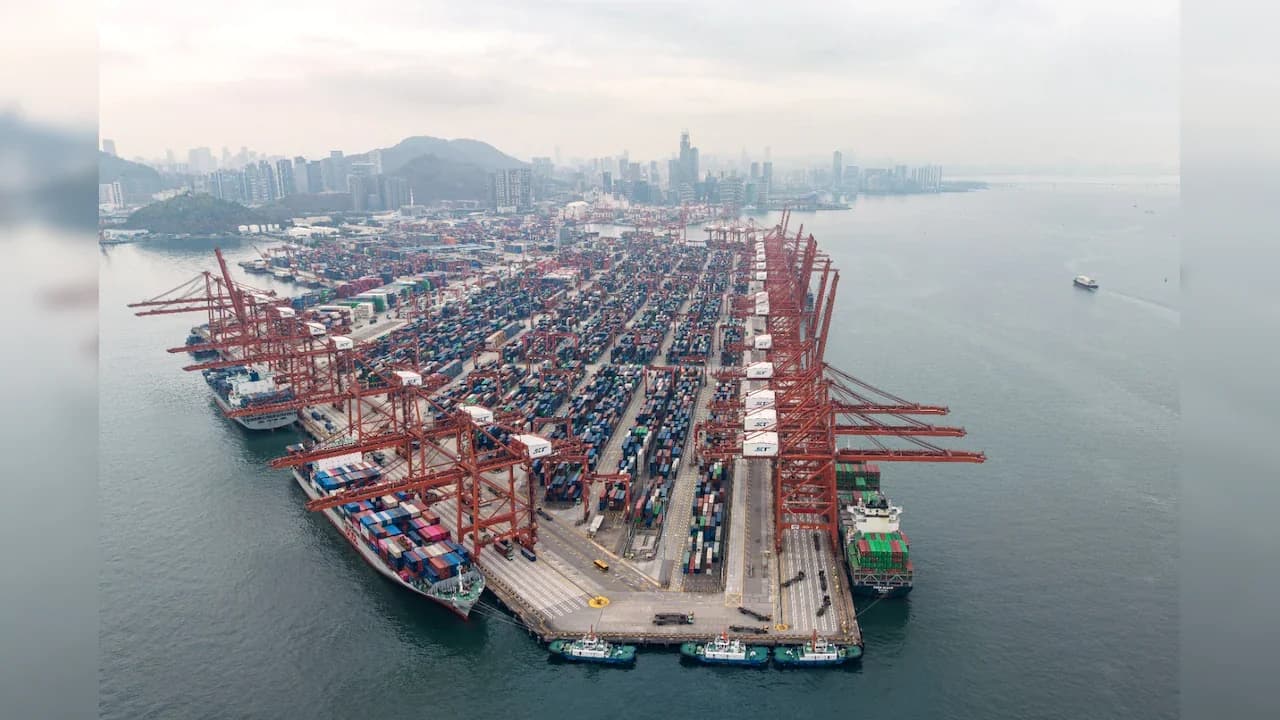
The European Union has implemented a significant change to its customs regime, introducing a flat €3 duty per product on B2C distance sales of low-value imported goods up to €150 from countries like China. According to reports from Reuters and the Greek City Times, the move represents Europe's first step towards curbing what it calls unfair competition from online retailers such as Shein, Temu, and AliExpress. The new framework takes effect from Wednesday, July 2026, directly affecting online shopping from abroad and aims to rationalize imports while enhancing transparency in the e-commerce sector. The measure has already demonstrated a deterrent effect, with many consumers cancelling their purchases upon seeing the total cost increase significantly.
The new duty structure creates substantial cost increases for consumers, with Reuters reporting that a parcel containing three different types of items would incur a total charge of €9, while a parcel containing multiple dresses or toys would be charged €3. The Greek City Times provides specific examples showing how the flat-rate system works - a €6 order can be burdened with an additional €9 due to the flat fee for three different products, resulting in a total charge of €15. However, the financial impact is set to increase further with an additional €2 handling fee per product being introduced EU-wide in November 2026, with the Netherlands potentially implementing it earlier from January 2026. This brings the total extra cost per product to €5, pending approval from the Dutch cabinet and coordination with other countries. As per Luxembourg's consumers union ULC, the new levy will place an additional burden on end consumers, as suppliers may raise prices to indirectly pass the customs duty on to customers.
The implementation has prompted significant market reactions, with Reuters reporting that Shein has been preparing for the change by expanding warehouse space in Wroclaw, Poland, and shipping more products to the EU in bulk. Amazon, which launched its Amazon Haul ultra-cheap service after Temu and Shein's rapid growth, said 97% of its EU shipments last year were fulfilled from warehouses within the bloc. However, many platforms based outside the EU have warehouses on European territory, which are not subject to the new customs duties. Shein operates warehouses in Belgium and Poland, while Temu has sites in Netherlands and Germany. As per ULC lawyer Chelsea Borboux, if ordered goods are located on European soil and dispatched from there, no customs duty is payable. Consumers can check the origin of parcels using product page information or tracking services to determine whether they are subject to the new duties.
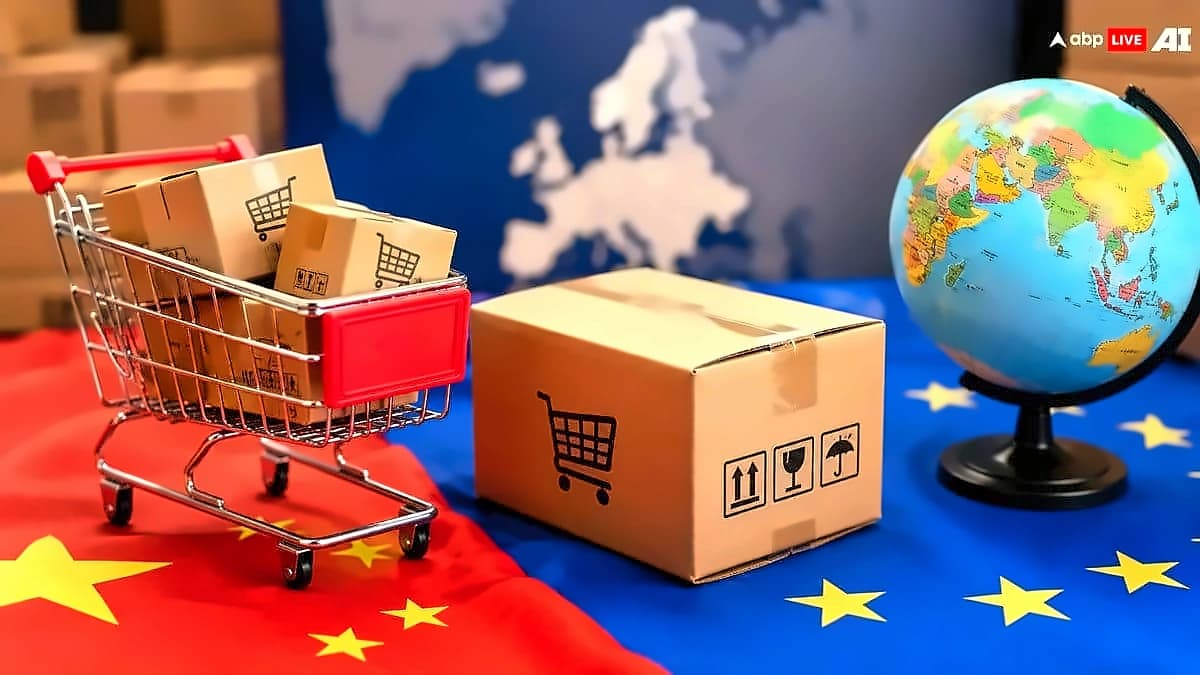
The new fee structure addresses a dramatic surge in low-value imports that has overwhelmed traditional customs exemptions. According to Reuters, e-commerce parcels entering the European Union under the exemption have surged from 1.4 billion in 2022 to 5.8 billion in 2025, representing a 343% increase in just three years. EU lawmaker Dirk Gotink, who leads the customs reform topic in the European Parliament, stated that "In a different trading world this made a lot of sense, but that world doesn't exist anymore. It's been turned on its head by e-commerce, especially from China." The exemption was "abused and misused on an industrial scale to create a competitive advantage at the expense of EU businesses," as Gotink explained. The US, their biggest market, ended its "de minimis" exemption for imports from China in May and for all imports at the end of August, making Europe an increasingly important alternative for these platforms.
To combat false declarations regarding parcel contents, the EU is introducing product identifiers known (PID) codes that will allow customs authorities to perform more accurate checks and ensure the traceability of goods. As reported by the Greek City Times, these codes will be scanned by customs authorities and in store warehouses, providing a more robust system for monitoring imports. The new special duty represents a temporary measure valid until July 1, 2028, after which all e-commerce goods will be subject to category-specific duties when the new EU Customs Authority begins operations. It is critical to note that if an order passes through customs after July 1, the courier may request an additional charge for delivery, even if the original purchase was made without anticipating this cost. When the IOSS system is used for VAT collection at the time of purchase, the process is simpler as no new liability arises upon delivery, providing a more streamlined approach for compliant e-commerce operations.