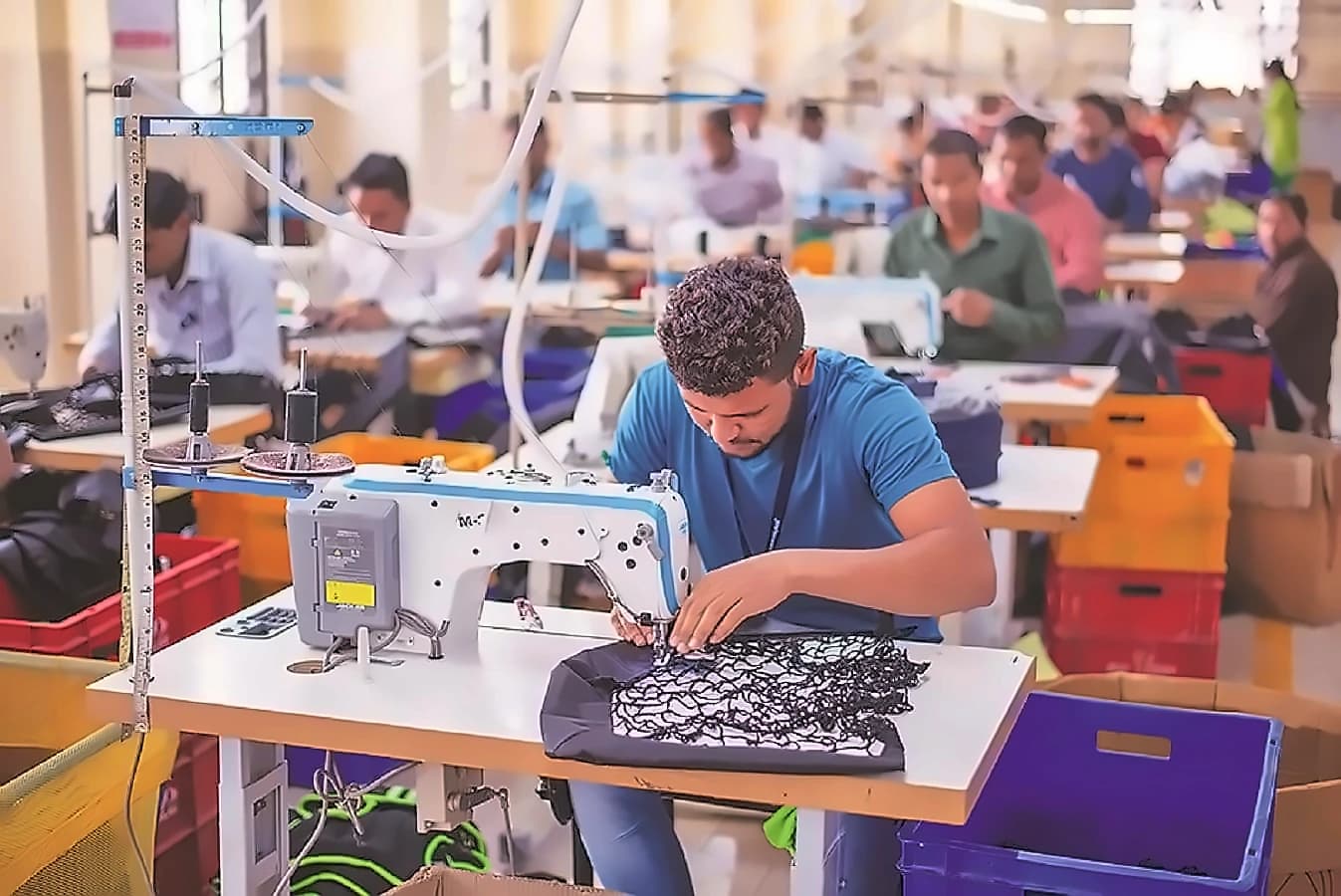
The India-EU free trade pact, finalised in January and slated for formal signing in Brussels on December 16, promises significant benefits for Indian exporters. According to reports from PTI, the agreement will eliminate duties on 93% of India's exports to the 27-member European bloc while easing access for European luxury cars and wines into the Indian market. India shipped goods worth $72 billion to the EU in FY26, and the proposed FTA is expected to expand trade flows by dismantling tariff barriers and creating greater opportunities for exporters across both markets.
Despite the tariff benefits, the Global Trade Research Initiative (GTRI) warns that compliance costs could offset these gains. As reported by Rediff Moneynews, GTRI Founder Ajay Srivastava emphasised that "even as duties fall at the border, the actual cost of selling in Europe is set to rise due to the EU's rapidly expanding regulatory regime." The regulatory framework includes eight key measures: the EU Deforestation Regulation, Carbon Border Adjustment Mechanism (CBAM), Green Claims Rules, Digital Product Passport, Forced Labour Regulation, Extended Producer Responsibility (EPR), Corporate Sustainability Reporting Directive (CSRD) and Corporate Sustainability Due Diligence Directive (CSDDD). These regulations cover sustainability, traceability, and human rights, requiring exporters to extract extensive data from suppliers and rigorously document manufacturing processes.
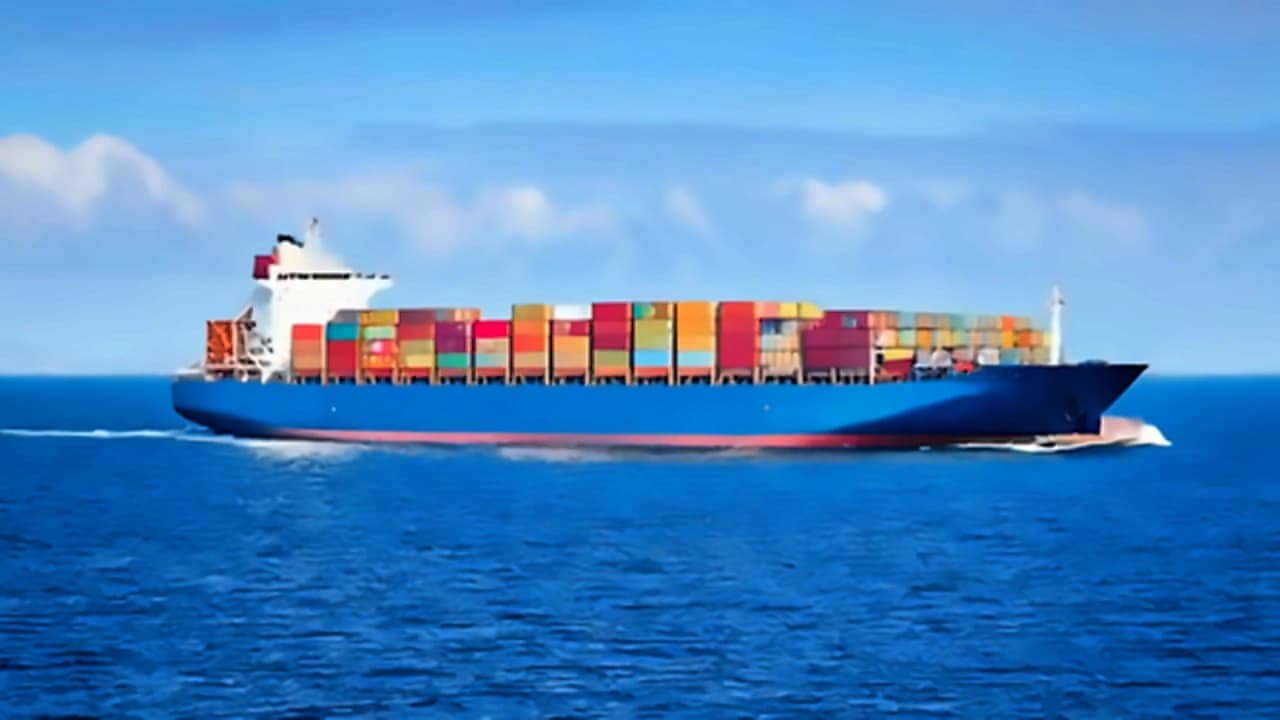
According to GTRI analysis reported by Rediff Moneynews, compliance will require gathering detailed supply-chain data, maintaining comprehensive records and establishing that manufacturing processes and products adhere to the bloc's environmental and social requirements. While large companies may have the resources to absorb these additional expenses, smaller manufacturers and exporters could face considerable pressure on their profit margins, potentially affecting their ability to compete for European orders. The regulatory burden could significantly impact smaller exporters' competitiveness in the European market, with compliance costs potentially making EU orders unviable for smaller Indian firms. As per GTRI, "steep compliance costs will hit small Indian exporters hard," with new EU regulations demanding rigorous documentation about product origins and emissions data from manufacturers.
To maximise the benefits of the FTA, GTRI emphasises the need for coordinated preparation efforts. As reported by Rediff Moneynews, Srivastava stressed that "preparing exporters for the emerging regulatory challenges would require coordinated efforts by the government, export promotion councils, manufacturing associations and businesses." He noted that "Indian exporters must proactively prepare to navigate this mounting compliance burden" to capture the maximum gains from the trade agreement. For smaller Indian factories in particular, absorbing these compliance expenses could ultimately determine whether fulfilling a European order remains financially viable. The think tank emphasizes the need for coordinated support from the Indian government and industry associations to help small exporters navigate these regulatory complexities.