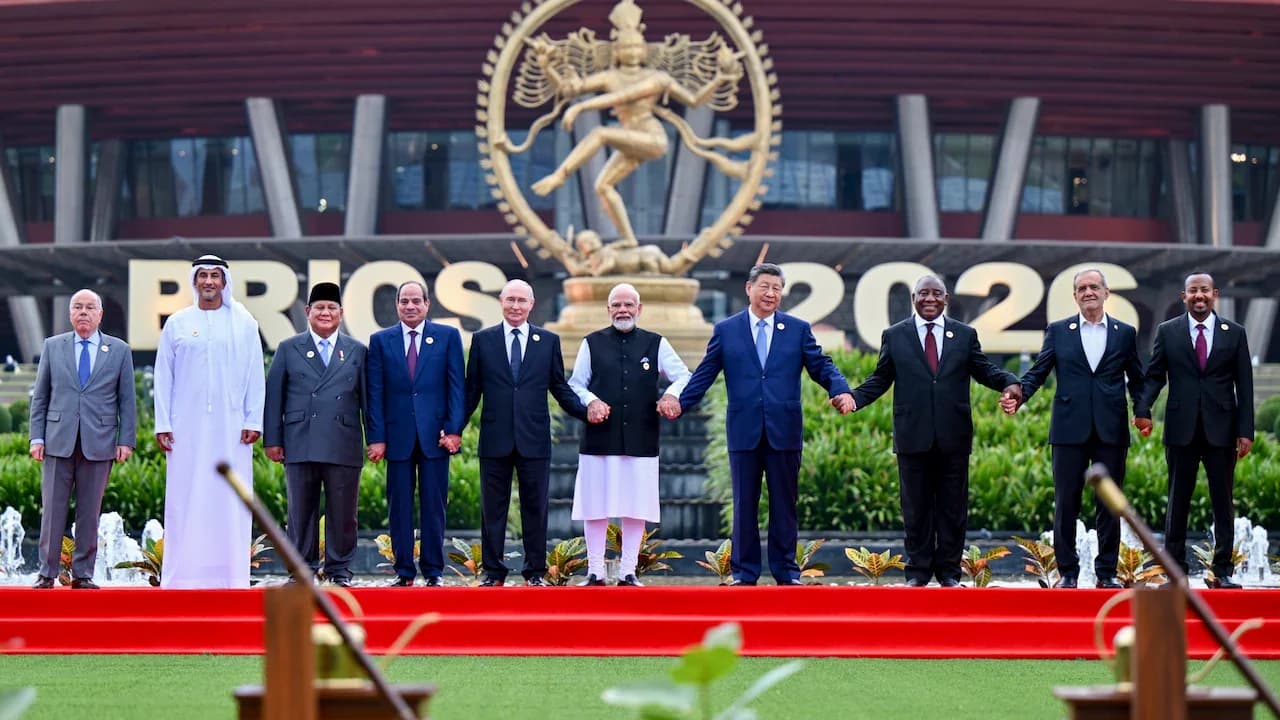
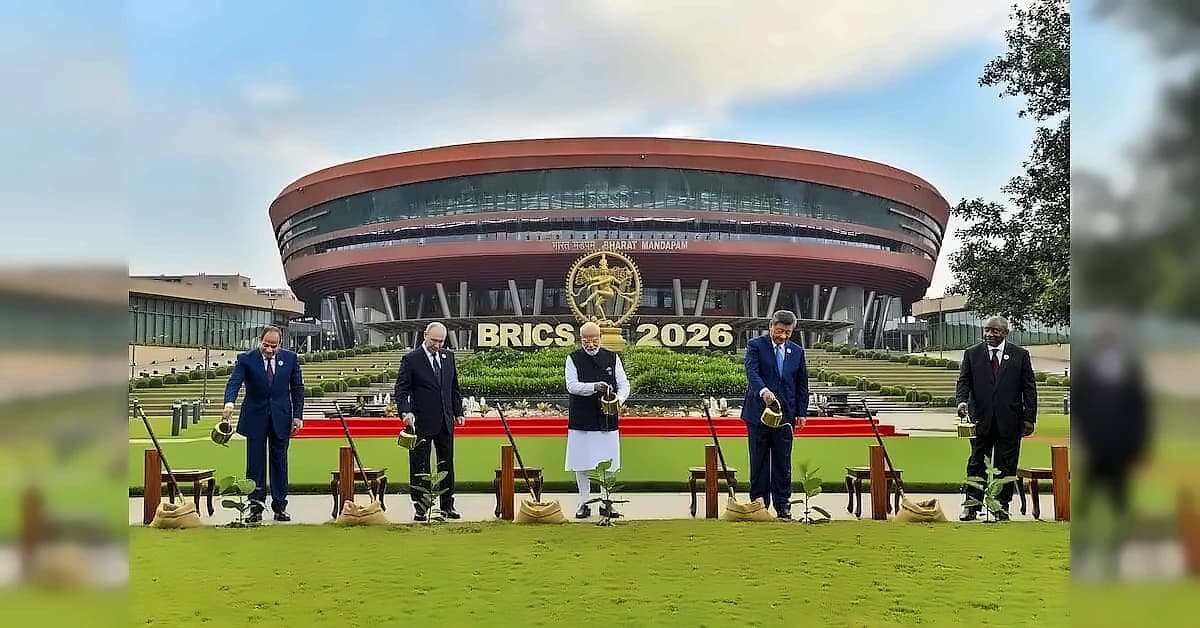
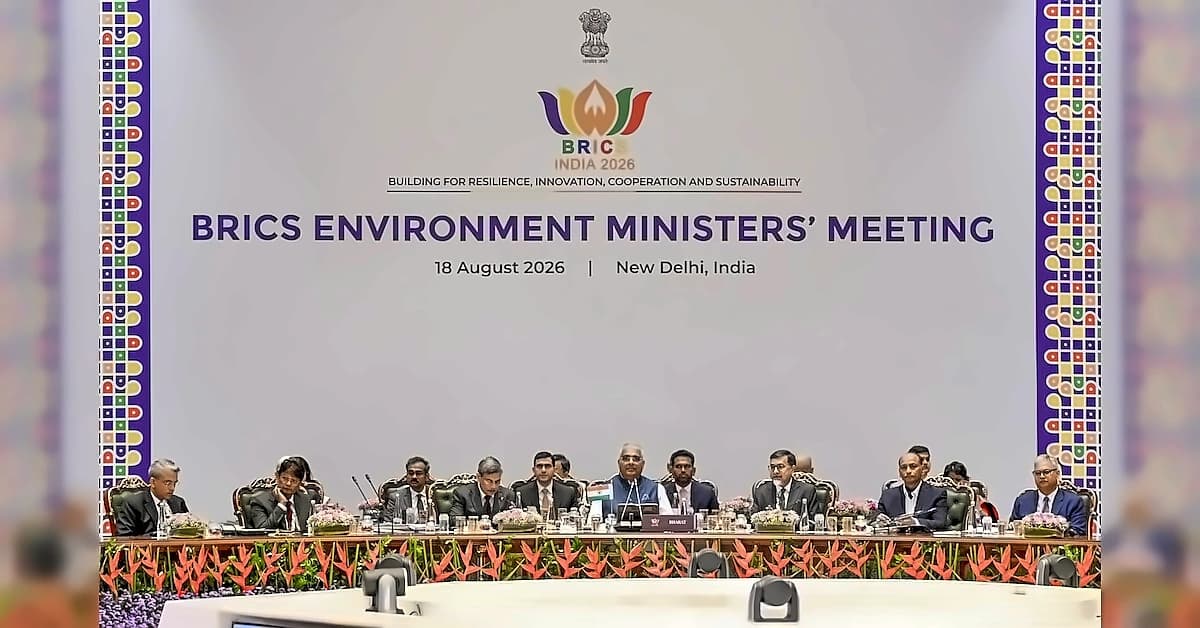
BRICS countries, including India, China, Russia, South Africa and Brazil, on Tuesday opposed the European Union's Carbon Border Adjustment Mechanism (CBAM), calling such measures 'unilateral, punitive, discriminatory and protectionist'. According to reports from The Times of India, the decision was taken at the 12th Brics Environment Ministers' Meeting held in New Delhi on August 18, 2026 under India's BRICS Chairship 2026. In their joint ministerial statement, the Brics countries said they opposed measures that were not in line with international law, expressing concern that such measures 'undermine efforts by countries, specifically the developing countries, aimed at addressing the adverse impacts of climate change, increasing adaptive capacity and resilience'. The statement was adopted unanimously at the conclusion of the meeting, reflecting a common position among the expanded 11-member grouping on carbon-related trade barriers.
CBAM is the EU's carbon border tax on carbon-intensive goods imported into the bloc, designed to put a price on the carbon emissions generated during the production of goods entering the EU. As reported by The Times of India, the mechanism covers six sectors: iron and steel, aluminium, cement, fertilisers, hydrogen and electricity. It entered its transition phase in October 2023, when importers had to report embedded emissions but did not have to pay the carbon levy. CBAM came into effect on January 1, 2026, requiring EU importers to buy CBAM certificates corresponding to the embedded emissions in covered imports, unless an equivalent carbon price has already been paid in the country of origin. India has opposed the mechanism since it was proposed, arguing that it places an additional burden on businesses in developing countries because of the emissions embedded in their products. The EU justifies the measure as intended to prevent 'carbon leakage' — the shifting of carbon-intensive production outside the bloc because of differences in climate policies.
India exports products covered by CBAM, including iron and steel, aluminium and fertilisers, to the EU. According to government data reported by Business Standard, India's iron and steel exports to the EU declined 13 per cent in the four months through April after CBAM's rollout. An Indian Council for Research on International Economic Relations (Icrier) study estimated that India's steel exports to the bloc could decline by 24 per cent because of the mechanism. However, recent analysis reveals that iron and steel account for about 90% of India's exports to the EU that fall within the CBAM framework, making India particularly exposed to the policy. A June 2026 Nature Climate Change study using shipment-level trade data found that high-emission Indian steel firms cut export quantities and revenues to the EU during CBAM's reporting phase, while lower-emission firms held their volumes. The European Union is India's third-largest trading partner, with goods trade worth €118 billion in 2025, accounting for 11.1 per cent of India's total trade.
At the same meeting, BRICS environment ministers urged developed countries to meet the 2025 commitment to triple adaptation finance to developing countries by 2035. According to EcoNiti Daily Brief, this demand highlights a persistent gap where adaptation historically receives less climate finance than mitigation. The BRICS statement is timed as a pre-COP31 position on both border carbon measures and the size of the adaptation-finance pledge, as COP31 is scheduled in Turkey in November 2026 with adaptation finance among the issues that failed to produce agreement at the June 2026 climate talks in Bonn. The bloc of nine developing economies has also pressed wealthy nations to deliver on the New Collective Quantified Goal (NCQG) reached at the COP 30 held in Belem, Brazil, to triple adaptation finance to developing countries by 2035. The definitive phase of CBAM has converted a European domestic carbon price into a border cost carried largely by developing country exporters, and the BRICS statement represents the first collective effort to frame this as a breach of differentiated responsibility rather than a technical trade irritant.