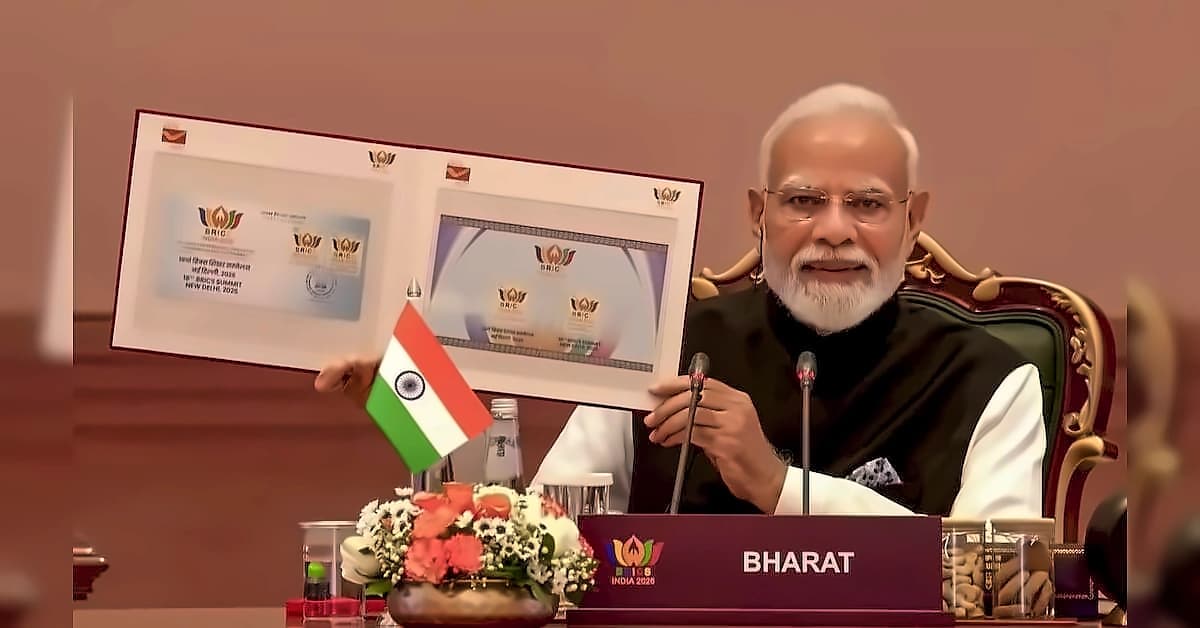
Prime Minister Narendra Modi delivered a strong warning at the BRICS Summit 2026 about the dangers of weaponising critical minerals and technology, stating that such actions could hinder shared progress among the grouping. Addressing the BRICS session on Resilience, Innovation, Cooperation and Sustainability, PM Modi emphasised that the weaponisation of technology and critical minerals could hinder our shared progress. He called for inclusive access to technology and stronger, more resilient supply chains as key priorities for the group. The warning comes as countries increasingly focus on critical-mineral supply chains that are "reliable, responsible, diversified, resilient, fair, sustainable, and just" under the New Delhi Declaration adopted unanimously by BRICS countries. With BRICS leaders, including Chinese President Xi Jinping, his Russian counterpart Vladimir Putin, Iran's Masoud Pezeshkian and others at the table, PM Modi stressed that India emphasised inclusivity in the adoption of technology during its presidency of the grouping.
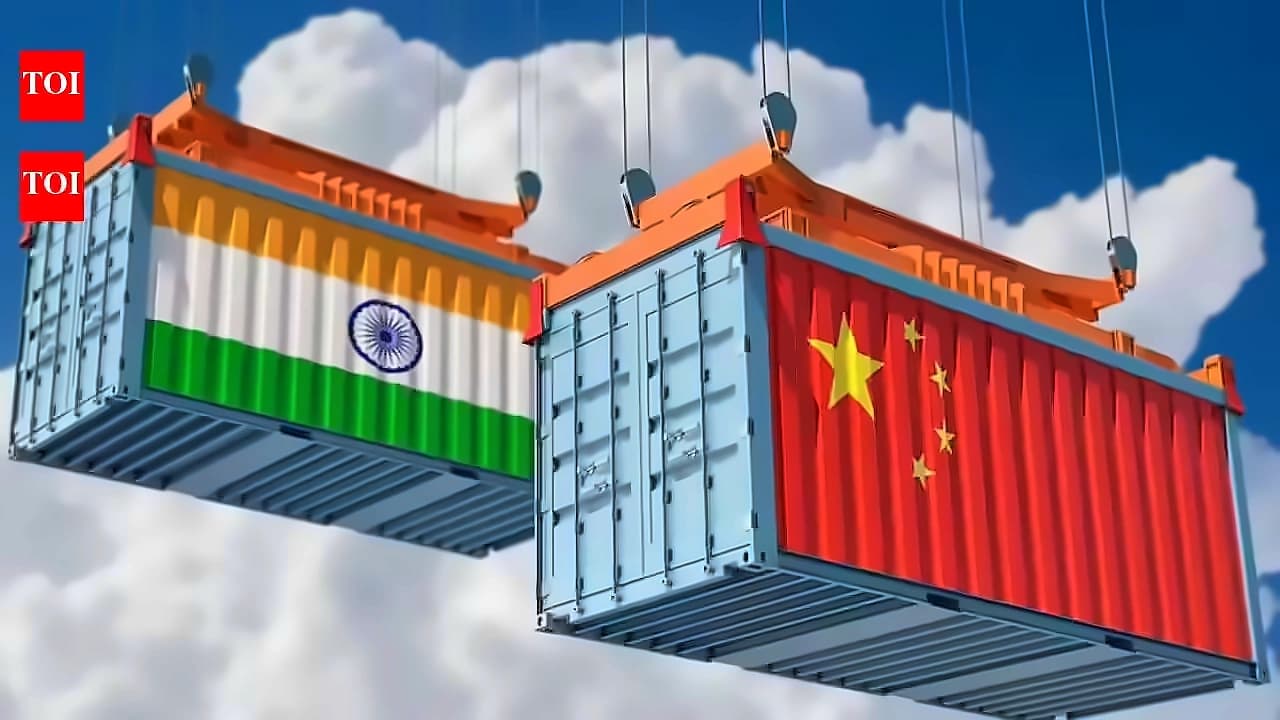
The BRICS 2026 Summit has delivered concrete commitments on trade resilience and supply chain security, with the group calling for reliable, diversified and resilient supply chains for critical minerals under the New Delhi Declaration adopted unanimously by BRICS countries. The declaration emphasizes that critical-mineral supply chains should be "reliable, responsible, diversified, resilient, fair, sustainable, and just" while stressing the need for such supply chains to ensure benefit sharing, value addition, and economic diversification in resource-rich countries. This commitment comes at a time when countries are seeking to reduce concentration risks in critical-mineral supply chains, particularly in processing and refining, amid rising demand for minerals used in electric vehicles, batteries, renewable energy, and other low-emission technologies. According to PwC India's Manas Majumdar, Brics countries such as Brazil, Russia, and South Africa collectively account for about 37% of global mineral reserves, while China has a disproportionately large share of refining capacity, processing around 91% of rare earths and more than 70% of cobalt and lithium. Indian officials said in paragraph 67 of the joint statement, the New Delhi Declaration, Brics countries affirmed the need to promote resilient and diversified supply chains of critical minerals.
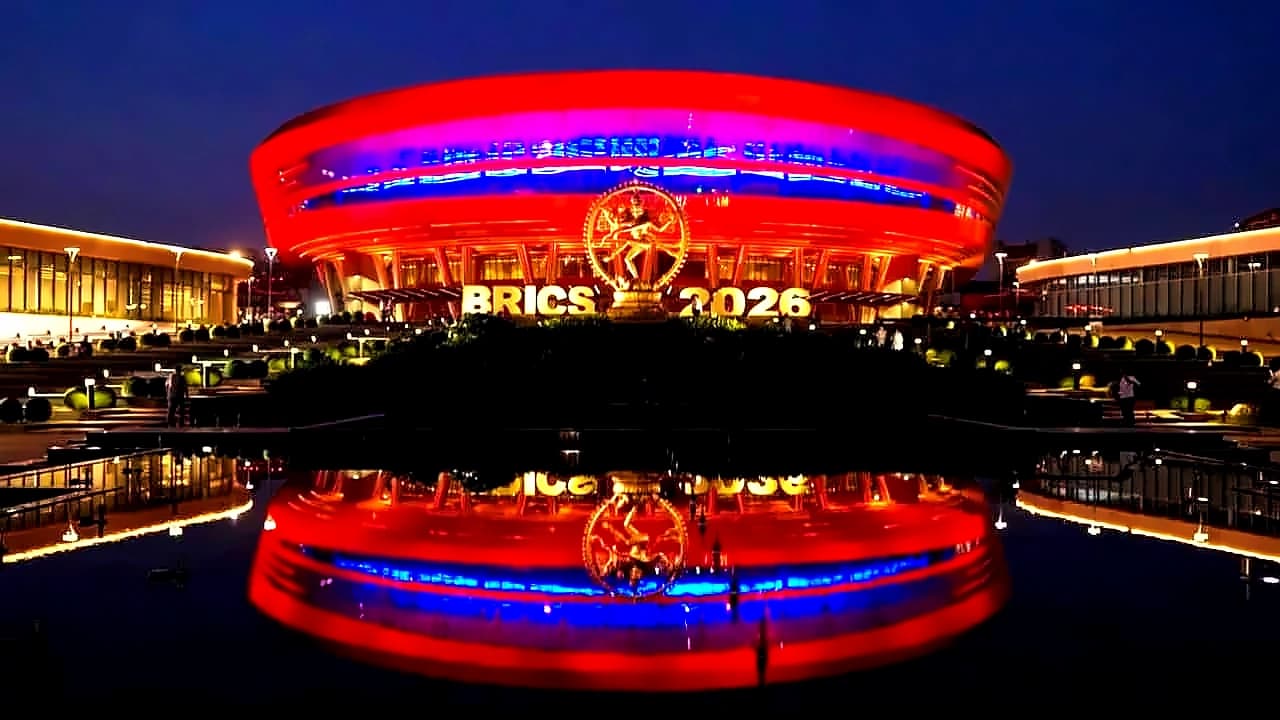
Coal and Mines Minister G Kishan Reddy revealed that India is actively pursuing overseas lithium acquisitions to address its limited domestic reserves. Speaking to reporters on the sidelines of the global summit, Reddy confirmed that India is in talks with Argentina to acquire five more blocks of lithium, while discussions are also on with Australia and Chile to secure additional lithium supplies. This strategic approach reflects India's recognition that India has limited lithium reserves, making it necessary to look overseas to secure supplies for the critical mineral essential for electric vehicle manufacturing and battery production. The government has identified 30 minerals as strategically important and launched the National Critical Mineral Mission in 2025 with a financial outlay of ₹34,300 crore to promote exploration, mining, processing, recycling and overseas asset acquisition.
The New Delhi Declaration has issued strong opposition to the Carbon Border Adjustment Mechanism (CBAM) and other unilateral trade measures that impede global commerce. As per the declaration, "We oppose unilateral, punitive, discriminatory and protectionist measures that are not in line with international law, such as carbon border adjustment mechanisms, and express concern that such measures undermine efforts by countries, specifically the developing countries, aimed at addressing the adverse impacts of climate change, increasing adaptive capacity and resilience." The declaration also "voices serious concerns about the rise of unilateral tariff and non-tariff measures which distort trade and are inconsistent with WTO rules." The European Union (EU) has been the first to implement CBAM and begin collection of a carbon tax, with the United Kingdom (UK) also planning to operationalise CBAM next year. CBAM has long been a concern for India, serving as a major sticking point during New Delhi's negotiations with Brussels for a free trade agreement.
PM Modi highlighted the rising number of tensions across the world that are having "significant and widespread negative impact" on ordinary people's lives. He noted that pandemics, climate disasters and supply-chain disruptions have demonstrated that in an interconnected world, crises could no longer remain confined to a single region. This global context underscores the urgency of the BRICS Agreement on Cooperation and Mutual Administrative Assistance in Customs Matters, which the grouping has welcomed convergence on and expressed willingness to proceed with signing. The declaration emphasizes "We encourage the BPTF (Brics Payment Task Force) to continue discussions, building on the ongoing work, to facilitate practical solutions for cross-border payments among BRICS countries, which are fast, low-cost, more accessible, efficient, transparent, and safe."
Egyptian smart meter technology company Iskraemeco has announced concrete plans to establish manufacturing facilities in India, with Chairman and CEO Mohamed Elsayed confirming the company's intention to set up factories in India, specifically targeting the Indian market and broader Asian region. As reported by ANI, Elsayed emphasized the company's commitment to establishing factories within India to cater for the Indian market and Asian markets as well. The Egyptian executive highlighted that cooperation between Indian and Egyptian businesses was growing and that the company also wanted to expand the movement of talent between the two countries, noting that Indian and Egyptian talents are more and more very competitive on a global scale. This development represents a concrete example of the manufacturing cooperation being discussed among BRICS member countries, with business leaders from Egypt, Ethiopia and Kazakhstan calling for more concrete economic cooperation during the BRICS Business Forum in New Delhi.
Industry leaders emphasized that India's 2026 BRICS chairship has positioned the country as a pivotal player in global energy cooperation, with Assocham President Nirmal Kumar Minda noting that the expanded bloc represents almost 60% of the global south and almost 60% of the world population. As per ANI reports, Vice President Anupam Vohra highlighted India's resilience against international disruptions, remarking that the nation remains one of the fastest-growing major economies despite global conflict and financial pressures. The New Delhi Declaration recognizes the key role of critical minerals in the development of zero- and low-emission energy technologies, energy security and the resilience of energy supply chains. According to PwC India's Manas Majumdar, India can champion a Brics collaboration framework focused on joint exploration, midstream technology sharing, and recycling; quite akin to the Quad Critical Minerals Initiative. The declaration encourages BRICS collaboration on interoperable standards and certification frameworks for zero and low-emissions hydrogen and appreciates the ongoing work on the BRICS Joint Report on Hydrogen Value Chains.