India's indigenous Black Tiger shrimp has staged a dramatic recovery, with exports climbing to ₹4,974 crore ($568.31 million) on volumes of 61,780 tonnes in 2025-26, marking the highest level in 13 years. According to reports from Business Standard, this represents more than a fourfold increase in value from the FY21 trough when exports had slumped to just ₹1,286 crore ($108.9 million) on 10,317 tonnes. The species had previously dominated India's shrimp exports, accounting for nearly 80% of the country's shrimp exports and around 11% of overall marine exports in 2010, before declining to just ₹321 crore ($397.81 million) in its debut year when Vannamei shrimp emerged as the dominant variety. Supported by a weaker rupee, export earnings touched a record ₹4,974 crore in local currency terms in 2025-26.
The turnaround began with early government intervention by the Ministry of Commerce and Industry through the Marine Products Export Development Authority (MPEDA). As reported by Business Standard, setting up a nucleus breeding centre in the Andaman and Nicobar Islands in 2014 proved to be the inflection point, focusing on domesticating and selectively breeding black tiger shrimp to reduce dependence on disease-prone wild broodstock. According to P Jawahar, chairman of MPEDA, this ensured farmers received high-quality pathogen-free black tiger seed, improving survival rates and productivity. The facility supplied quality parent stock for seed production, followed by training farmers in better management practices and antibiotic-free farming techniques.
The recovery was supported by disease-free breeding practices and improved farming techniques that eliminated the need for antibiotics as preventive measures. According to Business Standard, recurring outbreaks of white spot syndrome virus (WSSV) from the late 1990s had previously made farming highly vulnerable to disease and stress, with Japan imposing 100% inspection on Indian black tiger shipments after detecting banned antibiotic furazolidone. Following bilateral discussions, Japan lifted its import restrictions in December 2020, while expanding into newer markets such as China and the European Union has reinforced the recovery. The European Union could emerge as the principal growth engine, particularly if the proposed India-EU free-trade agreement materialises.
While black tiger shrimp has staged its comeback, Vannamei shrimp continues to dominate the Indian seafood export market. As reported by Business Standard, Vannamei shrimp, introduced in India only in 2009 and exported commercially from 2011-12, has seen export earnings surge from ₹3,288 crore ($397.81 million) in its debut year to ₹41,456 crore ($4.76 billion) in 2025-26. The variety now accounts for more than 65% of India's marine export earnings due to its faster growth, higher survival rates, and access to specific pathogen-free broodstock. India exported 1,972,018 tonnes of seafood worth ₹73,890.46 crore ($8.46 billion) during FY26, with frozen shrimp generating ₹49,037.93 crore ($5.62 billion) and accounting for 40.19% of total seafood export volumes.
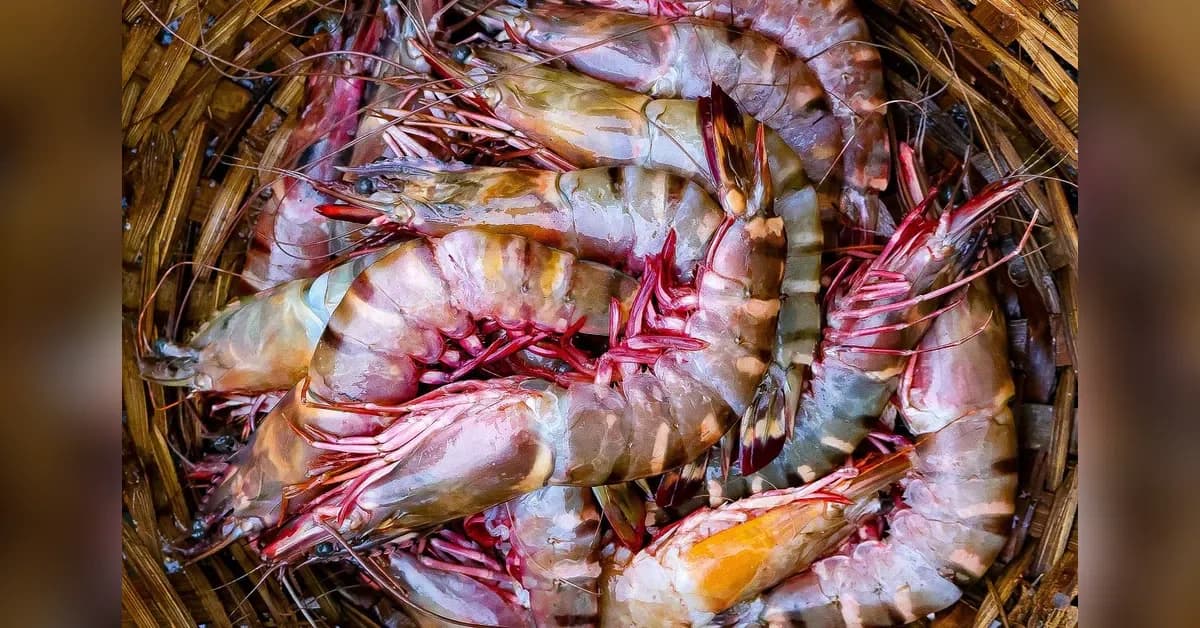
According to Anil Kumar P, joint director (marketing) at MPEDA, the resurgence of black tiger is more than a cyclical recovery, with the species now positioned to compete effectively in premium export markets. As reported by Business Standard, China and the EU are now major partners in shrimp exports, with the European Union potentially emerging as the principal growth engine if the India-EU free-trade agreement materialises. While Vannamei continues to contribute the lion's share of India's shrimp exports, MPEDA believes the black tiger's comeback represents a sustainable recovery driven by improved farming practices and disease-free breeding techniques that have restored the species' competitiveness in global premium markets.