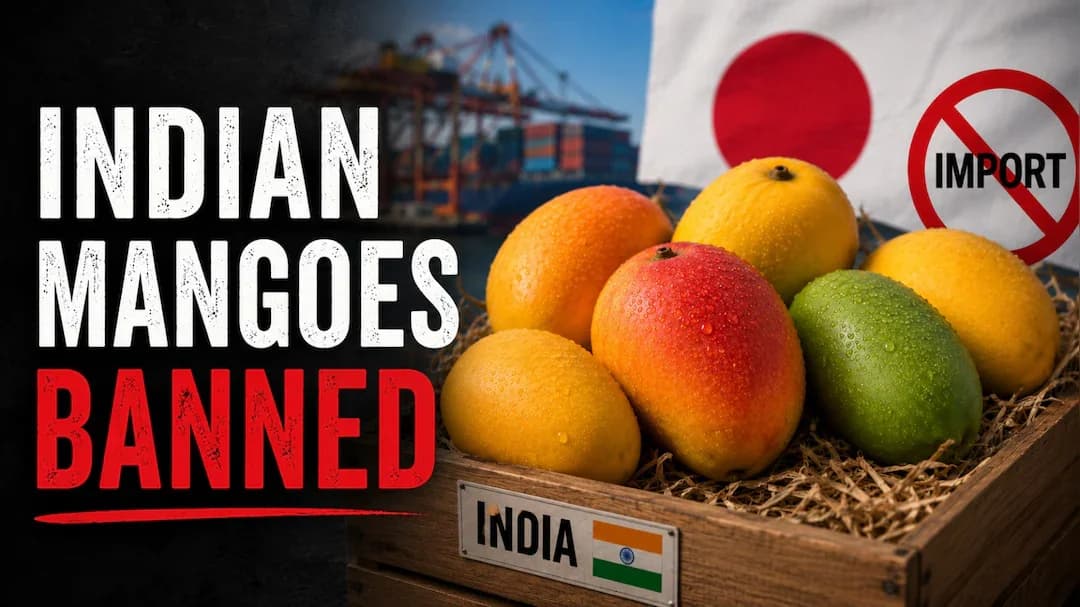
India's mango exports to Japan have been halted after Japanese quarantine officials flagged issues in pest-control compliance during routine inspections at treatment facilities. According to reports from The Economic Times, the decision has come just as the peak export season for summer mangoes gets underway, which will affect shipments of premium varieties that usually find strong demand in the Japanese market. The restriction applies to mango consignments cleared after March 25, 2026, following an inspection report that raised concerns about hygiene and disinfection standards at a Vapour Heat Treatment (VHT) facility in Uttar Pradesh's Rehmanpur. This marks the first ban in two decades, as Japan had previously lifted similar restrictions only in 2006 after nearly 20 years of restrictions over fruit fly contamination concerns. The suspension ends nearly two decades of uninterrupted access to the Japanese market.
The inspection was carried out in March by quarantine officials from Japan as part of their annual pre-season checks in India. According to reports from The Economic Times, officials noted lapses related to fumigation procedures and sanitation practices at the treatment facility. Japanese quarantine officials inspect Vapour Heat Treatment (VHT) facilities in India before each export season, and during recent inspections in March, officials reportedly identified gaps in fumigation and disinfection procedures. However, neither Indian nor Japanese authorities have released detailed technical findings from the inspection. VHT units are used to treat fruit before export through controlled exposure to heat and humidity, designed to eliminate insects and larvae without the use of chemicals and is a key requirement under the India-Japan plant health agreement. Following the inspection, Japan's Yokohama Plant Protection Association announced that shipments carrying Indian inspection certificates issued after March 25, 2026, would no longer be accepted. Imports will remain suspended until Japan is satisfied that operational standards have improved.
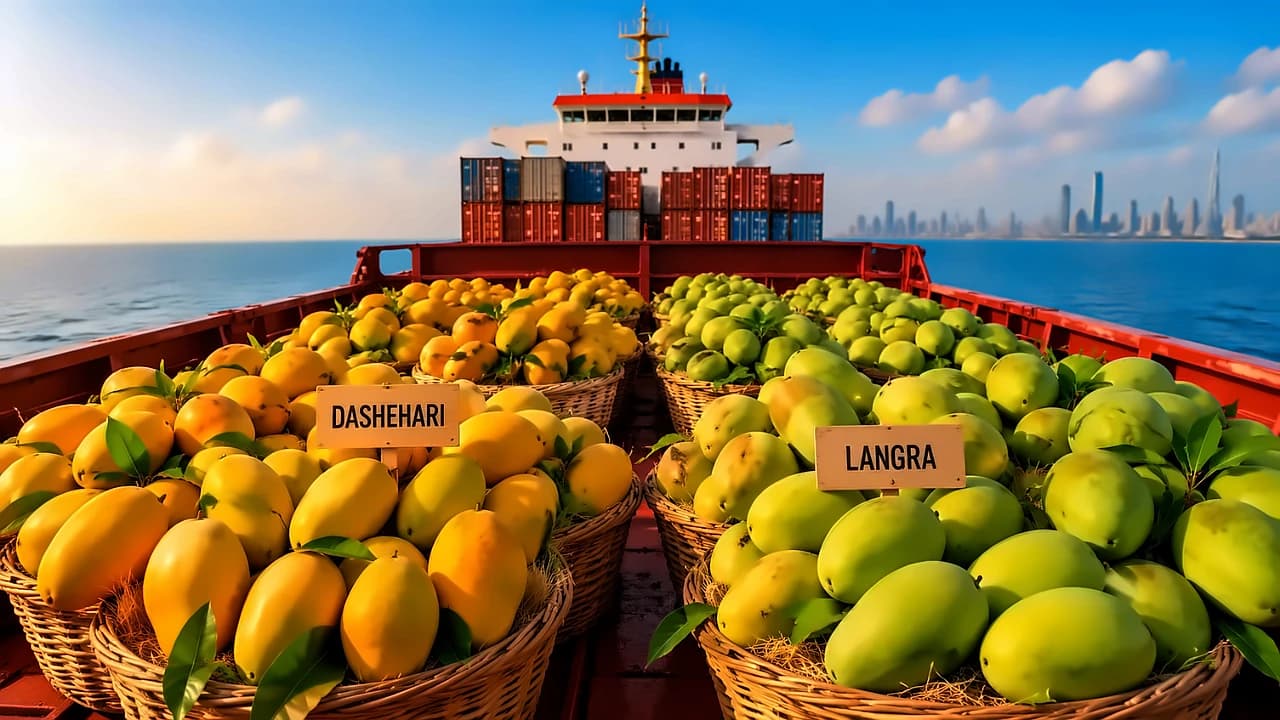
Although Japan is not among the largest importers of Indian mangoes, it remains a high-value destination for premium varieties. Indian varieties such as Alphonso and Kesar typically fetch premium prices in that market compared to other export destinations. The ban has disrupted exports during the crucial summer mango season and affected premium Indian varieties such as Alphonso, Kesar, Langra and Banganapalli. According to The Economic Times, Gujarat's Kesar mango accounted for the largest share of India's exports to Japan in 2025-26, making the disruption particularly significant for exporters in the region. Japan follows a zero-risk approach when it comes to invasive pests, especially fruit flies, which can threaten domestic agriculture if introduced through imported produce. The suspension is seen as a reputational setback for Indian agricultural exports, with exporters fearing the move could raise broader questions about India's quality-control systems and export compliance standards.
The timing of the ban has been particularly severe for Indian mango exporters, as mango farmers in Maharashtra, especially in the Alphonso-growing belt, are already facing severe crop losses this year due to extreme weather and heat linked to the El Nino climate pattern. Some government-backed surveys have estimated crop losses as high as 85–90% in parts of the state. For exporters, premium international markets such as Japan offer significantly higher profit margins than domestic sales, making the ban particularly damaging to growers and exporters dealing in high-value varieties meant for overseas consumers. Experts say India may now have to strengthen monitoring of treatment facilities, improve documentation and tighten pest-control compliance if it hopes to regain access to the Japanese market quickly, though with the mango export season running mainly from April to June, many traders fear that even if negotiations succeed, this year's season may effectively be lost. The suspension adds to growing pressure on mango exporters who are already facing rising freight costs, climate-related crop damage and ongoing trade disruptions linked to geopolitical tensions in West Asia.