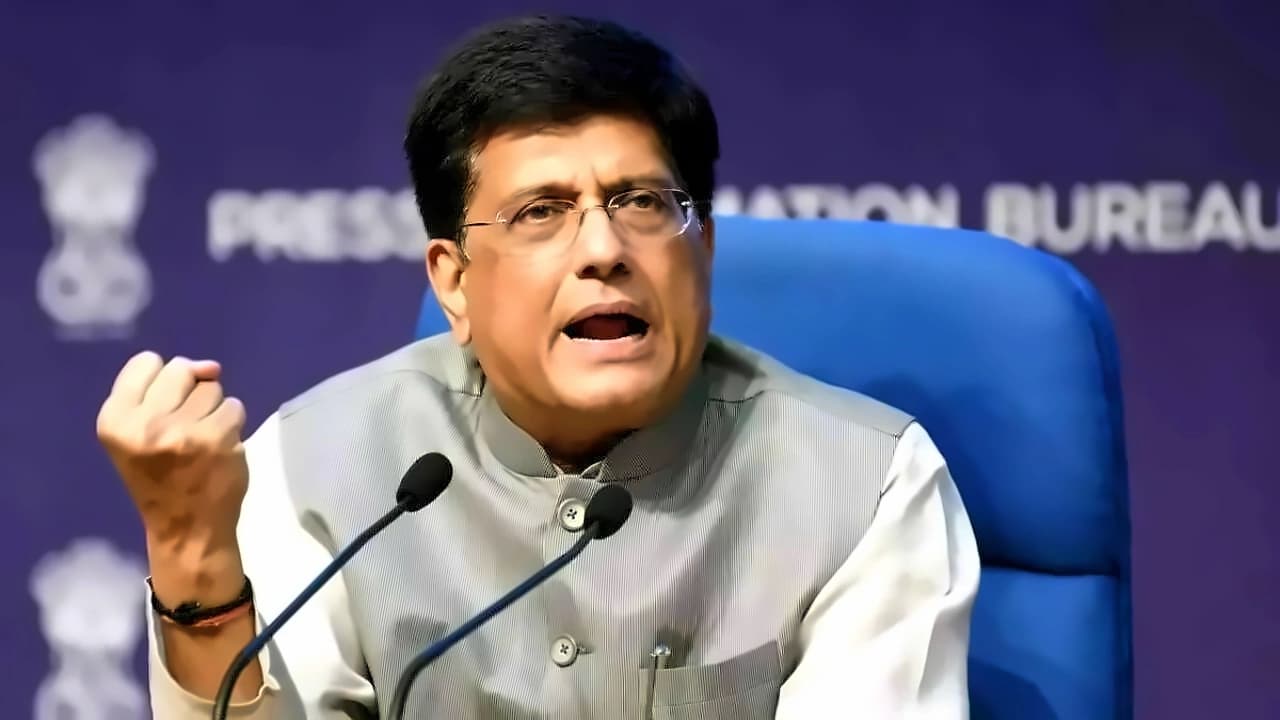
Bangladesh's newly formed wage board has agreed to implement a revised pay structure for garment workers from December, though the quantum of the increase remains undecided, according to Reuters reports. The move comes as wage protests entered their fifth day, with workers demanding a 140% wage hike to increase the monthly minimum wage from ₹1,25,000 ($101) to ₹30,000 ($310). The unrest began on October 31 around Dhaka, forcing hundreds of garment factories to suspend production and disrupting orders for major brands including H&M, Primark, and Walmart. A factory attack at Sparrow Group forced evacuation of more than 5,000 workers, with the company's head Shovon Islam noting that "this is the industry's busiest season" and major shipments were scheduled for November.
Any substantial increase in wages could narrow Bangladesh's traditional cost advantage over competing apparel-exporting countries, including India, potentially making Indian manufacturers more attractive to international retailers looking to diversify their sourcing bases. According to a comparative assessment by the Centre for Policy Dialogue in 2023, Bangladesh's monthly minimum garment-sector wage stood at approximately ₹9,600 ($113), significantly below India's ₹14,100 ($171) and several other competing countries including Vietnam (₹14,700), Cambodia (₹16,000), and Indonesia (₹20,000). China's figure was approximately ₹24,000 ($303). Industry officials say minimum garment sector wages in India typically range from ₹13,000 to ₹15,000 rupees per month, with Clifton Group's M. Mohiuddin Chowdhury noting that India is increasingly strong competitor due to its own cotton production and strong yarn industry, as well as government incentives. The timing proves particularly challenging as Bangladesh's garment export earnings fell 1.65% in the financial year ended June 30 to $38.70 billion, though they rebounded 6.1% in July-September to $10.58 billion.
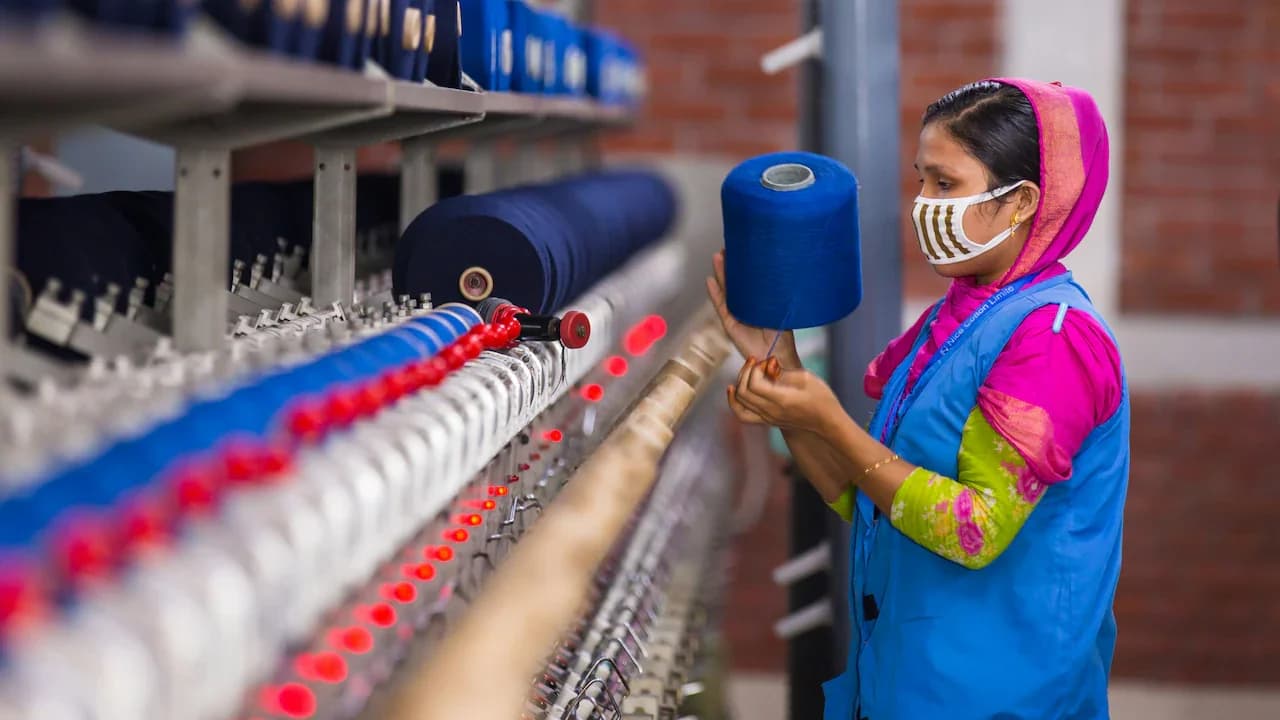
The ongoing protests are expected to create significant opportunities for Indian textile exporters, particularly in yarn and fabric segments. Bangladesh accounts for approximately 45% of India's total cotton yarn exports, with India's total exports to Bangladesh amounting to $10.58 billion in the 2025-26 fiscal year, where cotton yarn, fabrics, and handloom products contributed about $2 billion. As per PDS Limited's Group CEO Sanjay Jain, factory disruptions could affect yarn procurement and increase the risk of payment delays. Between November and February, Bangladeshi manufacturers secure approximately 40% of their annual export orders, and in the event of prolonged disruption, buyers might shift orders for the 2027 spring-summer season to other countries, creating substantial opportunities for Indian textile and apparel exporters.
Tiruppur, India's leading knitwear and apparel export hub, has reported a revival in business with manufacturers receiving increased orders from buyers in the US and the UK. The city, home to nearly 5,000 apparel export units, is currently operating at around 95% capacity, compared with 60-65% a few months ago, according to K M Subramanian, president of the Tiruppur Exporters Association. The development follows a period of subdued activity, with exporters attributing the improvement partly to global buyers exploring alternatives to Bangladesh. Tiruppur generated revenue of ₹35,000 crore in FY24, with the figure projected to rise to ₹40,000 crore in FY25, reflecting the improving outlook for the sector. However, Clifton Group's Chowdhury reports that a US buyer recently sought a three US cent reduction per piece on a knitwear order after Indian manufacturers offered lower prices, even as logistics costs rose 5% to 7% over the past year due to higher fuel, electricity, shipping and freight expenses.
Several American companies that earlier sourced garments from Bangladesh have approached Indian manufacturers, while exporters are also receiving orders for the upcoming spring season. British buyers, meanwhile, have begun seeking samples ahead of a possible India-UK free trade agreement. The timing could prove significant for India's textile and garment industry, which has already begun witnessing an improvement in export enquiries amid political uncertainty and supply-chain disruptions in Bangladesh. However, Clifton Group's Chowdhury warns that "costs are rising from all sides, but buyers are still pushing for lower prices," with margins often limited to 2% to 3% and factories having little room to absorb additional costs. The garment industry contributes about 10% of Bangladesh's GDP, with labour currently making up about 10% to 13% of industry costs.