Cotton Corporation of India (CCI) increased cotton prices by ₹300 per candy (356 kgs) on Friday, bringing the total price revision to ₹1,900 per candy since the beginning of March. According to reports from The Hindu BusinessLine, CCI chairman-cum-managing director Lalit Gupta attributed the upward revision to following global price trends. The company has sold 39 lakh bales of 170 kg each in March alone out of total procurement of 1.05 crore bales, indicating strong market demand.
The Indian rupee has continued its sharp weakness, falling another 0.80% to 94.70 against the dollar as of March 27, according to Jateen Trivedi, VP Research Analyst at LKP Securities. As reported by LKP Securities, rising crude prices are intensifying pressure on India's import bill, with the concern of higher crude prices for a prolonged period weighing heavily on the currency and overall macro outlook. Technically, 94.00 now acts as key resistance, while the next crucial support is seen near 95.00. The sustained dollar demand and energy-led inflation risks are keeping the rupee under stress.
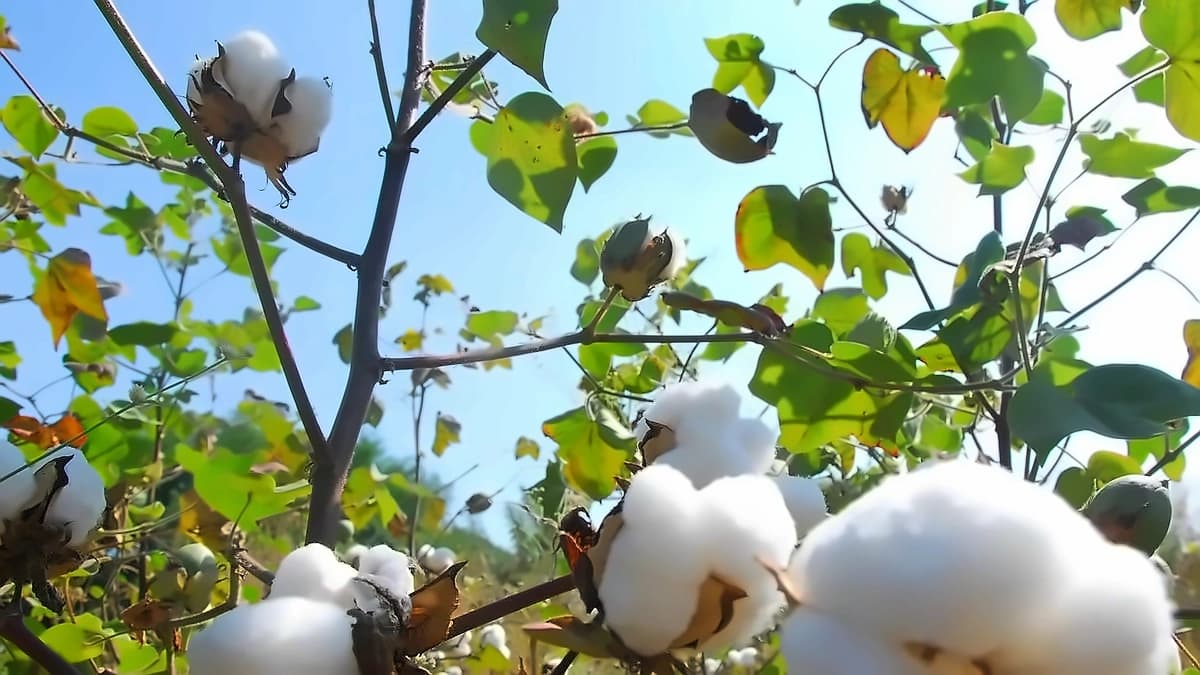
Cotton futures on the ICE market have gained over 14% since early March, with prices hovering above 69 cents per pound for May 2026 delivery and above 71 cents for July delivery. As reported by The Hindu BusinessLine, Atul Ganatra, former president of Cotton Association of India (CAI), noted that the combination of rupee depreciation and rising ICE futures is likely to push cotton prices higher for good quality varieties in coming days.
The weakening rupee against the dollar is making cotton imports expensive, according to Ramanju Das Boob, a sourcing agent in Raichur. According to The Hindu BusinessLine, he reported that demand is increasing as strong dollar and rising global prices are making imports expensive. The sourcing agent noted that there is good demand for cotton from not only mills but also multinational trading firms as they find Indian prices attractive at current levels due to rupee weakness.
Recent weeks have seen increased demand for Indian cotton yarn from countries including China, Bangladesh, and Vietnam amid global supply chain disruptions due to ongoing war. As reported by The Hindu BusinessLine, this international demand surge is contributing to the overall price strength in the domestic market. The disruption in global supply chains has made Indian cotton more attractive to international buyers seeking alternative sources.