


A consolidated view of market events, assembled from diverse sources.

Indian seafarers have faced significant security challenges with 16 fatalities, 34 injuries, and 5 missing crew members in the past eight months due to piracy and geopolitical tensions. The Directorate General of Maritime Administration's latest report covers attacks from March to November 2025, with 136 Indian vessels affected across major maritime routes including the Strait of Hormuz, Red Sea, and Black Sea regions.
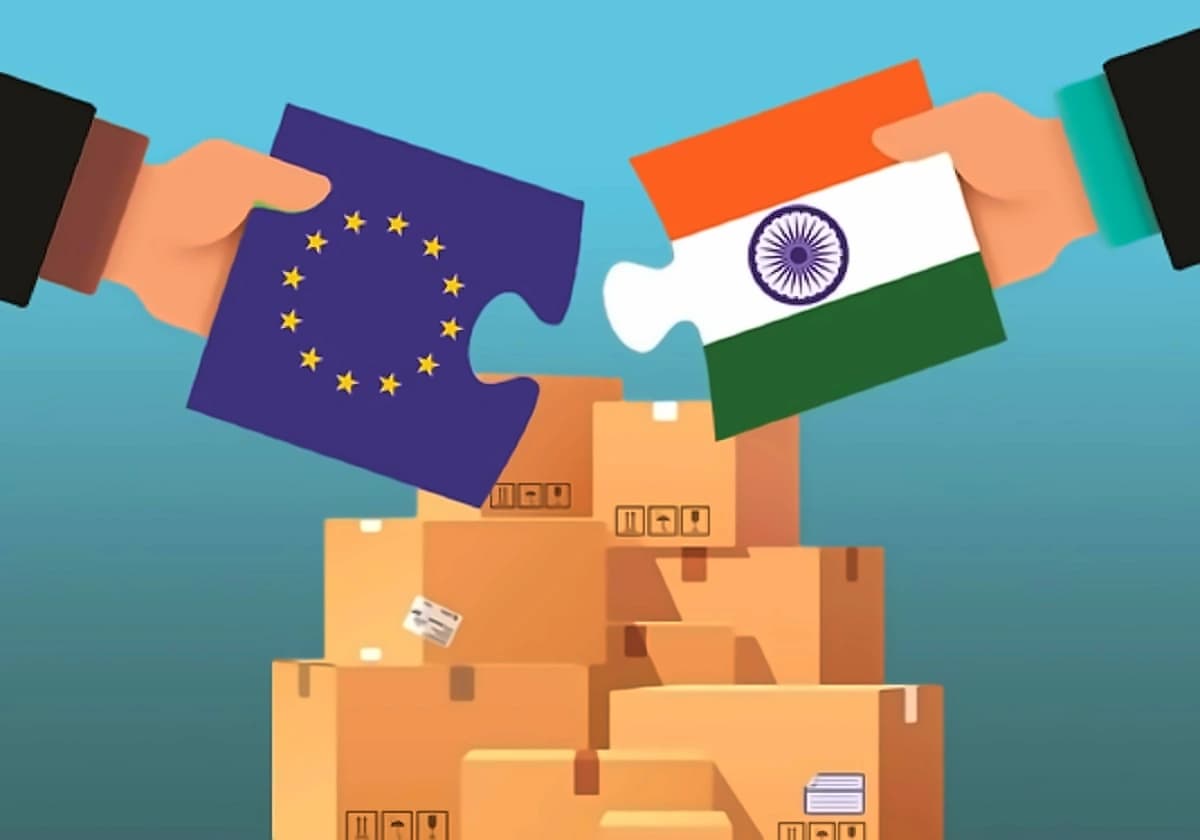
The India-European Union Free Trade Agreement is expected to be signed in December 2026 and could enter force by mid-2027, following successful negotiations concluded in January. The comprehensive deal will benefit 99.5% of Indian exports by trade value, particularly labour-intensive sectors like textiles and apparel, while reducing tariffs on nearly $33 billion worth of Indian exports to zero. However, Indian exporters face new EU regulations including carbon taxes, sustainability requirements, and digital product passports that could increase compliance costs despite the tariff benefits.

India's engineering exports surged 36% year-on-year to $12.74 billion in October 2026, driven by strong demand from the US market which grew 62% to $2.26 billion. The robust performance was supported by favorable base effects and increased shipments across metals, electrical machinery, and automobiles, with engineering goods maintaining their 27.1% share of total merchandise exports.

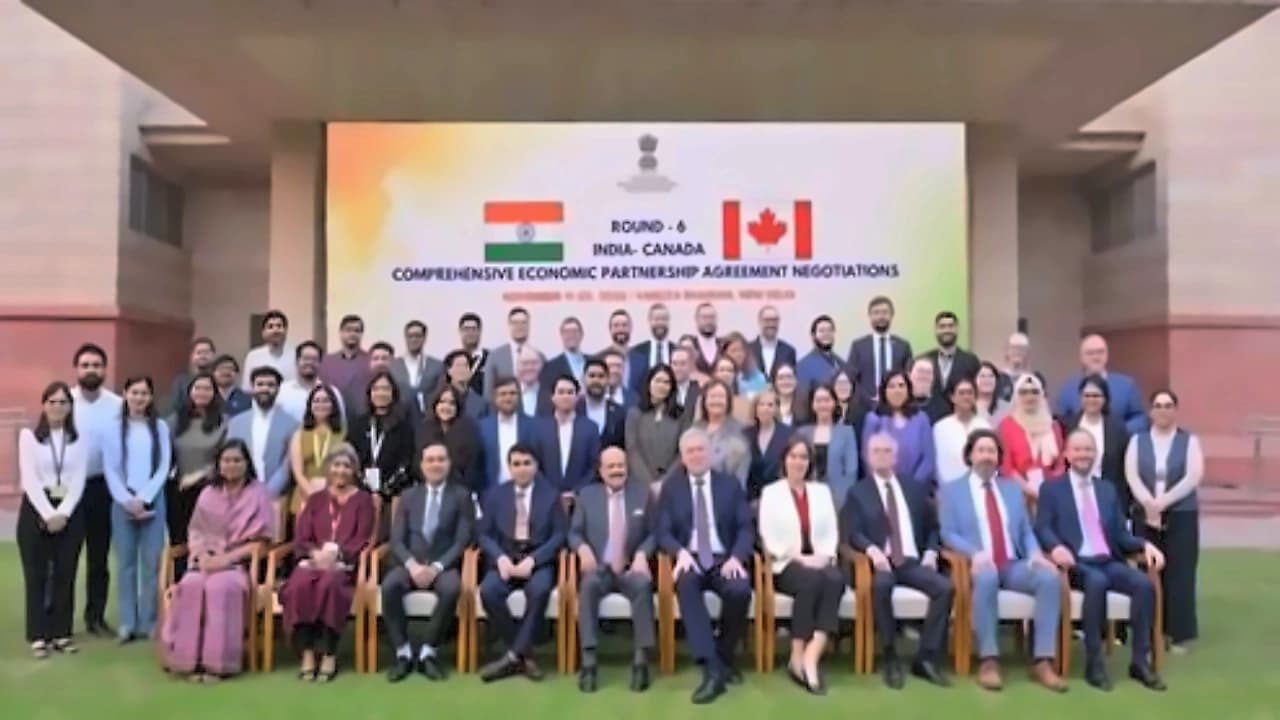
India and Canada successfully concluded the sixth round of CEPA negotiations in New Delhi from November 11-20, with both sides pushing for an ambitious and balanced trade agreement. The talks covered key areas including trade in goods and services, rules of origin, investment promotion, and intellectual property, with both countries emphasizing tangible benefits for farmers, industries, and MSMEs.


The EU-China car export quota deal represents a return to voluntary export restraints, similar to historical agreements like Japan's 1981 car cap, as the EU seeks to protect its automotive manufacturing sector while allowing continued Chinese vehicle access. The arrangement, capping Chinese hybrid exports at 350,000 vehicles annually with 6% annual increases, will have limited impact on China's overall $1 trillion surplus but may redirect Chinese exports to other markets.

Thailand's opposition is questioning the transparency of the government's trade negotiations with the US after President Trump announced major tariff concessions on November 17, including elimination of tariffs on American exports and removal of trade barriers worth billions of dollars. While the joint statement confirmed substantial agreement on an Agreement on Reciprocal Trade, the opposition argues insufficient details were disclosed, with final terms requiring legal approval before implementation.

The European Union's Deforestation Regulation (EUDR) covers €2.67 billion in Indian goods across seven commodities, with implementation deadlines of December 30, 2026 for large operators and June 30, 2027 for micro and small businesses. Indian exporters must verify product scope, collect supplier information, conduct risk assessments, and prepare documentation to comply with EU deforestation-free requirements using December 31, 2020 as the cut-off date.

India's exports grew 16.6% during April-September 2026, positioning the country to achieve its $1 trillion annual export target for FY27, with October 2026 recording the highest monthly export figure of $90 billion. Commerce Minister Piyush Goyal highlighted India's strong economic fundamentals, including 7.8% GDP growth in Q2 2026 and 20% growth in foreign direct investment, while announcing new bilateral trade agreements with Italy and expanding partnerships with the US, UK, and EU.

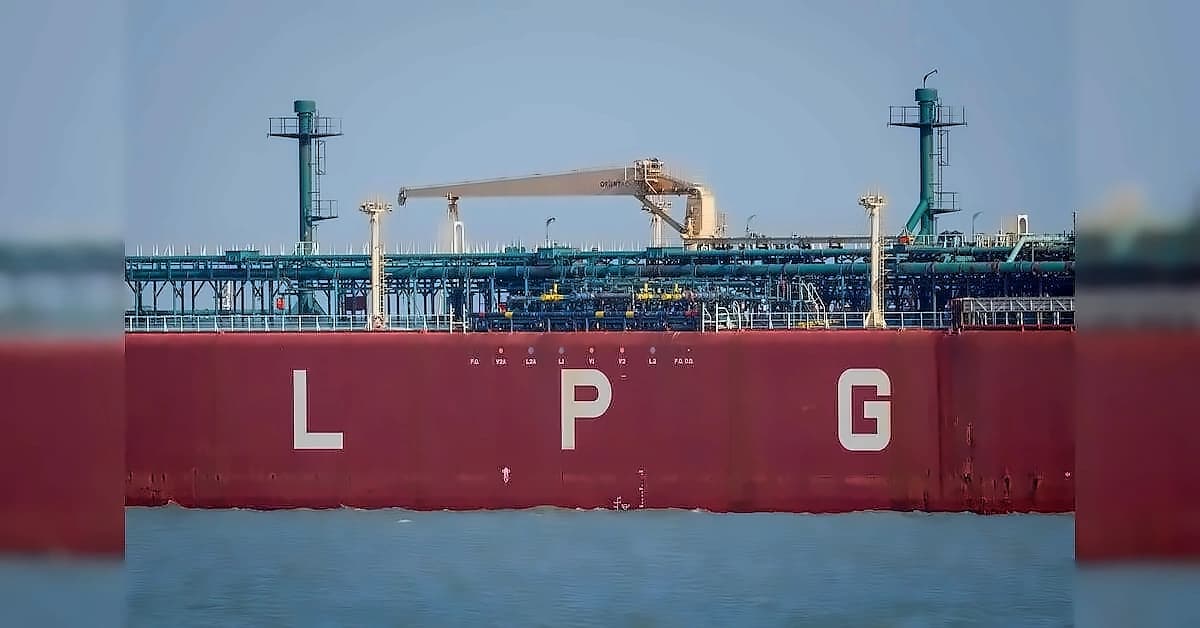
India's state-run oil companies have awarded contracts to four global firms for 2.75 million metric tons of US LPG imports in 2027, marking a significant shift from the country's traditional Middle Eastern supply sources. The contracts will be distributed among Saudi Aramco, Chevron, TotalEnergies, and Vitol, with India targeting to source up to 25% of its LPG imports from the US to reduce trade surplus with Washington.

The European Commission has imposed anti-dumping duties ranging from 3% to 27.9% on cold-rolled steel imports from India, Japan, Taiwan, Türkiye, and Vietnam, with India facing a 9.5% duty. The Indian Steel Association has criticized the decision, arguing the Commission's assessment of Indian production costs is unfair and treats India as a non-market economy, while Tata Steel shares fell 1.84% following the announcement.