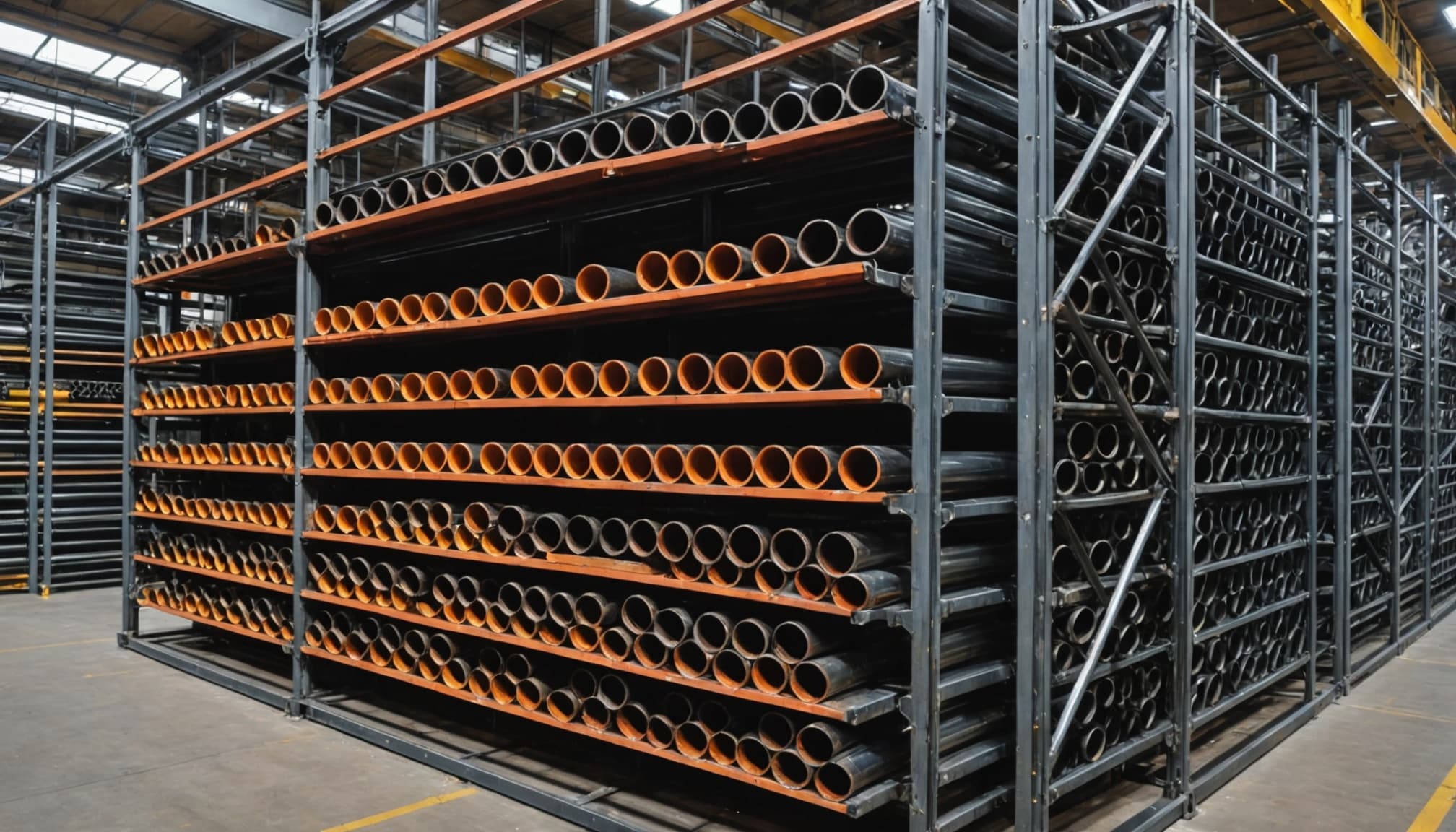
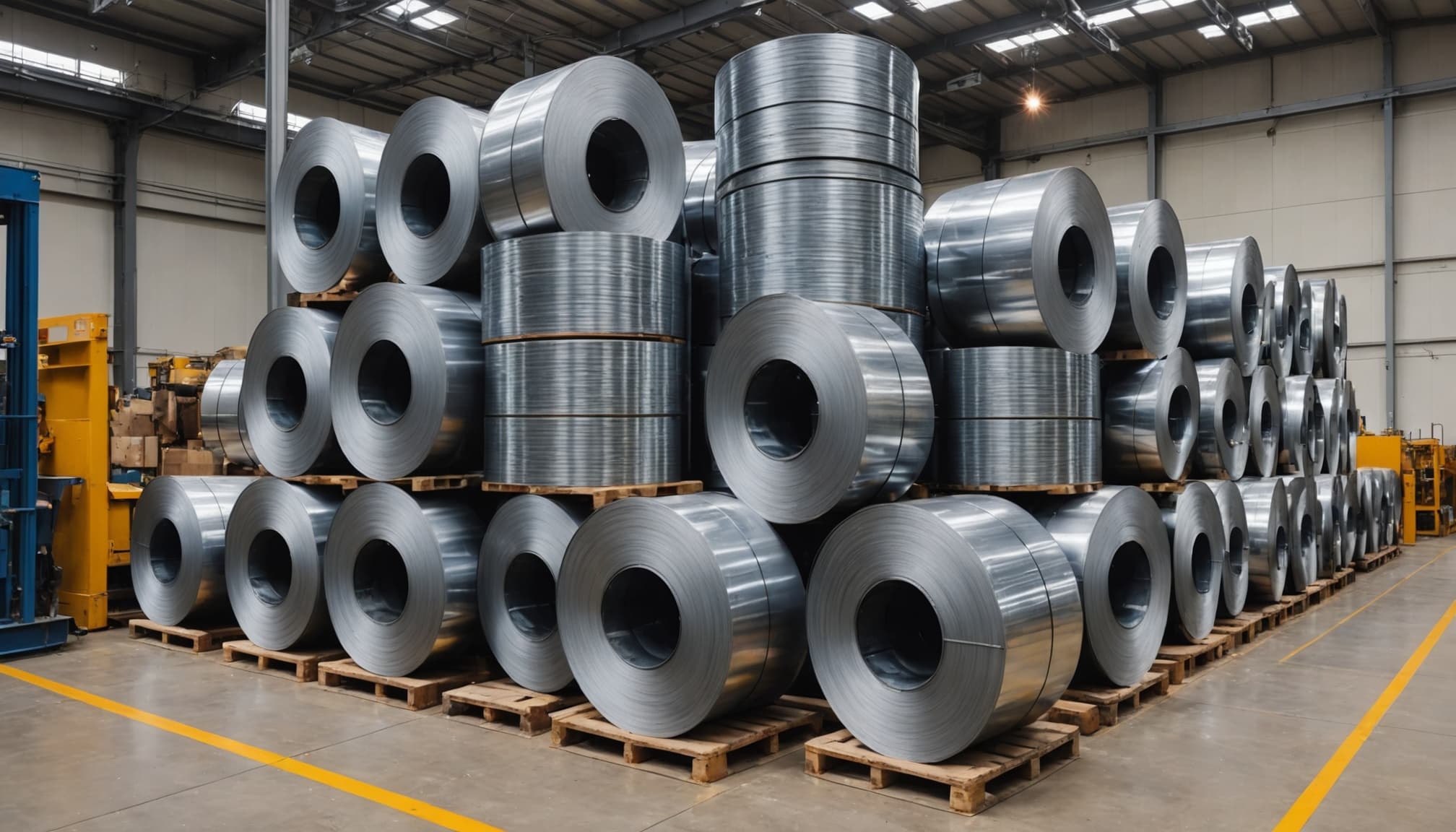
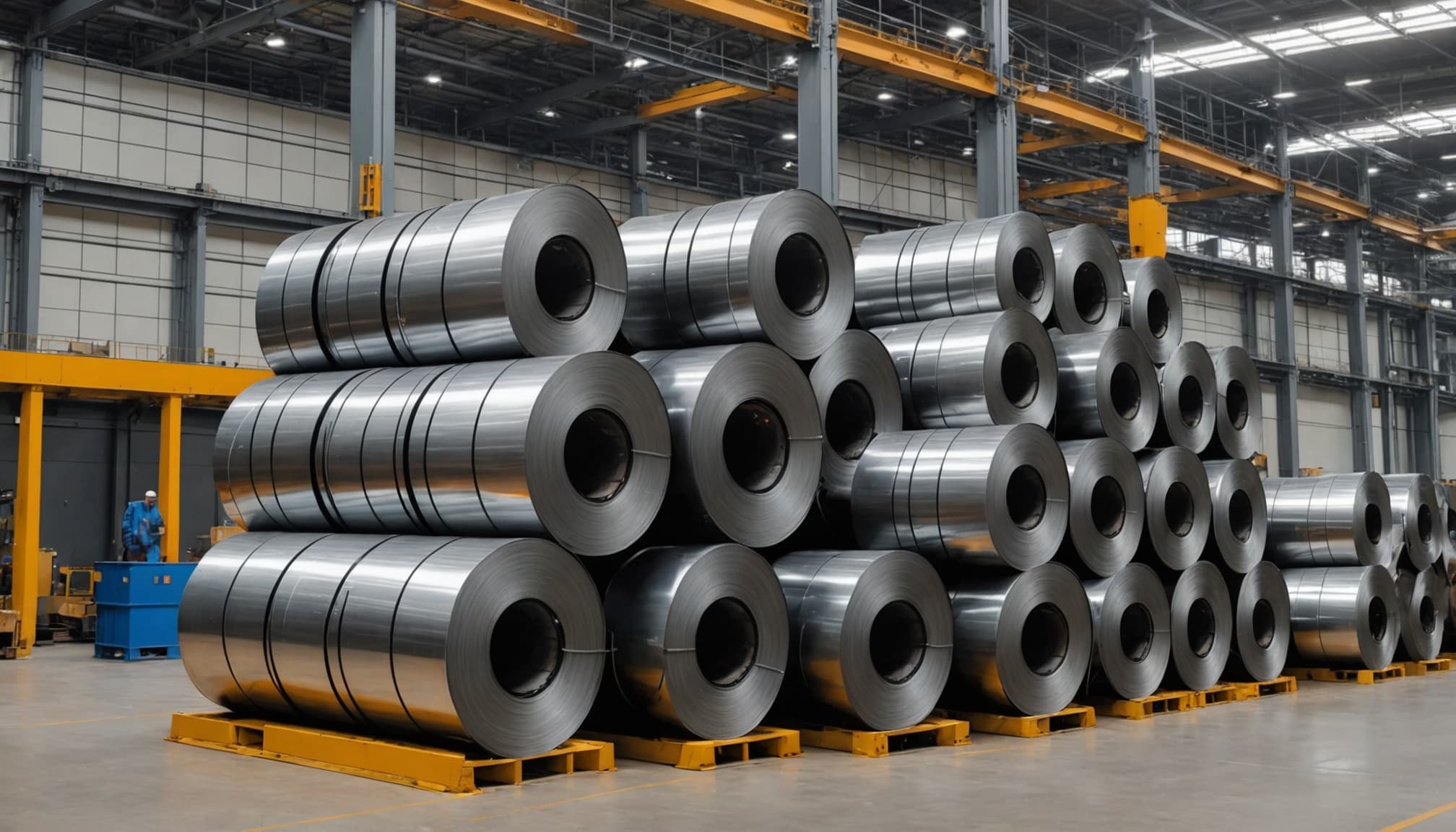
The European Commission has officially imposed anti-dumping duties on cold-rolled steel imports from India and four other countries, with the duties coming into effect today (Tuesday). According to Business Standard, the definitive anti-dumping duties range from 3% to 27.9%, with India facing a 9.5% duty, while Japan has been hit with the highest rate of 27.9%. The duties on Taiwan range from 20.7% to 27%, those on Türkiye from 3% to 7.8%, and Vietnam faces a 16% duty. The investigation found that certain cold-rolled flat steel products from five countries were being sold in the EU at prices below their normal value, a practice known as dumping. The Commission considers this investigation to be of systemic importance for trade defence, beyond the products and industry sectors it concerns.
The Indian Steel Association has criticised the European Commission's decision to impose anti-dumping duties on cold-rolled steel imports, calling its assessment of Indian production costs unfair. As reported by The Economic Times, Alok Sahay, secretary general of the Indian Steel Association, stated that the use of 'particular market situation' as a tool against India is essentially treating the country on par with a non-market economy. The association, which comprises major public and private sector steel companies with executive members including JSW Steel, Tata Steel, Steel Authority of India Ltd, ArcelorMittal Nippon Steel India and Jindal Steel, argues that the Commission constructed a normal value that is not based on the companies' actual costs either in a bid to inflate the margin. The European Commission cited distortions in raw material costs in India but the treatment that followed appears unfair, according to the industry body.
Tata Steel shares fell 1.84% to ₹177.57 on the National Stock Exchange by mid-session on Friday, November 20, 2026, following the European Commission's announcement of the 9.5% anti-dumping duty on Indian cold-rolled flat steel products. According to The Hindu BusinessLine, the stock faces significant resistance after bouncing from a 52-week low of ₹160.06 in December 2025 and briefly reclaiming ₹190 in early November before sellers pushed it back below key moving averages. The RSI at 44.57 signals renewed bearish momentum, with the stock's 52-week high standing at ₹224.40 hit in May 2026. Trading volume stood at approximately 3.2 crore shares by midday, with 53% of orders on the buy side against 47% on the sell side. The development compounds headwinds already visible in the company's second-quarter results for FY2027, where the UK business continued to report EBITDA losses and Netherlands operations remained under regulatory scrutiny.
The Commission established particular market situations in India and Taiwan, citing specific domestic factors affecting pricing. As reported by Business Standard, in India's case, the Commission found that government measures had affected domestic iron ore prices. Iron ore is a key raw material used in the production of cold-rolled flat steel, making these government interventions significant for pricing assessments. For Taiwan, the Commission cited the impact of Chinese overcapacity, stating that increased imports of cold-rolled flat steel from China had put downward pressure on domestic prices and weakened profitability for Taiwanese producers. The Commission made adjustments to domestic steel sales prices in both countries due to these distorted market conditions.
According to the EU statement reported by Business Standard, the Commission's investigation revealed that imports from the five countries were valued at €1.775 billion. Taiwan accounted for €345 million, followed by India at €282 million, Türkiye at €240 million, Japan at €180 million, and Vietnam at €125 million. The EU market for cold-rolled flat steel products is valued at around €23.2 billion, with imports from the five countries accounting for about €1.775 billion. The duties are intended to protect the EU's domestic steel industry from trade-distorting practices, with the products widely used for cars, planes, home appliances and construction. The EU market for cold-rolled flat steel products is estimated to be worth around €23.2 billion, with domestic production spread across 12 EU countries and supporting more than 8,600 jobs.

The European Commission said it had taken corrective measures and that the investigation revealed the full extent of dumping in the EU market. As reported by Reuters, the investigation is the first in which the Commission has established what it calls 'particular market situations' in two of the countries involved. Under EU anti-dumping rules, the Commission can construct a product's normal value instead of relying on domestic selling prices when it finds that market conditions do not allow a proper comparison between domestic and export prices. The Commission noted that the findings could have wider implications for the EU's trade defence measures, indicating potential future applications of similar investigative approaches. The new methodology allows the EU to use similar approaches on a more ad hoc basis for countries with distorted market situations.