The Jammu-Srinagar Vande Bharat Express achieved a historic milestone on Thursday by successfully crossing the Chenab Rail Bridge at 100 kmph for the first time. The speed test was conducted on October 2 after the maximum permissible speed on the 111-km Shri Mata Vaishno Devi Katra-Banihal section was raised from 75 kmph to 100 kmph. According to latest reports, Vande Bharat Express trains 26401/26404 successfully crossed both the Chenab Bridge and Anji Bridge at the enhanced speed, marking a significant advancement in railway connectivity between the Jammu region and Kashmir Valley.
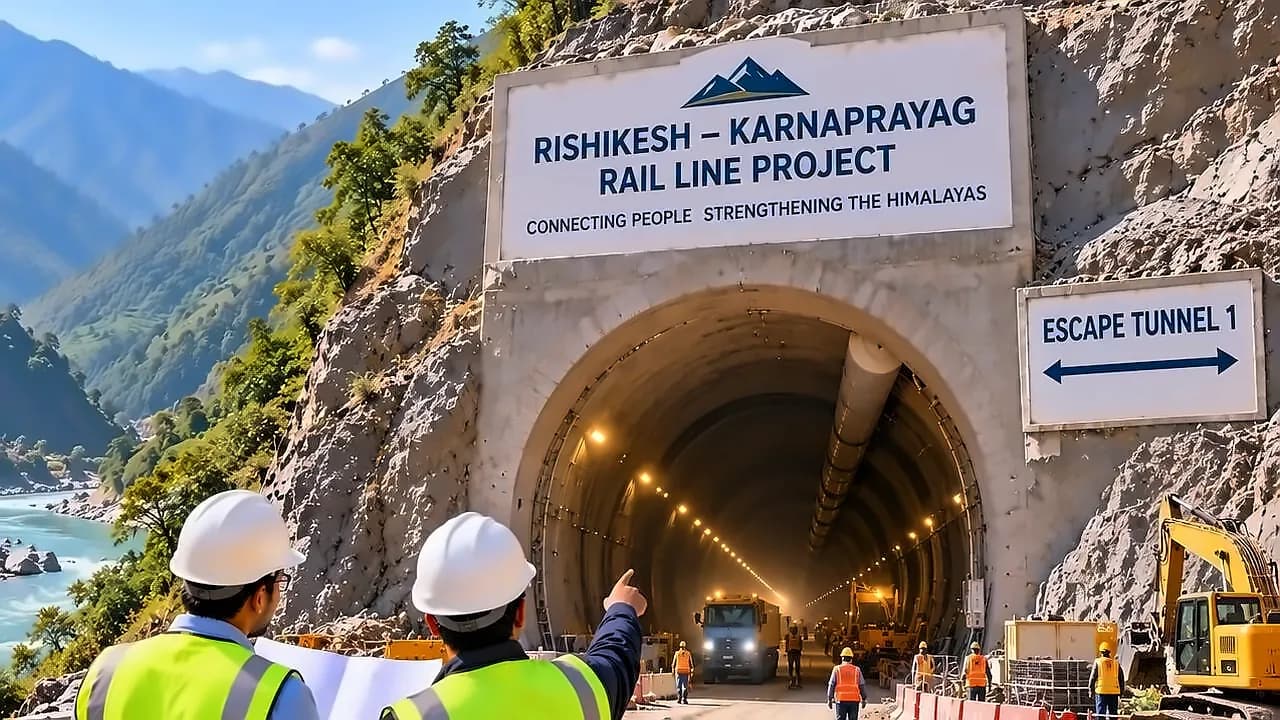
The Udhampur-Srinagar-Baramulla Rail Link (USBRL) project represents one of the most important railway projects undertaken in independent India, spanning 272 kilometres and built at a cost of ₹43,780 crore. As reported by The Times of India, the network comprises 36 tunnels with a combined length of 119 kilometres, along with 943 bridges built to connect mountain passes, ridges and valleys. The project brings previously isolated parts of Kashmir onto the Indian Railways network, opening up better connectivity and supporting trade and tourism across Jammu and Kashmir.
The project features two major engineering marvels that have now been successfully tested at higher speeds. The Chenab Rail Bridge stands 359 metres above the riverbed, making it the world's highest railway arch bridge and 35 metres taller than the Eiffel Tower. Built to withstand difficult terrain and extreme weather, the Chenab Bridge can endure wind speeds of up to 260 kilometres per hour with an anticipated service life of 120 years. The Anji Khad Bridge, India's first cable-stayed railway bridge, measures 725 metres in length and stands 331 metres above the riverbed, with support from 96 high-tensile cables and 653 km of cable strands used in construction. The Anji Bridge spans the deep Anji River valley, south of the Chenab, connecting the Katra-Banihal section.
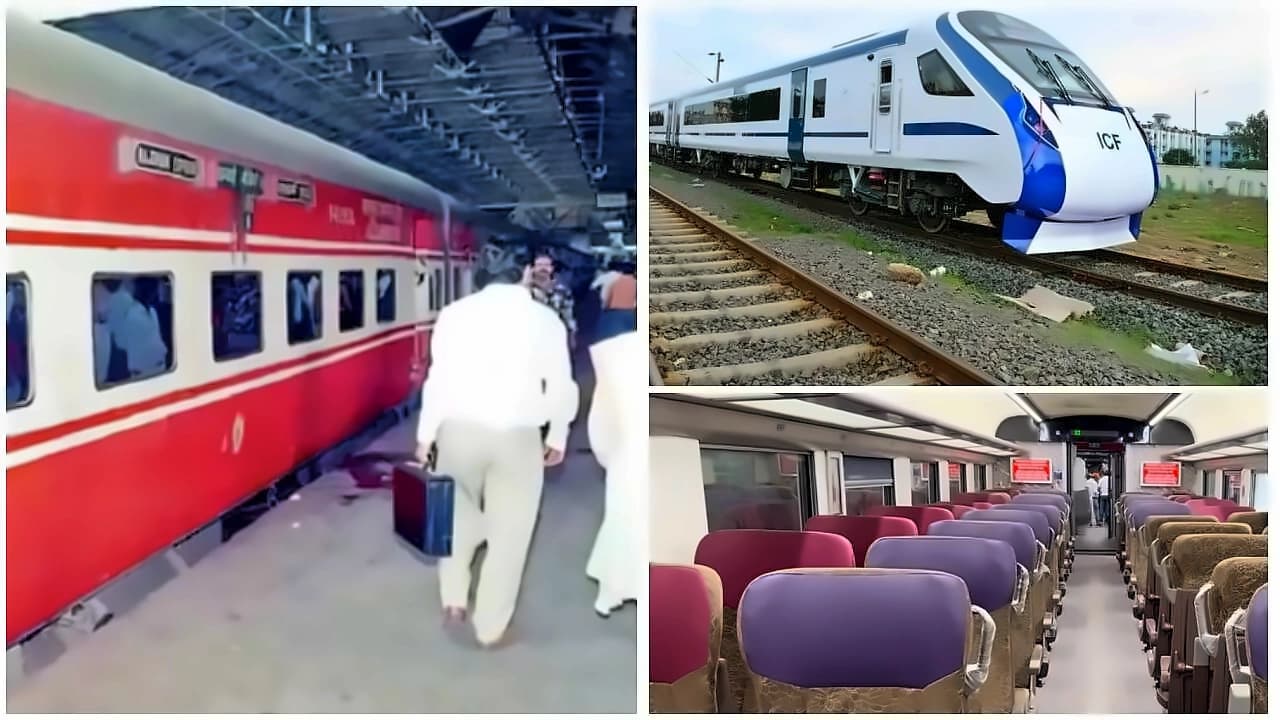
A specially configured Vande Bharat Express service has been introduced between Katra and Srinagar to make the new rail connection more effective. According to The Times of India, these trains have been modified to function in the harsh winter conditions of the Himalayan region, with features such as heated windshields, advanced heating systems and insulated toilet facilities. The trains can continue operating even when the mercury falls to minus 20 degrees Celsius, with seismic dampers installed to minimise vibrations and improve passenger safety while trains pass through this earthquake-prone area. Currently, two pairs of Vande Bharat services operate on the 266-km corridor, with the service initially introduced with eight coaches but expanded to 20 coaches due to high passenger demand. The trains, developed by Chennai-based Integral Coach Factory, are designed to operate in temperatures as low as minus 20 degrees Celsius.