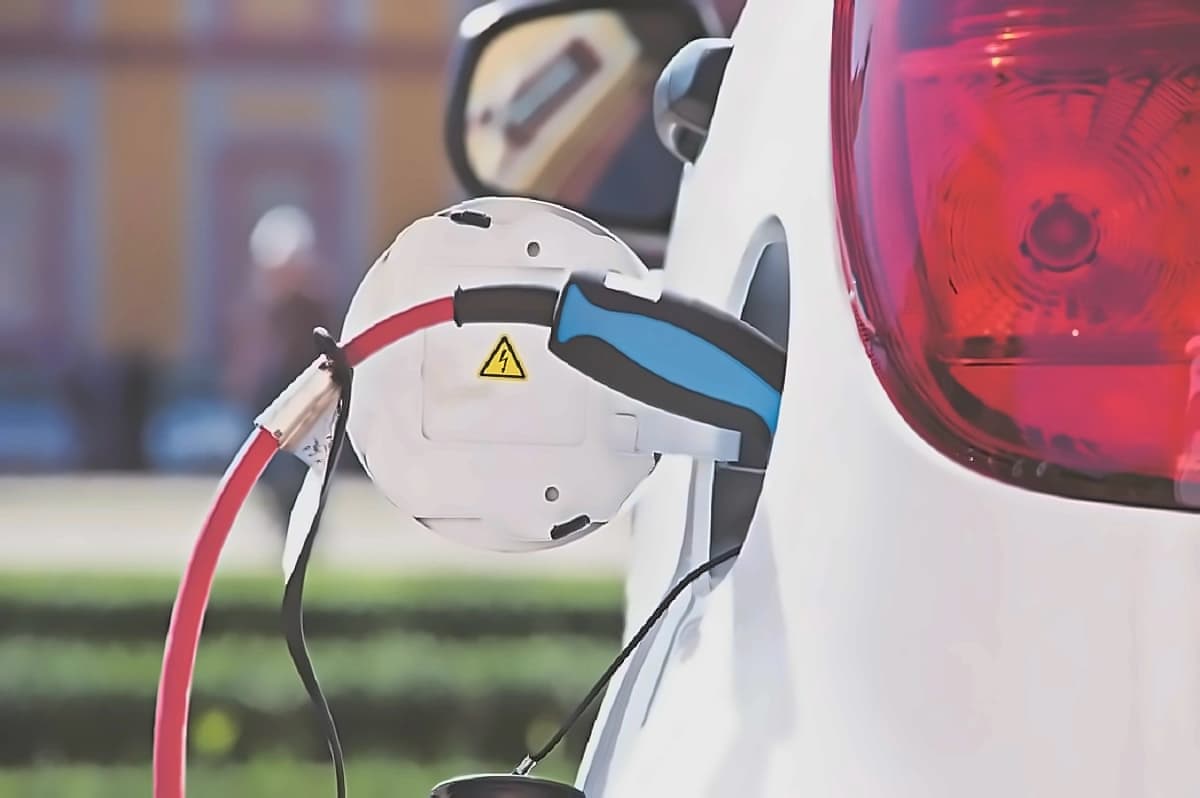
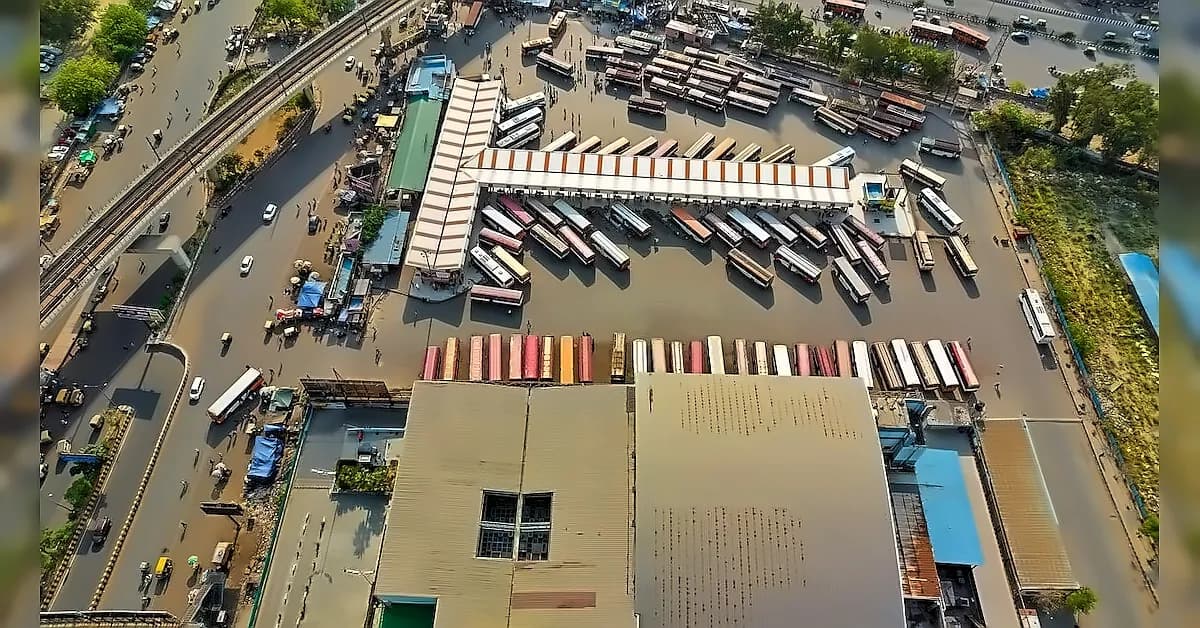
The Uttar Pradesh government has approved the deployment of 1,725 air-conditioned electric buses across 18 major cities under the gross cost contract (GCC) model. According to reports from The Times of India, the state Cabinet, chaired by Chief Minister Yogi Adityanath on Friday, approved this initiative as part of efforts to strengthen urban transport infrastructure. The buses will operate in Agra, Aligarh, Ayodhya, Bareilly, Firozabad, Ghaziabad, Gorakhpur, Jhansi, Kanpur, Lucknow, Mathura-Vrindavan, Meerut, Moradabad, Prayagraj, Shahjahanpur, Saharanpur, Varanasi and Noida, including Jewar.
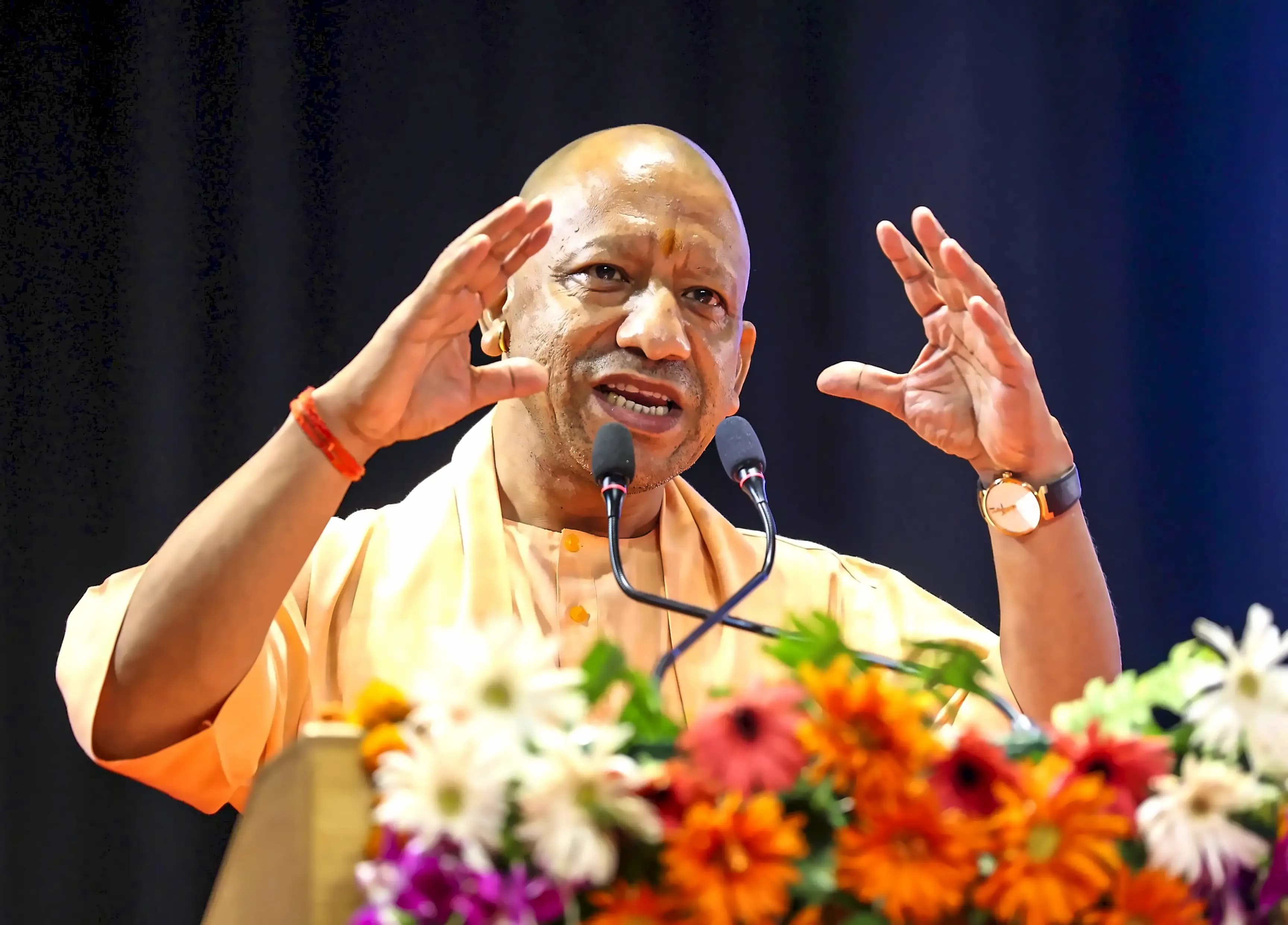
The electric bus fleet will comprise nine-metre and 12-metre air-conditioned electric buses with a 12-year contract period from the start of commercial operations. As reported by The Times of India, Lucknow and Kanpur will receive 300 buses each, while Varanasi will get 250 buses. Gorakhpur will receive 150 buses, and Agra, Ghaziabad, Meerut and Noida, including Jewar, will get 100 each. Mathura-Vrindavan, Ayodhya and Prayagraj will receive 50 buses each, while Aligarh, Firozabad, Shahjahanpur, Bareilly, Moradabad, Saharanpur and Jhansi will get 25 each.
Under the GCC model, private operators will be responsible for procuring the buses, providing chargers, deploying drivers and technical personnel, and operating and maintaining the fleet. According to The Times of India, the government has decided to provide a subsidy of ₹40 lakh for each 12-metre electric bus and ₹35 lakh for each nine-metre bus. Municipal corporations concerned and the Noida Authority will provide land free of cost for the construction of bus depots. Operators will be paid operation and maintenance fees based on prescribed performance standards, while fares will be determined by the government.
Urban Development Minister Arvind Kumar Sharma stated that private investment would reduce the government's expenditure burden on bus operations while improving service quality. As reported by The Times of India, operators will be selected through a tendering process, with competition among private operators expected to encourage adoption of newer technology and improvements in services. The move is expected to support industries involved in bus manufacturing and supply in the state and create new employment opportunities locally.