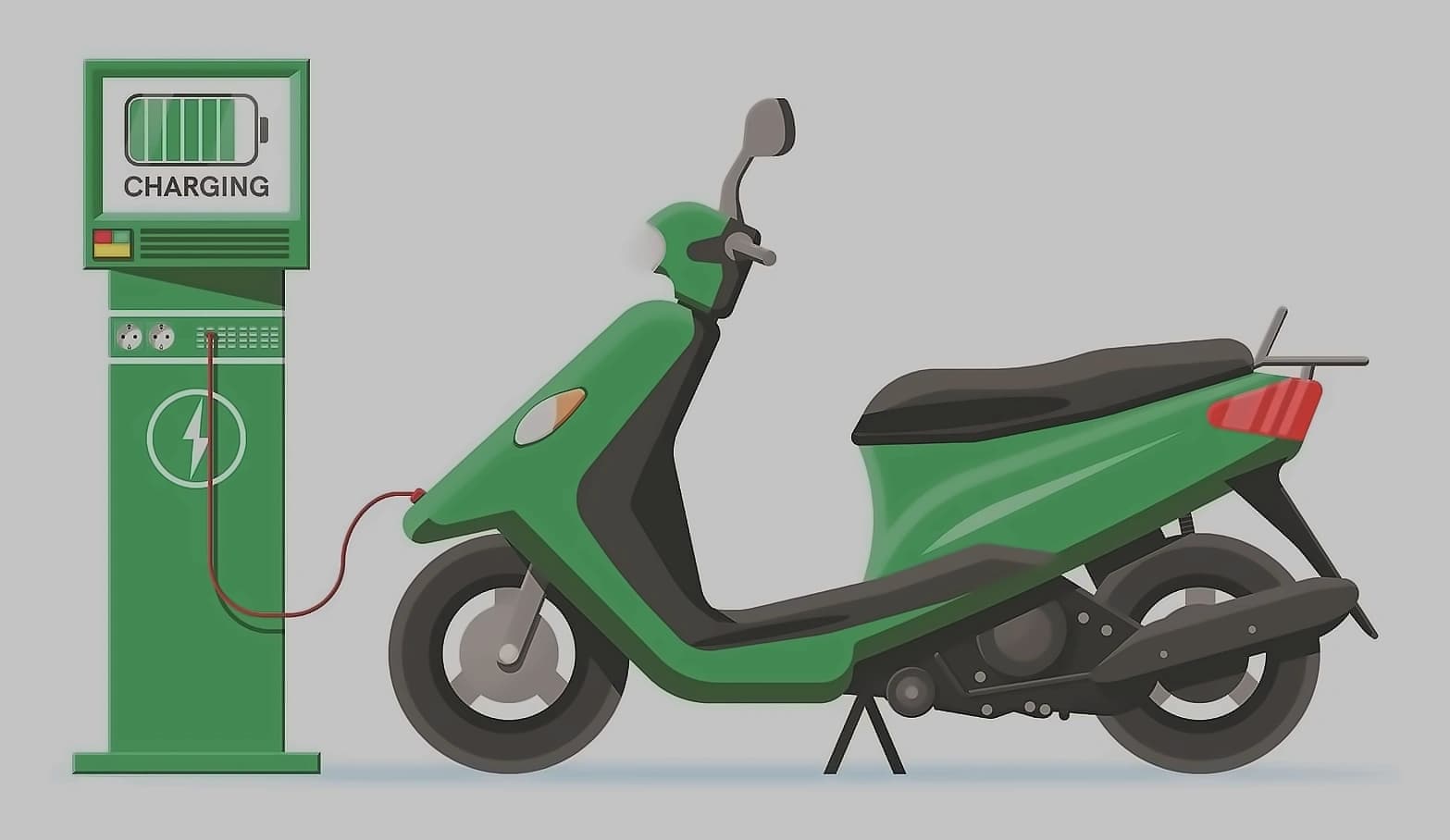
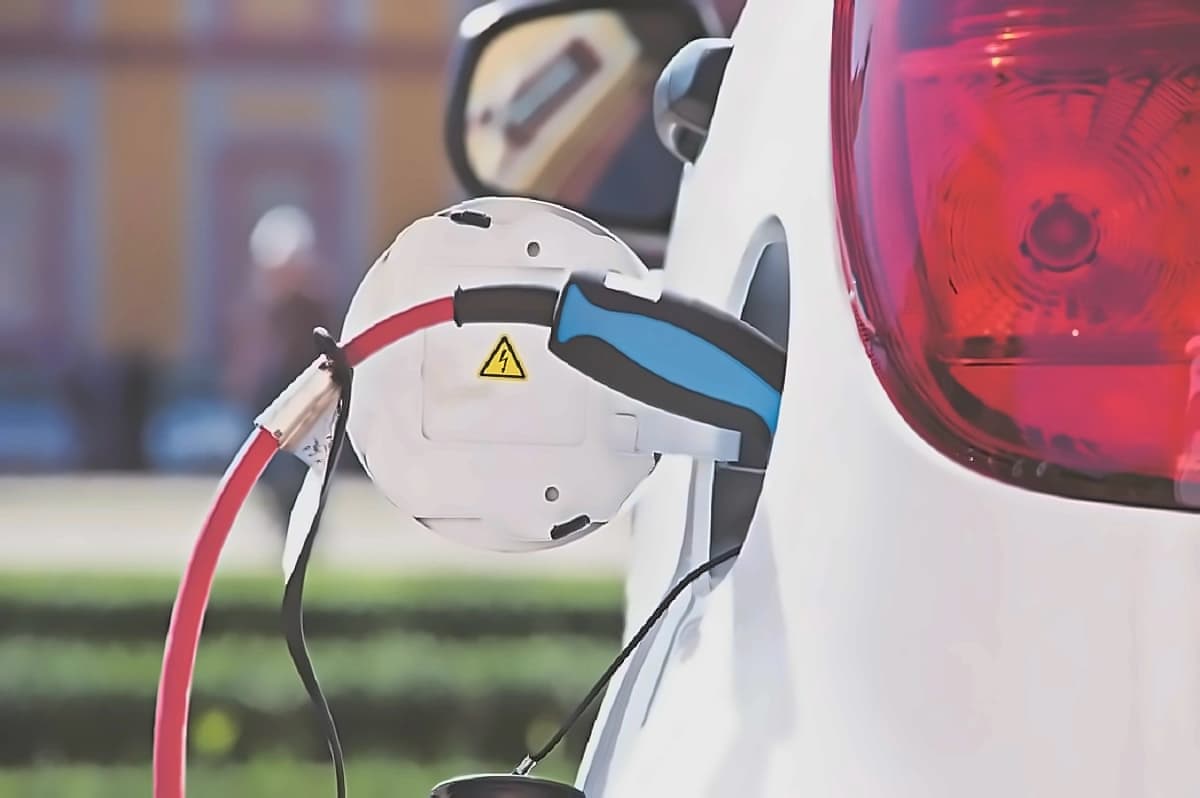
The Uttar Pradesh government is targeting a five-fold increase in electric vehicle charging infrastructure across the state. According to reports from The Times of India, the state currently operates 238 EV charging facilities primarily located around major highways, expressways and industrial corridors. The energy department is now planning to add 1,000 new EV charging points to support the growing electric vehicle adoption in the state. This expansion comes as part of a broader global trend where energy security concerns are driving countries toward renewable energy solutions, with the US/Israel-Iran war putting energy security and supply diversification policies at the forefront in Asian countries that are highly dependent on energy imports.
Under the UP Electric Vehicle Manufacturing and Mobility Policy 2022, the state government provides capital subsidies to EV charging service providers. As reported by The Times of India, for an investment of ₹25 lakh in an EV charging station, the state offers a 20% capital subsidy, subject to a maximum of ₹10 lakh per unit for the first 2,000 charging stations. This policy framework is designed to accelerate the expansion of charging infrastructure across the state, supporting the growing adoption of electric vehicles in the region. The policy aligns with global trends where countries are prioritizing electric mobility to reduce energy imports and improve energy security.
UP has emerged as a leader in electric vehicle registration across different vehicle categories, with 1.77 million EVs registered in the state. According to reports from The Times of India, the increasing adoption of e-rickshaws, electric two-wheelers, electric four-wheelers, and other electric vehicles is helping reduce dependence on fossil fuels. The growing charging infrastructure is enabling EV users to access charging facilities during long-distance travel, thereby boosting public confidence in electric vehicles. This leadership position aligns with global trends where countries are prioritizing electric mobility to reduce energy imports and improve energy security.
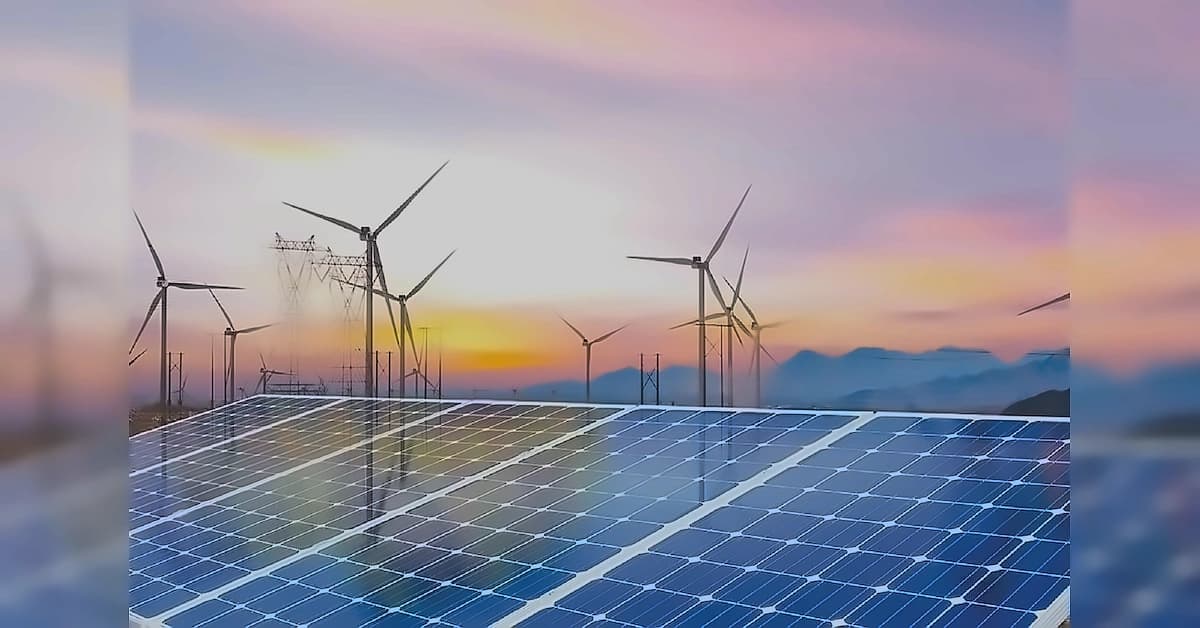
UP maintains a significant renewable energy portfolio with an installed capacity of 8,906 MW, including 6,024 MW of solar power. As reported by The Times of India, UP Energy Minister A K Sharma emphasized that the state is playing a leading role in India's clean energy transition by accelerating renewable energy development and creating a conducive ecosystem for investment and innovation. The state's progressive policy framework spans solar, bioenergy, green hydrogen and electric mobility sectors, positioning it well within the global renewable energy transition. India's Ministry of New and Renewable Energy is also increasing investment in energy storage to enable greater integration of renewable sources into the electricity system, with the ministry estimating that India's energy storage requirement will reach 411.4 gigawatt-hours by 2032.