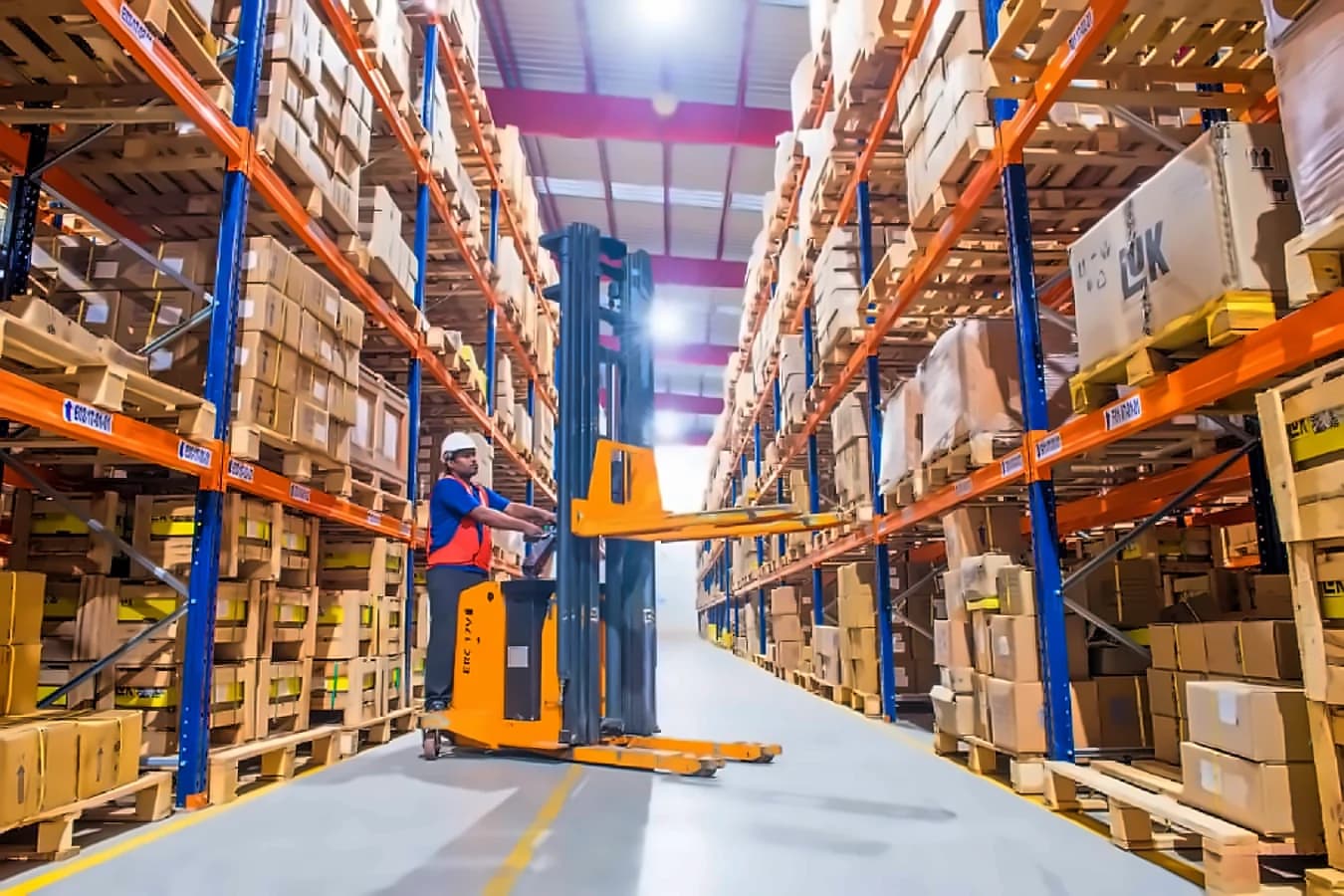
The Plug and Play Industrial Shed Policy (DBFOT Model), 2026 was officially launched on March 24, 2026 by the Infrastructure and Industrial Development Department, Uttar Pradesh. According to the policy document, the scheme operates under the Design, Build, Finance, Operate and Transfer (DBFOT) model, with participating Industrial Development Authorities serving as implementing bodies. The policy specifically targets micro, small and medium enterprises and light-to-medium manufacturing units, with a minimum project land requirement of 10 acres and a preferred pilot size of 15-20 acres.
The policy introduces a concession period of 45 years, extendable by up to 15 years, with no state financial support including subsidies, annuities, viability-gap funding, or government guarantees. As reported in the policy document, upfront land premium payments range from 5-10% of prevailing industrial land value, while fixed annual concession fees are typically at least 2% of land value with escalation provisions. Revenue sharing is determined through competitive bidding, with performance security indicatively set at 5% of total project cost. The policy requires developers to complete about 50% of planned built-up area within 2-3 years and entire committed built-up area within 3-5 years.
The policy covers comprehensive industrial infrastructure including power and water connections, internal roads, drainage, waste-management systems, digital connectivity, fire-safety systems, and common industrial facilities. According to the policy framework, developers are responsible for designing and constructing modular industrial sheds, arranging project finance, developing internal infrastructure, operating and maintaining projects, and marketing units to eligible enterprises. The current implementation status shows a pilot project identified at Bara Bachhpera in Raebareli, specifically targeting an automobile cluster development.
The policy encompasses light engineering and fabrication, electrical and electronics manufacturing, electric-vehicle components and automobile ancillaries, textiles, garments and apparel finishing, food processing and agriculture-based industries, plastics, packaging and consumer goods, defence and aerospace manufacturing, and electronics system design and manufacturing. As reported in the policy document, the initiative aims to reduce initial manufacturing unit costs, shorten production start timelines, convert vacant public industrial land into productive facilities, and improve access to factory infrastructure for eligible enterprises.
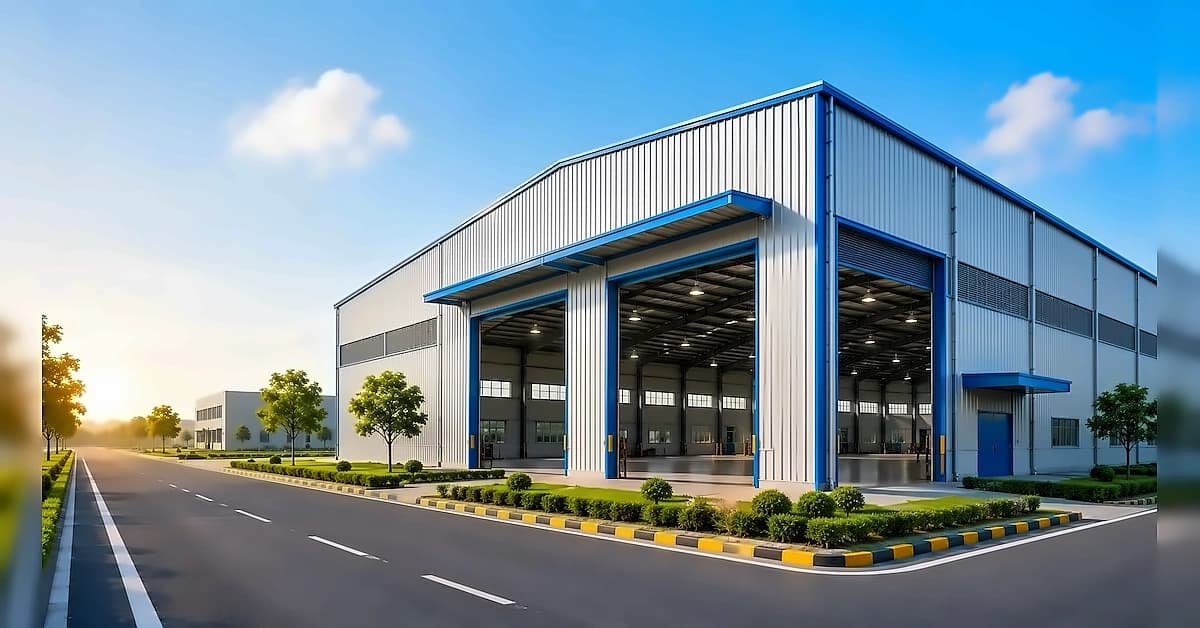
The policy implementation follows a structured process where authorities identify suitable land parcels, conduct feasibility assessments, prepare bid and concession documents, select private developers through competitive bidding, sign concession agreements, achieve financial closure, construct sheds and infrastructure in phases, and market completed units to eligible industrial enterprises. According to the policy framework, key challenges include dependence on project viability with developers bearing financing and occupancy risks, rental affordability concerns, project-level variations in conditions and terms, and construction timetables requiring 2-5 years for phased development despite ready-shed advantages. The policy represents Uttar Pradesh's strategy to facilitate industrial development across districts, including relatively less-developed regions while creating recurring revenue for Industrial Development Authorities without direct state budgetary support.